
A patient with a history of heart failure is prescribed a medication that increases urine output to reduce fluid buildup.
Which of the following statements best describes the mechanism of action of the prescribed medication?
Inhibits the renin-angiotensin-aldosterone system.
Blocks beta receptors.
Increases sodium and water reabsorption.
Enhances glomerular filtration rate.
Correct Answer : D
The correct answer is choice D - Enhances glomerular filtration rate.
The medication prescribed to the patient is a diuretic, which removes water and electrolytes from the body by increasing urination 1.
This helps reduce fluid buildup in the body.
Choice A, Inhibits the renin-angiotensin-aldosterone system, is not the correct answer because it describes a different mechanism of action.
Choice B, Blocks beta receptors, is not the correct answer because it describes a different mechanism of action.
Choice C, Increases sodium and water reabsorption, is not the correct answer because it would have the opposite effect of reducing fluid buildup.
TEAS 7 Exam Quiz Bank
HESI A2 Exam Quiz Bank
Find More Questions 📚
Teas 7 Questions: We got the latest updated TEAS 7 questions
100% Money Refund: 100% money back guarantee if you take our full
assessment pass with 80% and fail the actual exam.
Live Tutoring: Fully customized live tutoring lessons.
Guaranteed A Grade: All students who use our services pass with 90%
guarantee.
Related Questions
Correct Answer is B
Explanation
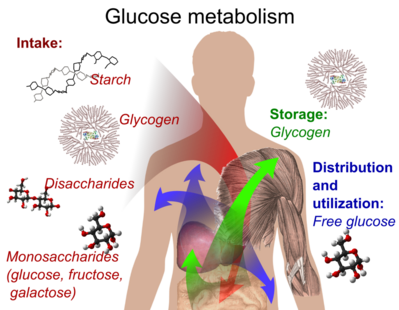
Glycogen is the storage form of glucose in the human body.
It is a polysaccharide that is stored primarily in the liver and muscle tissue and can be broken down into glucose when the body needs energy.
 |
Choice A is incorrect because starch is a storage form of glucose in plants, not in the human body.
Choice C is incorrect because fructose is a simple sugar, not a storage form of glucose.
Choice D is incorrect because cellulose is a structural carbohydrate found in plant cell walls, not a storage form of glucose in the human body.
Correct Answer is A
Explanation
A control group is used in scientific studies to establish causality by isolating the effect of an independent variable.
The control group serves as a baseline or comparison group that does not receive the treatment or intervention being tested.
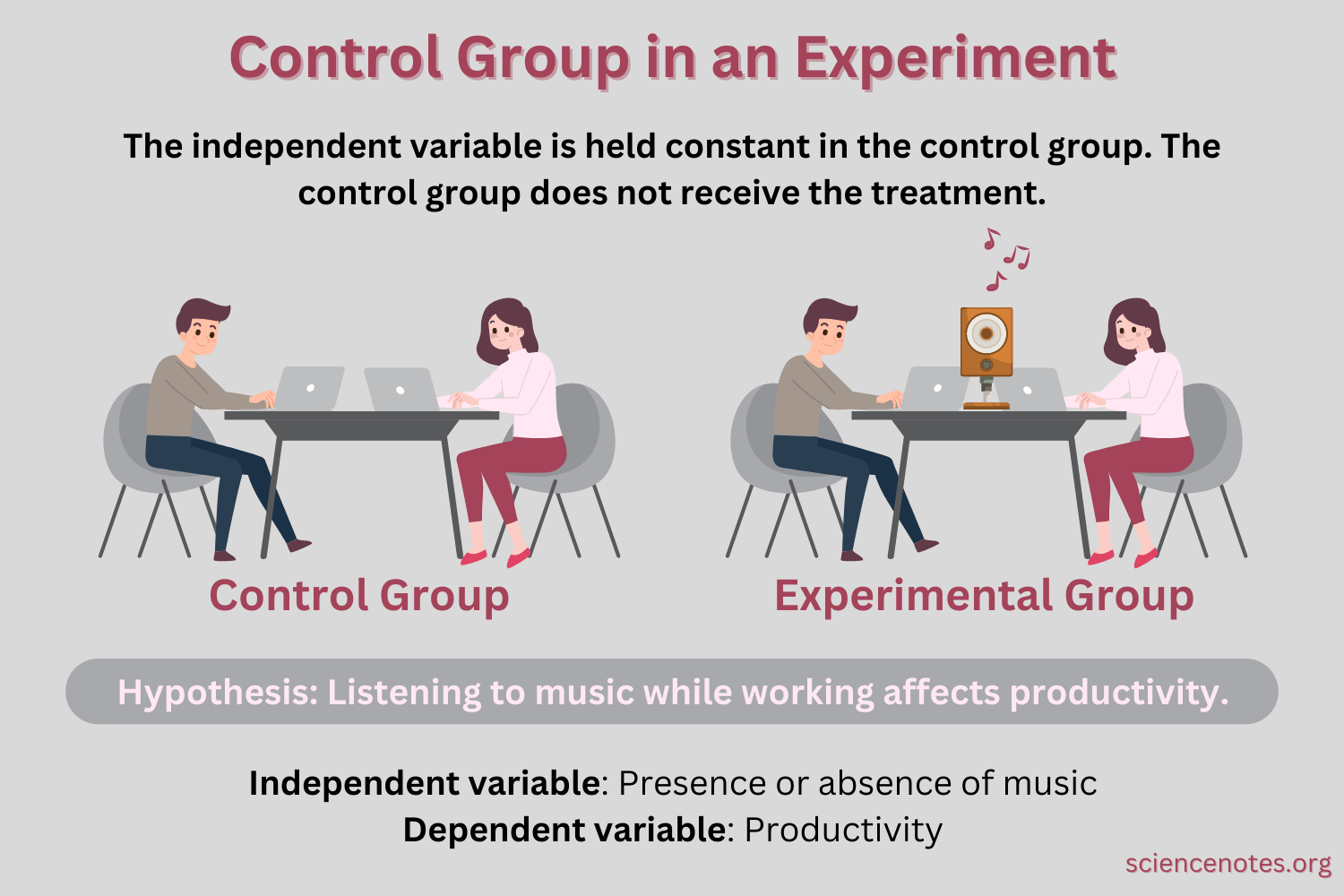 |
By comparing the results of the control group to the experimental group, researchers can determine if any observed changes are due to the independent variable or if they are due to chance or other factors.
Choice B is incorrect because a control group is not used to establish the effect of a dependent variable on an independent variable.
Choice C is incorrect because while a control group can help control for the impact of extraneous variables on the dependent variable, its primary purpose is to isolate the effect of the independent variable.
Choice D is incorrect because a control group is not used to control for the impact of extraneous variables on the independent variable.
Correct Answer is C
Explanation
The correct answer is choice C. Estrogen.
Estrogen is a steroid hormone responsible for the development of female secondary sexual characteristics such as breast development, menstrual cycle, and widening of hips.
Choice A, Progesterone, is not the correct answer because it is required to maintain pregnancy and delivery.
Choice B, Testosterone, is not the correct answer because it is a hormone produced by the testes which controls the development of male secondary sexual characteristics.
Choice D, FSH (Follicle Stimulating Hormone), is not the correct answer because it stimulates the growth of ovarian follicles in females and regulates spermatogenesis in males.
Correct Answer is A
Explanation
The neuromuscular junction is a type of synapse where neuronal signals from the brain or spinal cord interact with skeletal muscle fibers, causing them to contract.
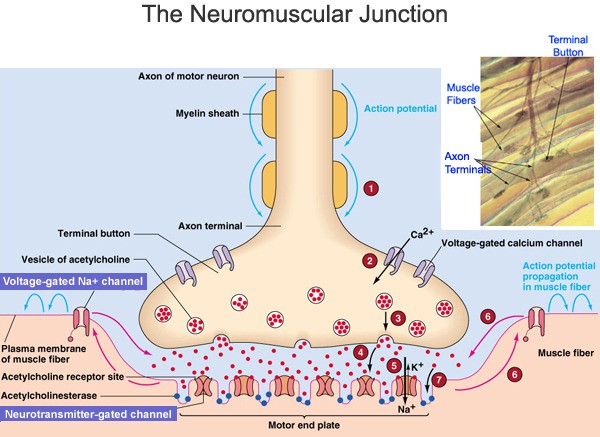
The activation of many muscle fibers together causes muscles to contract, which in turn can produce movement.
Choice B is incorrect because binding acetylcholine to nAChRs is a process that occurs at the neuromuscular junction, but it is not the function of the neuromuscular junction itself.
Choice C is incorrect because depolarizing the muscle cell membrane is a result of the function of the neuromuscular junction, but it is not the function itself.
Choice D is incorrect because activating voltage-gated sodium channels on the muscle membrane is a result of the function of the neuromuscular junction, but it is not the function itself.
Correct Answer is A
Explanation
The correct answer is choice A. Hydrogen bonds.
Hydrogen bonds are responsible for the unique properties of water and play a crucial role in the structure of DNA and proteins.
Hydrogen bonds are weak electrostatic attractions between a hydrogen atom covalently bonded to an electronegative atom and another electronegative atom.
Choice B.
Covalent bonds is incorrect because covalent bonds are strong chemical bonds formed by the sharing of electrons between two atoms.
Choice C.
Ionic bonds is incorrect because ionic bonds are chemical bonds formed by the transfer of electrons from one atom to another, resulting in the formation of ions.
Choice D.
Van der Waals forces is incorrect because Van der Waals forces are weak intermolecular forces that arise from temporary dipoles induced in atoms or molecules.
Correct Answer is B
Explanation
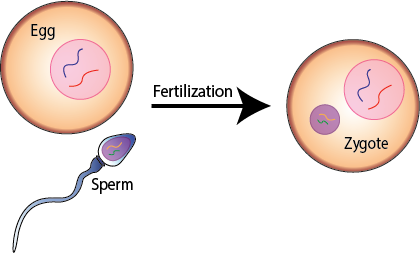
Fertilization.
Fertilization is the process by which male and female gametes fuse to form a zygote.
 |
Oogenesis (choice A) is the process by which female gametes, or eggs, are produced.
Meiosis (choice C) is a type of cell division that results in the formation of gametes.
Mitosis (choice D) is a type of cell division that results in the formation of two identical daughter cells.
Correct Answer is A
Explanation
Hydrogen bonding is an interaction involving a hydrogen atom located between a pair of other atoms having a high affinity for electrons.
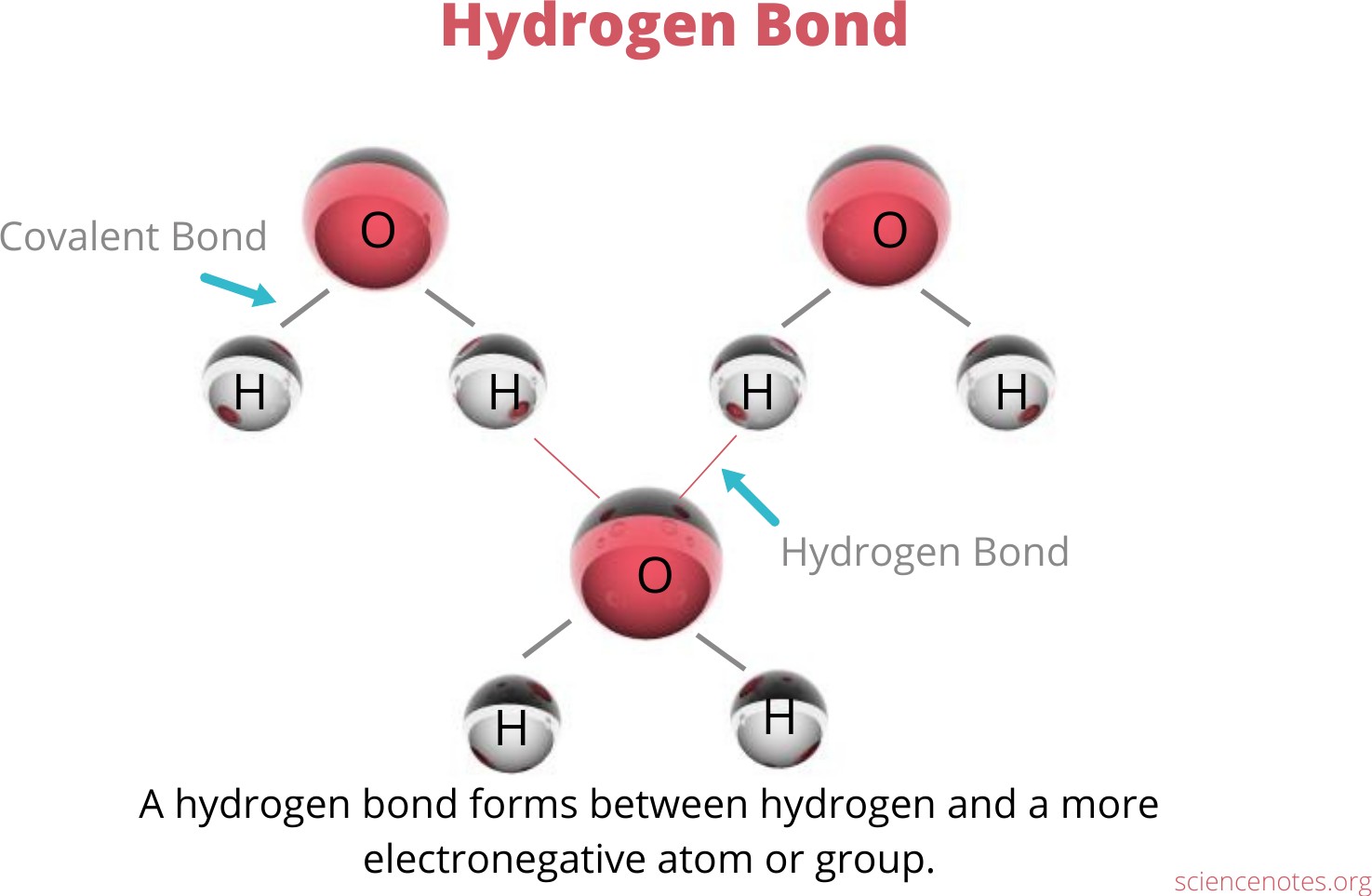 |
One atom of the pair (the donor), generally a fluorine, nitrogen, or oxygen atom, is covalently bonded to a hydrogen atom, whose electrons it shares unequally; its high electron affinity causes the hydrogen to take on a slight positive charge.
The other atom of the pair (the acceptor), also typically F, N, or O, has an unshared electron pair, which gives it a slight negative charge.
Mainly through electrostatic attraction, the donor atom effectively shares its hydrogen with the acceptor atom, forming a bond.
Choice B) The repulsion between the positive and negative charges of two molecules is incorrect because hydrogen bonding involves attraction, not repulsion.
Choice C) The attraction between two nonpolar molecules is incorrect because hydrogen bonding involves polar molecules.
Choice D) The attraction between two ionic molecules is incorrect because hydrogen bonding involves polar molecules and not ionic molecules.
Correct Answer is C
Explanation
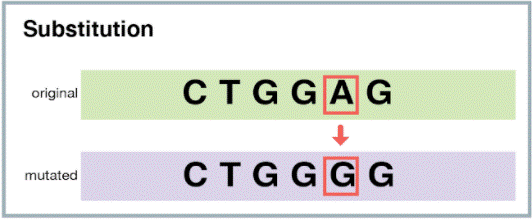
The correct answer is choice C. Substitution.
A substitution mutation is a type of point mutation where one base in the DNA sequence is replaced by another base.
 |
Choice A is incorrect because a deletion mutation occurs when one or more bases are removed from the DNA sequence.
Choice B is incorrect because an insertion mutation occurs when one or more bases are added to the DNA sequence.
Choice D is incorrect because an inversion mutation occurs when a segment of DNA is reversed within the chromosome.
Correct Answer is A
Explanation
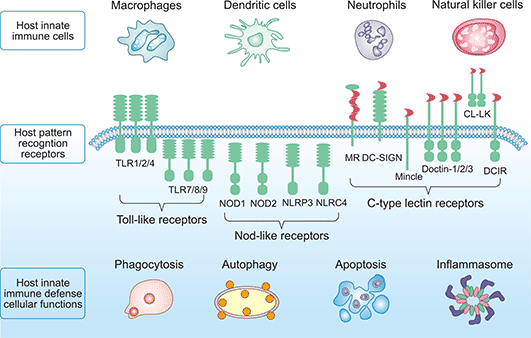
Pattern recognition receptors (PRRs) are a class of receptors that can directly recognize the specific molecular structures on the surface of pathogens.
PRRs play a crucial role in the proper function of the innate immune system and are germline-encoded host sensors, which detect molecules typical for the pathogens.
 |
Choice B is incorrect because cytokines are not receptors but rather signaling molecules that regulate immunity.
Choice C is incorrect because chemokines are not receptors but rather signaling molecules that attract immune cells to sites of infection.
Choice D is incorrect because T cells are not receptors but rather white blood cells that assist B cells or directly kill infected cells.
Correct Answer is C
Explanation
Natural killer cells.
Natural killer (NK) cells are large granular lymphocytes that are capable of destroying cells infected by viruses or bacteria and susceptible tumor cells without prior sensitization and restriction by MHC antigens.
Helper T cells (choice A) are a type of white blood cell that helps other immune cells respond to infections but do not directly kill infected or tumor cells.
B cells (choice B) are a type of white blood cell that produces antibodies to fight infections but do not directly kill infected or tumor cells.
Cytotoxic T cells (choice D) are a type of white blood cell that can kill infected or tumor cells but require prior sensitization to do so.
This question was extracted from the actual TEAS Exam. Ace your TEAS exam with the actual TEAS 7 questions, Start your journey with us today
Visit Naxlex, the Most Trusted TEAS TEST Platform With Guaranteed Pass of 90%.
Money back guarantee if you use our service and fail the actual exam. Option of personalised live tutor on your area of weakness.