
What is the primary pigment responsible for photosynthesis in plants?
Chlorophyll a
Chlorophyll b
Carotenoids
Anthocyanins
Correct Answer : A
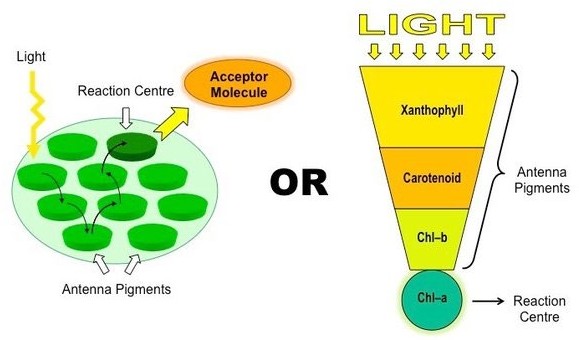
Chlorophyll a is the primary pigment responsible for photosynthesis in plants. It is a green pigment that is essential for capturing light energy from the sun and converting it into chemical energy that can be used by the plant. Chlorophyll a absorbs light most efficiently in the blue and red parts of the spectrum, and reflects green light, giving plants their characteristic green color
Chlorophyll b is another type of chlorophyll that is also involved in photosynthesis, but it is not as abundant as chlorophyll a. Chlorophyll b absorbs light most efficiently in the blue and orange parts of the spectrum and reflects yellow-green light.
Carotenoids are pigments that are present in many plants and are involved in photosynthesis as well as protecting the plant from damage caused by excess light. Carotenoids are responsible for the orange, yellow, and red colors of many fruits and vegetables.
Anthocyanins are pigments that give plants their red, purple, and blue colors. While they are not directly involved in photosynthesis, they play a role in atracting pollinators and protecting the plant from damage caused by UV radiation.
TEAS 7 Exam Quiz Bank
HESI A2 Exam Quiz Bank
Find More Questions 📚
Teas 7 Questions: We got the latest updated TEAS 7 questions
100% Money Refund: 100% money back guarantee if you take our full
assessment pass with 80% and fail the actual exam.
Live Tutoring: Fully customized live tutoring lessons.
Guaranteed A Grade: All students who use our services pass with 90%
guarantee.
Related Questions
Correct Answer is B
Explanation
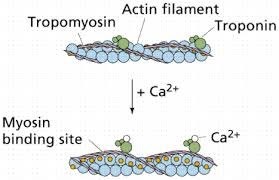
Muscle contraction is a complex process that involves the interaction between actin and myosin filaments in the muscle fibers. The sliding of these filaments is initiated by the release of calcium ions from the sarcoplasmic reticulum, a specialized organelle in muscle cells. The calcium ions bind to the protein troponin, which causes a conformational change in the troponin-tropomyosin complex, exposing the myosin-binding sites on actin. This allows the myosin heads to bind to actin, forming cross-bridges that pull the actin filaments towards the center of the sarcomere, resulting in muscle contraction.
Option a) is incorrect because calcium does not bind to tropomyosin directly, but rather binds to the protein troponin, causing a conformational change in the troponin-tropomyosin complex. Option c) is incorrect because calcium does not activate motor neurons, but rather is released from the sarcoplasmic reticulum in response to an action potential that travels down the motor neuron to the neuromuscular junction. Option d) is incorrect because calcium is required for muscle contraction, not relaxation. The relaxation of muscles after contraction is due to the active transport of calcium ions back into the sarcoplasmic reticulum, which allows the troponin-tropomyosin complex to return to its resting conformation, blocking the myosin-binding sites on actin and ending the cross-bridge cycle.
Correct Answer is C
Explanation
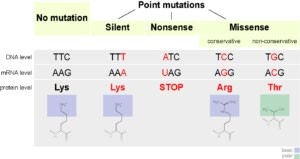
A frameshift mutation is a type of genetic mutation that involves the insertion or deletion of one or more nucleotides in a DNA sequence. This can cause a shift in the reading frame of the genetic code, resulting in a change in the amino acid sequence of the resulting protein. Frameshift mutations can have significant effects on the function of the protein and can lead to genetic disorders or diseases.
 |
Correct Answer is B
Explanation
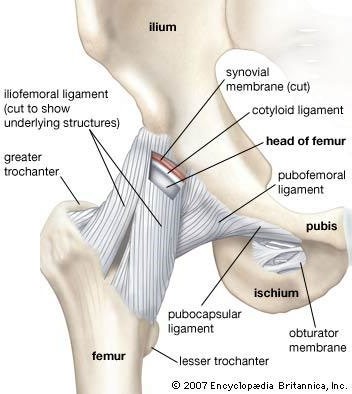
Ligaments are tough bands of fibrous tissue that connect two bones together in a joint. They provide stability and support to the joint, preventing excessive movement and helping to maintain proper alignment of the bones.
Correct Answer is A
Explanation
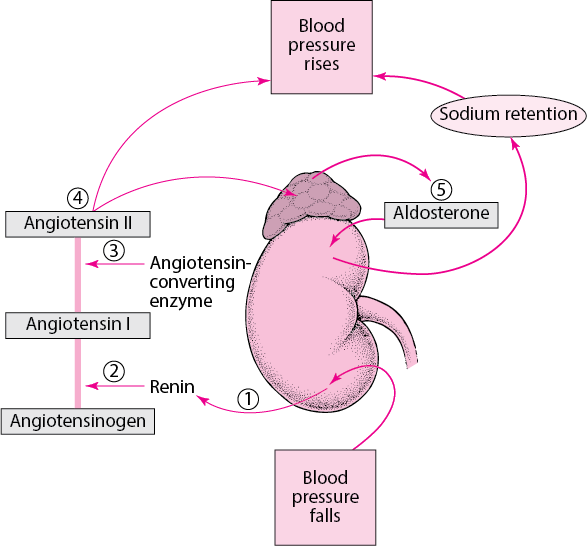
Renin is an enzyme that is produced by the kidneys and it acts to elevate blood pressure. When blood pressure falls, the kidneys secrete renin into the bloodstream ³.
 |
Correct Answer is A
Explanation
The renal vein is responsible for draining oxygen-depleted blood from the kidneys and carrying it back to the heart through the inferior vena cava.
The other options refer to different structures:
- B. Renal Artery: Brings oxygenated blood to the kidneys, not draining it.
- C. Urethra: Transports urine from the bladder to the outside of the body, not involved in blood flow.
- D. Ureter: Carries urine from the kidneys to the bladder, also not related to blood drainage.
Correct Answer is D
Explanation
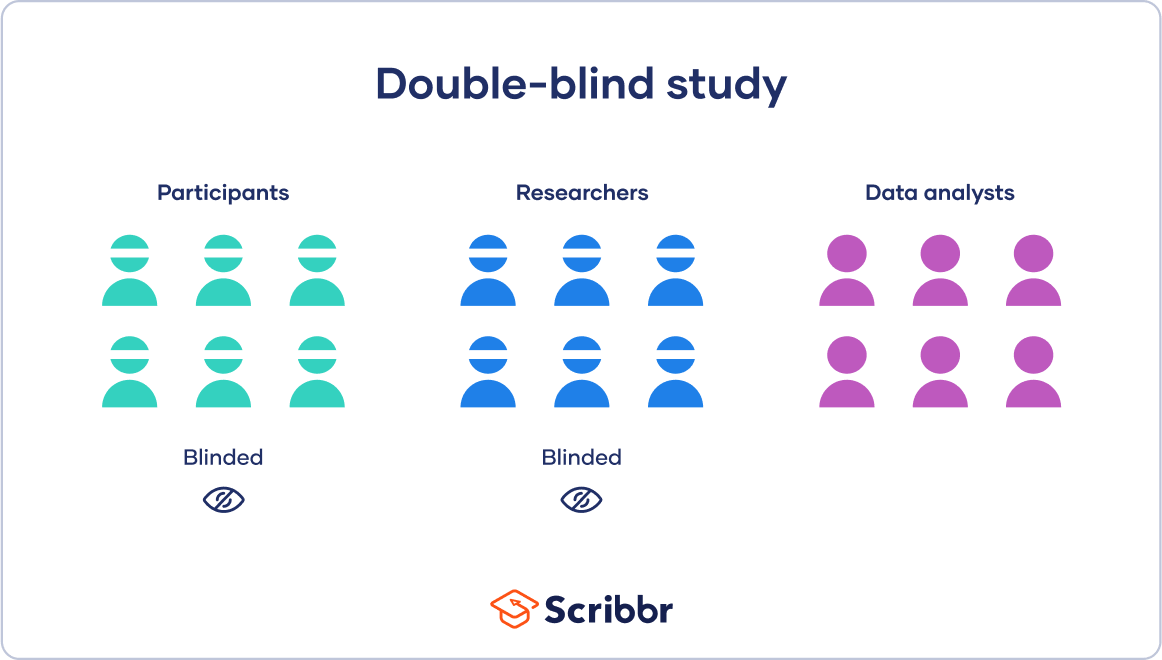
A double-blind study is a research design in which neither the participants nor the researchers know which group participants are assigned to. This is done to minimize bias and ensure that the results of the study are as objective as possible. In a double-blind study, the treatment and control groups are randomly assigned, and the participants and researchers are unaware of which group each participant is assigned to. Option a) is an example of a randomized controlled trial, which is a common research design, but it is not necessarily double-blind. Option b) is an example of an open-label study, in which both the participants and the researchers know which group each participant is assigned to. Option c) is an example of a single-blind study, in which the participants do not know which group they are assigned to, but the researchers do.
Correct Answer is D
Explanation
The unit used to indicate length is the meter (m). It is the base unit of length in the International System of Units (SI).
Correct Answer is A
Explanation
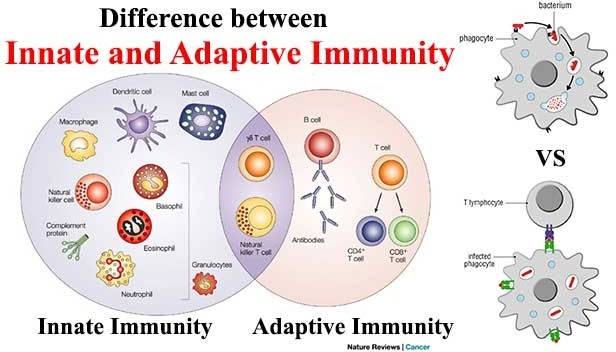
Innate immunity and adaptive immunity are two arms of the immune system that work together to protect the body from pathogens. Innate immunity is the first line of defense and is present at birth. It includes physical and chemical barriers such as the skin, mucous membranes, and antimicrobial peptides, as well as cells such as macrophages and natural killer cells that can quickly recognize and atack pathogens. Innate immunity is nonspecific, meaning it responds to a wide variety of pathogens in a similar way.
Adaptive immunity, on the other hand, is acquired after exposure to pathogens. It involves the production of antibodies and activation of T cells, which are specific to particular pathogens. Adaptive immunity takes longer to develop than innate immunity, but it provides a more specific and targeted response to pathogens. Once the adaptive immune system has been activated against a particular pathogen, it can provide long-term protection against future infections with that pathogen.
Option b) is incorrect because innate immunity is nonspecific while adaptive immunity is specific. Option c) is incorrect because antibodies are a part of adaptive immunity while T cells can be a part of both innate and adaptive immunity. Option d) is incorrect because adaptive immunity can provide long-term protection, while innate immunity provides immediate but short-lived protection.
 |
Correct Answer is D
Explanation
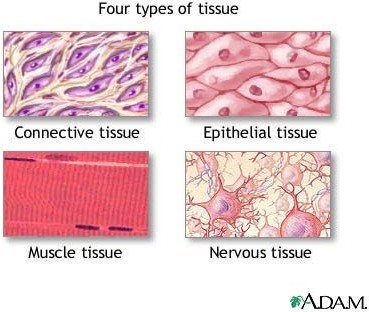
Exocrine glandular is not one of the four primary tissue types found in the human body. The four primary tissue types are epithelial, nervous, connective, and muscle.
 |
Correct Answer is B
Explanation
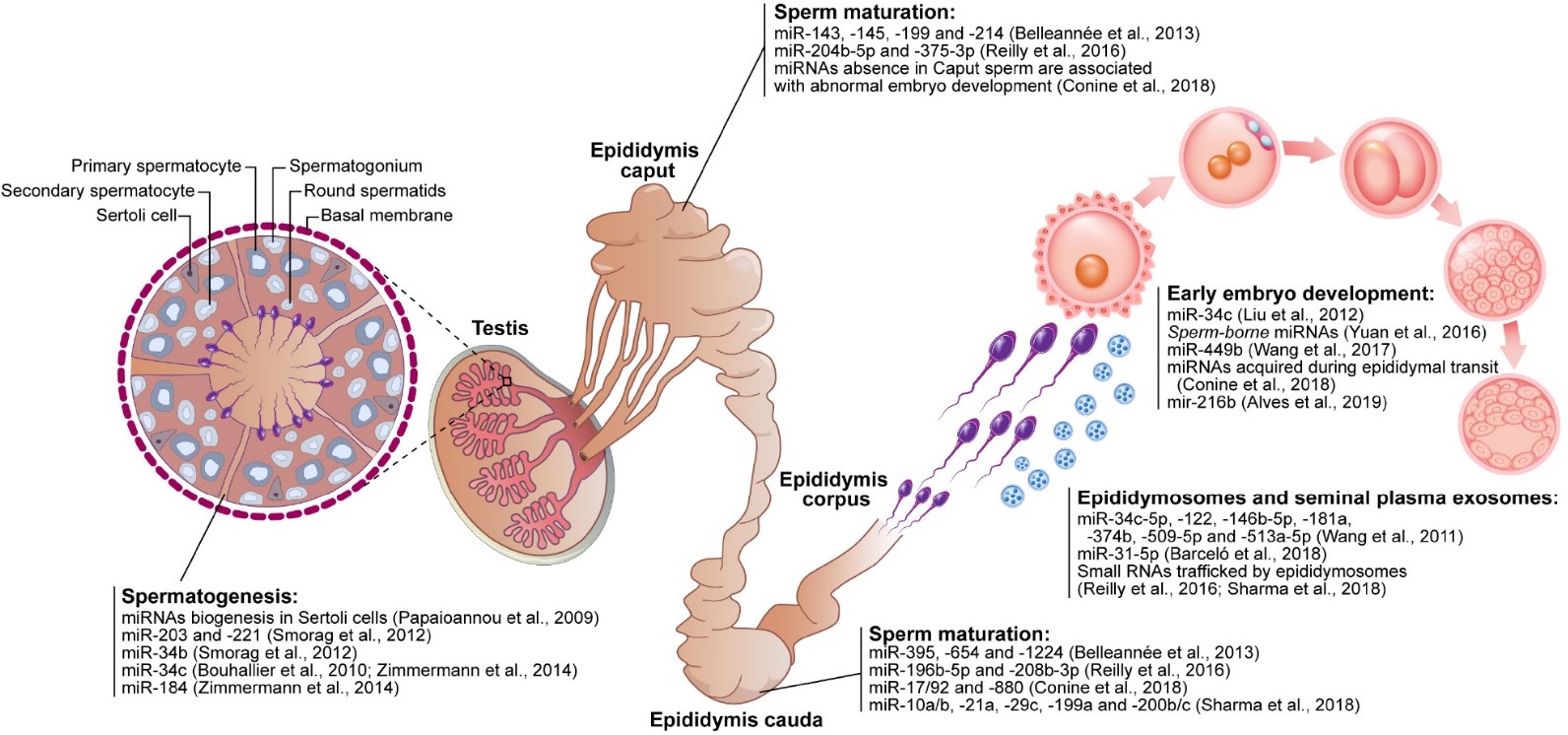
The epididymis is a coiled tube located at the back of each testicle where the sperm mature and are stored until ejaculation. Sperm are produced in the testes and then transported to the epididymis where they undergo maturation and become motile. The epididymis provides a protective environment for the sperm, allowing them to mature and become more resilient to external stressors. During ejaculation, the sperm are transported from the epididymis to the vas deferens and then to the urethra for ejaculation.
 |
This question was extracted from the actual TEAS Exam. Ace your TEAS exam with the actual TEAS 7 questions, Start your journey with us today
Visit Naxlex, the Most Trusted TEAS TEST Platform With Guaranteed Pass of 90%.
Money back guarantee if you use our service and fail the actual exam. Option of personalised live tutor on your area of weakness.