
A 60-year-old patient complains of fever and pain in the lower abdomen with guarding, which is relieved after a bowel movement. The provider advises against a barium enema or colonoscopy for diagnosis because it may cause a perforation or hemorrhage.
Which condition is described?
Gastritis
Hemorrhoids
Diverticulitis
Gastroenteritis
The Correct Answer is C
A. Gastritis: This affects the stomach (upper abdomen). It would not cause lower abdominal pain relieved by bowel movements.
B. Hemorrhoids: While they can cause discomfort during bowel movements, they do not cause fever, guarding, or generalized lower abdominal pain.
C. Diverticulitis: This is the inflammation of small pouches (diverticula) in the colon. It causes lower left quadrant pain and fever. During an acute flare-up, invasive tests like colonoscopies or barium enemas are contraindicated because the inflamed tissue is fragile and at high risk for perforation.
D. Gastroenteritis: This is a "stomach flu" involving diarrhea and vomiting. While it causes abdominal pain, it is usually diffuse rather than localized with guarding, and it does not carry the same high risk of perforation during diagnostic imaging as diverticulitis.
Nursing Test Bank
Naxlex Comprehensive Predictor Exams
Related Questions
Correct Answer is D
Explanation
A. Diabetic retinopathy: This is caused by damage to the blood vessels of the light-sensitive tissue at the back of the eye (retina) due to high blood sugar.
B. Age-related macular degeneration: This involves the breakdown of the macula (the center of the retina), leading to loss of central vision, not pressure-related nerve damage.
C. Cataracts: This is the clouding of the lens of the eye, which obstructs light but does not involve IOP or optic nerve pressure.
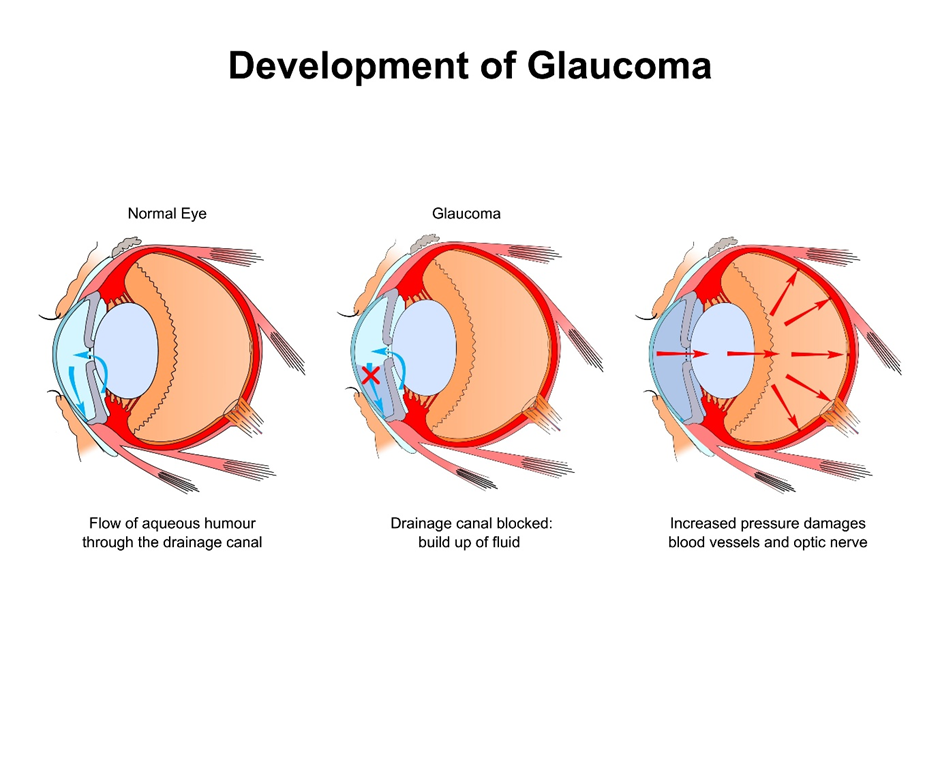
D. Glaucoma: Glaucoma is specifically defined by increased intraocular pressure that damages the optic nerve, leading to progressive vision loss.
Correct Answer is A
Explanation
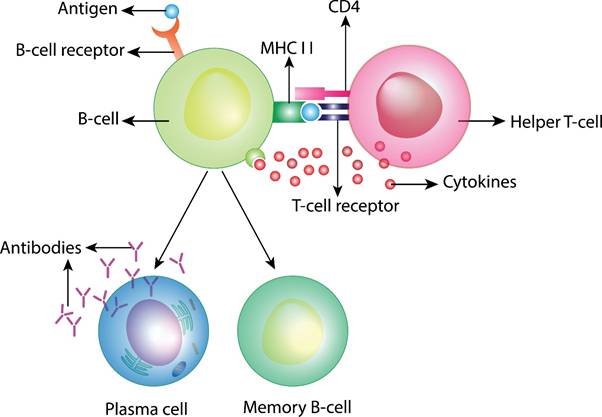
A. A type of white blood cell that makes antibodies: This is the primary function of B cells (B lymphocytes). Once activated, they differentiate into plasma cells that secrete antibodies to neutralize specific pathogens.
B. A type of cell that makes hormones and enzymes: This describes endocrine cells (for hormones) or various exocrine/digestive cells (for enzymes), not immune cells.
C. Cells that release histamine during the inflammatory response: This describes mast cells and basophils, which trigger allergic and inflammatory reactions.
D. Cells that eat pathogens and destroy them: This describes phagocytes, such as Macrophages and Neutrophils, which "eat" (engulf) cellular debris and bacteria.
Whether you are a student looking to ace your exams or a practicing nurse seeking to enhance your expertise , our nursing education contents will empower you with the confidence and competence to make a difference in the lives of patients and become a respected leader in the healthcare field.
Visit Naxlex, invest in your future and unlock endless possibilities with our unparalleled nursing education contents today