
A nurse is caring for a client who had a stroke with left-sided paralysis and is at risk for dysphagia. Which of the following actions should the nurse take?
Elevate the head of the client's bed.
Use a syringe to give the client fluids.
Instruct the client to chew on the left side of their mouth.
Instruct the client to swallow with their head tilted back.
The Correct Answer is A
Choice A reason: Elevating the head of the client's bed can help prevent aspiration and facilitate swallowing. The nurse should keep the client's head elevated at least 30 degrees during and after feeding, and check for signs of aspiration, such as coughing, choking, or wheezing.
Choice B reason: Using a syringe to give the client fluids is not a safe method, as it can cause the fluids to enter the airway too quickly and cause aspiration. The nurse should use a spoon or a cup to give the client fluids, and thicken them if needed to make them easier to swallow.
Choice C reason: Instructing the client to chew on the left side of their mouth is not a good idea, as the left side is paralyzed and has reduced sensation. The client may not be able to chew or feel the food on that side, and may accidentally bite their tongue or cheek. The nurse should instruct the client to chew on the right side of their mouth, which is unaffected by the stroke.
Choice D reason: Instructing the client to swallow with their head tilted back is not a good practice, as it can open the airway and allow food or liquid to enter the lungs. The nurse should instruct the client to swallow with their head tilted slightly forward, which can close the airway and direct the food or liquid to the esophagus.
Nursing Test Bank
Naxlex Comprehensive Predictor Exams
Related Questions
Correct Answer is B
Explanation
The correct answer is: b. Offer the client frozen bananas as a snack.
Choice A: Discourage the use of a straw
Discouraging the use of a straw is not the best intervention for a client with stomatitis following radiation therapy. While using a straw might cause some discomfort, it is not a primary concern. The focus should be on providing soothing and non-irritating foods.
Choice B: Offer the client frozen bananas as a snack
Offering the client frozen bananas as a snack is an appropriate intervention. Frozen bananas can provide a soothing effect on the inflamed oral tissues and are less likely to cause irritation compared to other foods. They are also nutritious and easy to consume, making them a suitable option for clients with stomatitis.
Choice C: Serve the client hot meals
Serving hot meals is not recommended for clients with stomatitis. Hot foods can exacerbate the discomfort and irritation in the mouth, making it more painful for the client to eat. It is better to serve foods at a moderate or cool temperature to avoid further irritation.
Choice D: Avoid serving sauces or gravies
Avoiding sauces or gravies is not the best intervention for a client with stomatitis. While some sauces or gravies might be irritating, others can be soothing and help make the food easier to swallow. The key is to choose mild and non-spicy options that do not irritate the oral tissues.
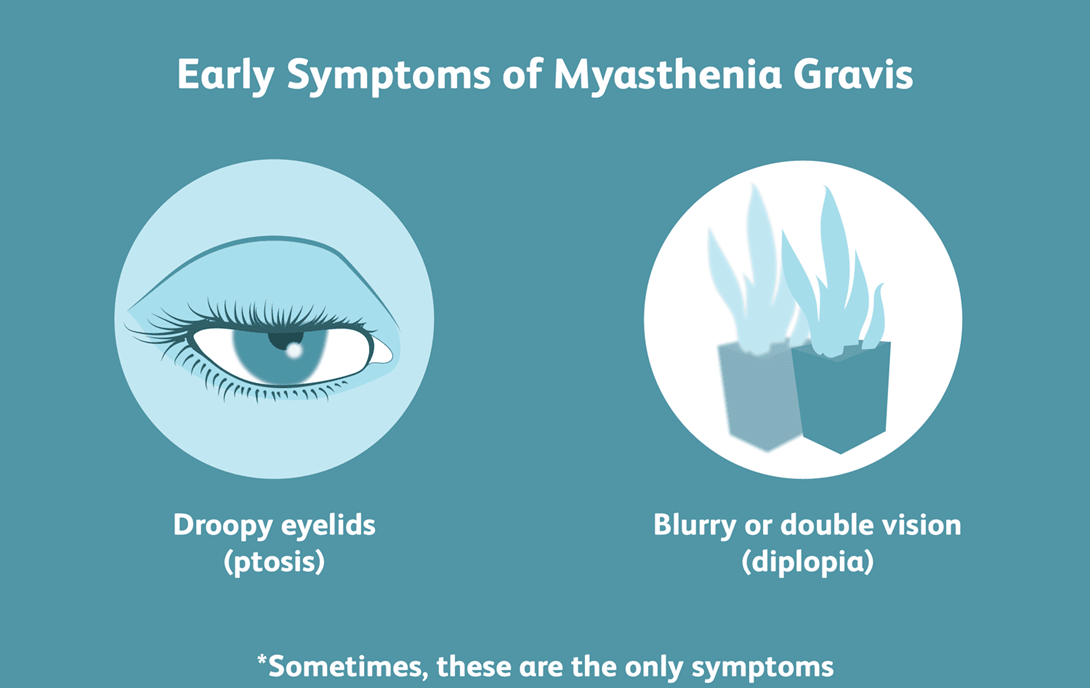
Correct Answer is B
Explanation
Choice A reason: Anticholinesterase medications should be taken 30 minutes before meals, not with meals. This is because they enhance the action of acetylcholine, which improves muscle strength and swallowing ability.
Choice B reason: Positioning the head of the client's bed to 40° while eating helps prevent aspiration and facilitates swallowing. This is the best action for the nurse to take for a client who has myasthenia gravis.
Choice C reason: Encouraging the client to lie down after eating is not advisable, as it increases the risk of aspiration and reflux. The client should remain upright for at least 30 minutes after eating.
Choice D reason: Providing the client with food cut into small bites is not enough to ensure safe and adequate nutrition. The client may still have difficulty swallowing and chewing. The nurse should also offer soft, moist, and easy-to-swallow foods, and avoid foods that are dry, sticky, or hard.
Whether you are a student looking to ace your exams or a practicing nurse seeking to enhance your expertise , our nursing education contents will empower you with the confidence and competence to make a difference in the lives of patients and become a respected leader in the healthcare field.
Visit Naxlex, invest in your future and unlock endless possibilities with our unparalleled nursing education contents today