
A nurse is caring for a client who has a nasogastric tube and is receiving a continuous tube feeding with a high-protein formula. Which of the following actions should the nurse take to prevent the tubing from clogging?
Flush the tubing with 10 mL water every 4 hours.
Replace the bag and tubing every 24 hours.
Administer the feeding by gravity drip.
Heat the formula prior to infusion.
The Correct Answer is A
Choice A reason: Flushing the tubing with water every 4 hours can prevent the tubing from clogging by clearing any residual formula or medication from the lumen.
Choice B reason: Replacing the bag and tubing every 24 hours can prevent bacterial contamination, but it does not prevent the tubing from clogging.
Choice C reason: Administering the feeding by gravity drip can cause overfeeding, aspiration, or diarrhea, but it does not prevent the tubing from clogging.
Choice D reason: Heating the formula prior to infusion can cause bacterial growth, nutrient loss, or burns, but it does not prevent the tubing from clogging.
Nursing Test Bank
Naxlex Comprehensive Predictor Exams
Related Questions
Correct Answer is B
Explanation
Choice A reason: Dry eyes are not caused by vitamin D deficiency, but by other factors such as aging, medication, environmental conditions, or eye diseases. Vitamin D does not have a direct role in eye health or function.
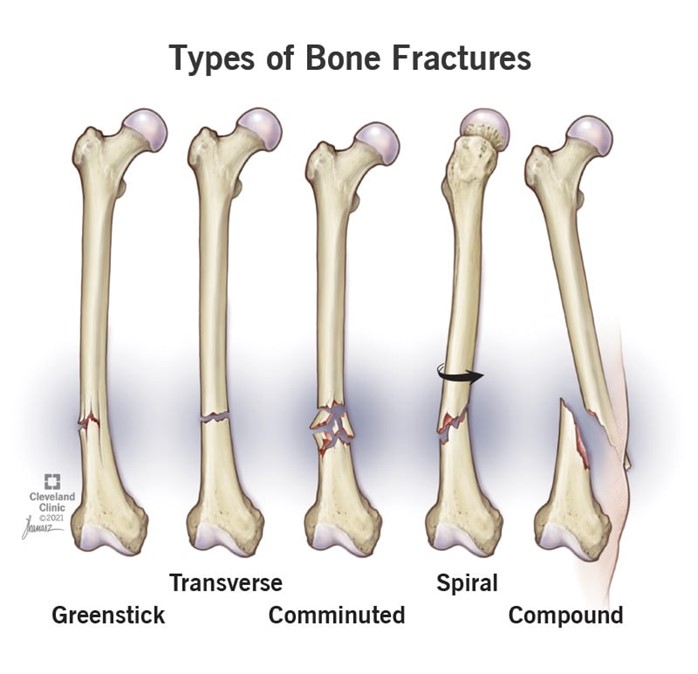
Choice B reason: Fractures are caused by vitamin D deficiency, as vitamin D helps the body absorb calcium, which is essential for bone health and strength. Vitamin D deficiency can lead to osteoporosis, a condition in which the bones become brittle and prone to breaking.
Choice C reason: Infection is not caused by vitamin D deficiency, but by other factors such as exposure to pathogens, weakened immune system, or poor hygiene. Vitamin D may have some role in modulating immune responses, but it is not a primary factor in preventing infection.
Choice D reason: Swelling is not caused by vitamin D deficiency, but by other factors such as injury, inflammation, fluid retention, or allergic reaction. Vitamin D does not have a direct role in regulating fluid balance or reducing inflammation.
Correct Answer is B
Explanation
Choice A reason: Dietary restrictions will not eventually allow the intake of gluten to resume. Gluten is a protein found in wheat, barley, rye, and some oats. It causes damage to the small intestine in people with celiac disease. The only treatment for celiac disease is a lifelong gluten-free diet.
Choice B reason: This condition may cause secondary lactose intolerance. Lactose is a sugar found in milk and dairy products. It is broken down by an enzyme called lactase in the small intestine. People with celiac disease may have reduced levels of lactase due to the damage to the small intestine caused by gluten. This can lead to lactose intolerance, which is the inability to digest lactose properly. Symptoms of lactose intolerance include bloating, gas, diarrhea, and abdominal pain after consuming dairy products.
Choice C reason: Nutritional therapy for this condition does not include limiting proteins and calories. People with celiac disease need adequate amounts of proteins and calories to maintain their health and prevent malnutrition. They also need to ensure that they get enough vitamins, minerals, and fiber from gluten-free sources.
Choice D reason: A normal diet cannot resume after a period of remission. Celiac disease is a chronic autoimmune disorder that does not have a cure. Even if the symptoms improve or disappear, the damage to the small intestine can still occur if gluten is consumed. Therefore, a strict gluten-free diet must be followed for life.
Whether you are a student looking to ace your exams or a practicing nurse seeking to enhance your expertise , our nursing education contents will empower you with the confidence and competence to make a difference in the lives of patients and become a respected leader in the healthcare field.
Visit Naxlex, invest in your future and unlock endless possibilities with our unparalleled nursing education contents today