
A nurse is caring for a newborn who was delivered 30 minutes ago.
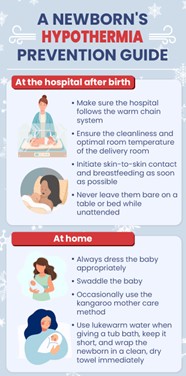
The newborn is placed skin-to-skin with the mother and covered with a dry cloth and a hat.
What is the primary purpose of this intervention?
To promote bonding between the mother and the newborn
To prevent hypothermia in the newborn
To stimulate the newborn’s respiratory effort
To facilitate early initiation of breastfeeding .
The Correct Answer is B
The correct answer is choice B. To prevent hypothermia in the newborn. This is because newborns are at a higher risk of losing heat through various mechanisms, such as evaporation, conduction, convection, and radiation. Placing the newborn skin-to-skin with the mother and covering with a dry cloth and a hat helps to conserve heat and prevent cold stress.
Choice A is wrong because promoting bonding between the mother and the newborn is not the primary purpose of this intervention, although it is a beneficial outcome.
Choice C is wrong because stimulating the newborn’s respiratory effort is not the primary purpose of this intervention, although it may help to reduce apnea and bradycardia.
Choice D is wrong because facilitating early initiation of breastfeeding is not the primary purpose of this intervention, although it may enhance lactation and milk transfer.
Nursing Test Bank
Naxlex Comprehensive Predictor Exams
Related Questions
Correct Answer is B
Explanation
The correct answer is choice B. To prevent hypothermia in the newborn.This is because newborns are at a higher risk of losing heat through various mechanisms, such as evaporation, conduction, convection, and radiation.Placing the newborn skin-to-skin with the mother and covering with a dry cloth and a hat helps to conserve heat and prevent cold stress.
Choice A is wrong because promoting bonding between the mother and the newborn is not the primary purpose of this intervention, although it is a beneficial outcome.
Choice C is wrong because stimulating the newborn’s respiratory effort is not the primary purpose of this intervention, although it may help to reduce apnea and bradycardia.
Choice D is wrong because facilitating early initiation of breastfeeding is not the primary purpose of this intervention, although it may enhance lactation and milk transfer.
Correct Answer is C
Explanation
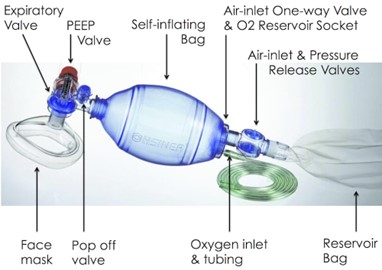
The correct answer is choice C. Provide positive pressure ventilation with a bag and mask.
This is because the newborn has not established spontaneous breathing and needs immediate respiratory support.According to the NRP 7th edition, positive pressure ventilation should be initiated within the first minute of life for non-breathing or gasping newborns.
Choice A is wrong because chest compressions are only indicated if the heart rate is below 60 beats per minute after 30 seconds of effective ventilation.
Choice B is wrong because oxygen via nasal cannula is not an appropriate method of delivering oxygen to a non-breathing newborn.
Choice D is wrong because suctioning the newborn’s mouth and nose with a bulb syringe may cause bradycardia and delay ventilation.
The normal respiratory rate for a newborn is 30 to 60 breaths per minute.The normal heart rate for a newborn is 100 to 160 beats per minute.
Whether you are a student looking to ace your exams or a practicing nurse seeking to enhance your expertise , our nursing education contents will empower you with the confidence and competence to make a difference in the lives of patients and become a respected leader in the healthcare field.
Visit Naxlex, invest in your future and unlock endless possibilities with our unparalleled nursing education contents today