
A nurse is reviewing the medication history of a client who has been taking phenobarbital (Luminal) for generalized seizures. The client reports feeling tired and depressed most of the time. What is an appropriate response by the nurse?
"These are common side effects of phenobarbital and will go away with time."
"These are signs of toxicity and you should stop taking phenobarbital immediately."
"These are symptoms of withdrawal and you should increase your dose of phenobarbital."
"These are indications of dependence and you should talk to your provider about switching to another medication."
The Correct Answer is A
Phenobarbital is a barbiturate that can cause physical and psychological dependence with chronic use, meaning that the body and the mind become accustomed to the drug and need it to function normally. Dependence can lead to withdrawal symptoms when the drug is stopped or reduced, such as insomnia, nausea, tremors, and dizziness⁹. Dependence can also increase the risk of overdose, tolerance, and addiction¹³.
Choice A is wrong because these are not common side effects of phenobarbital, but signs of dependence. Common side effects of phenobarbital may include drowsiness, lack of energy, dizziness, or spinning sensation².
Choice B is wrong because these are not signs of toxicity, but signs of dependence. Toxicity occurs when the drug reaches a level in the body that causes harmful effects, such as respiratory depression, hypotension, coma, or death⁵. Signs of toxicity may include slow or shallow breathing, weak pulse, cold or clammy skin, little or no urination, pinpoint pupils, feeling cold, or fainting².
Choice C is wrong because these are not symptoms of withdrawal, but signs of dependence. Withdrawal occurs when the drug is stopped or reduced after a period of regular use, causing the body and the mind to react to the absence of the drug. Withdrawal symptoms may include anxiety, restlessness, irritability, agitation, confusion, hallucinations, seizures, or delirium⁹. Increasing the dose of phenobarbital can worsen the dependence and increase the risk of adverse effects.
Nursing Test Bank
Naxlex Comprehensive Predictor Exams
Related Questions
Correct Answer is A
Explanation
Phenobarbital is a barbiturate that can cause physical and psychological dependence with chronic use, meaning that the body and the mind become accustomed to the drug and need it to function normally. Dependence can lead to withdrawal symptoms when the drug is stopped or reduced, such as insomnia, nausea, tremors, and dizziness⁹. Dependence can also increase the risk of overdose, tolerance, and addiction¹³.
Choice A is wrong because these are not common side effects of phenobarbital, but signs of dependence. Common side effects of phenobarbital may include drowsiness, lack of energy, dizziness, or spinning sensation².
Choice B is wrong because these are not signs of toxicity, but signs of dependence. Toxicity occurs when the drug reaches a level in the body that causes harmful effects, such as respiratory depression, hypotension, coma, or death⁵. Signs of toxicity may include slow or shallow breathing, weak pulse, cold or clammy skin, little or no urination, pinpoint pupils, feeling cold, or fainting².
Choice C is wrong because these are not symptoms of withdrawal, but signs of dependence. Withdrawal occurs when the drug is stopped or reduced after a period of regular use, causing the body and the mind to react to the absence of the drug. Withdrawal symptoms may include anxiety, restlessness, irritability, agitation, confusion, hallucinations, seizures, or delirium⁹. Increasing the dose of phenobarbital can worsen the dependence and increase the risk of adverse effects.
Correct Answer is B
Explanation
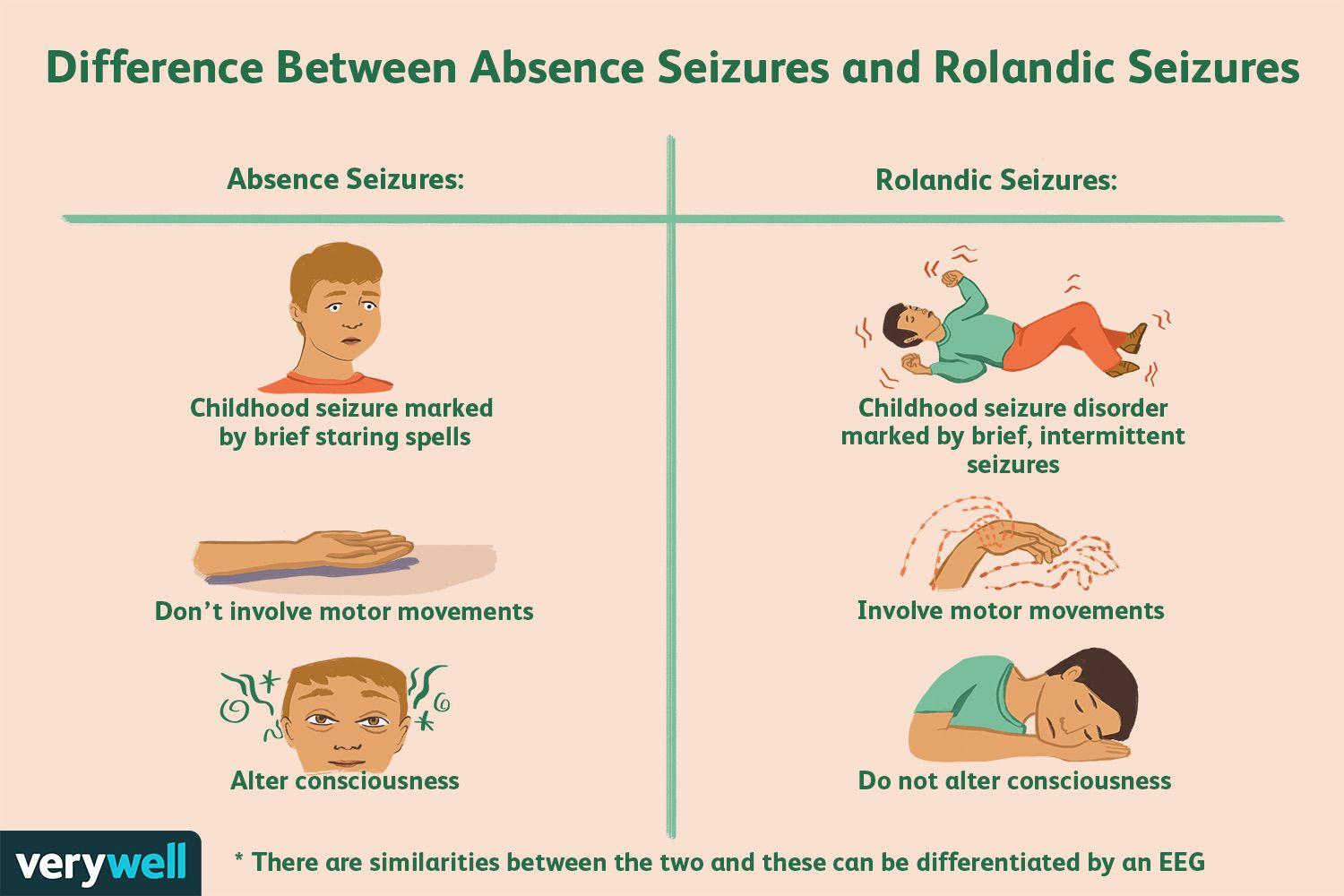
Valproic acid is an anticonvulsant that is used to treat absence seizures, which are brief episodes of staring or blanking out. Valproic acid is believed to increase the concentration of gamma-aminobutyric acid (GABA) in the brain, which is a neurotransmitter that reduces the excitability of neurons and prevents seizures¹².
Choice A is wrong because valproic acid does not inhibit the breakdown of a neurotransmitter, but rather increases its availability. The neurotransmitter that is inhibited by valproic acid is not known to prevent seizures, but rather to cause them. This neurotransmitter is glutamate, which is the main excitatory neurotransmitter in the brain³.
Choice C is wrong because valproic acid does not block sodium channels that trigger seizures, but rather calcium channels that are involved in neuronal signaling. Blocking sodium channels is the mechanism of action of another class of anticonvulsants, such as phenytoin and carbamazepine⁴.
Choice D is wrong because valproic acid does not suppress calcium influx that causes seizures, but rather inhibits calcium channels that regulate calcium influx. Suppressing calcium influx is the mechanism of action of another anticonvulsant, ethosuximide, which is also used to treat absence seizures⁵.
Whether you are a student looking to ace your exams or a practicing nurse seeking to enhance your expertise , our nursing education contents will empower you with the confidence and competence to make a difference in the lives of patients and become a respected leader in the healthcare field.
Visit Naxlex, invest in your future and unlock endless possibilities with our unparalleled nursing education contents today