
The health care team member is providing preoperative education to a patient who is having a planned cesarean delivery.
The patient asks, “When will I be able to see my baby?” The health care team member is aware that promoting maternal bonding during the recovery period is especially important for postcesarean patients.
Why is this true?
Mothers have more problems with parenting skills.
Mothers may be at increased risk for poor bonding with the newborn.
Mothers cannot breastfeed right away.
Mothers may resent the health care team member for keeping the newborn in the nursery.
The Correct Answer is B
The correct answer is choice B. Mothers may be at increased risk for poor bonding with the newborn. This is because cesarean delivery can interfere with the natural hormonal and physiological processes that facilitate maternal-infant attachment, such as skin-to-skin contact, breastfeeding initiation, and oxytocin release. Cesarean delivery can also cause more pain, stress, and anxiety for the mother, which can affect her emotional availability and responsiveness to the newborn.
Choice A is wrong because mothers do not necessarily have more problems with parenting skills after cesarean delivery.
Parenting skills depend on many factors, such as education, support, personality, and motivation.
Cesarean delivery may pose some challenges for postpartum recovery and care, but it does not imply that mothers are less competent or capable of parenting.
Choice C is wrong because mothers can breastfeed right away after cesarean delivery, unless there are medical contraindications or complications.
Breastfeeding is beneficial for both the mother and the newborn, as it provides nutrition, immunity, comfort, and bonding. However, breastfeeding after cesarean delivery may require more assistance and support from health care providers and family members, as well as alternative positions and techniques to avoid pain and discomfort.
Choice D is wrong because mothers do not necessarily resent the health care team member for keeping the newborn in the nursery.
Mothers may appreciate the help and care that the health care team member provides for them and their newborns.
However, keeping the newborn in the nursery may delay or reduce the opportunities for maternal-infant interaction and bonding.
Therefore, it is recommended to promote early and frequent contact between the mother and the newborn after cesarean delivery, as long as it is safe
Nursing Test Bank
Naxlex Comprehensive Predictor Exams
Related Questions
Correct Answer is ["A","B"]
Explanation
The correct answer is choice A and B.A temperature of 38°C (100.4°F) or higher and foul-smelling lochia or increased lochia are signs of infection after a C-section.A C-section is a major surgery that involves making incisions in the abdomen and uterus, which can get infected by bacteria.An infection can also affect the lining of the uterus (endometritis) or the urinary tract.
Choice C is wrong because tenderness or hardness in the lower abdomen is normal after a C-section and does not indicate an infection.
Choice D is wrong because a decreased white blood cell count is not a sign of infection.In fact, an increased white blood cell count is more likely to occur with an infection.
Choice E is wrong because increased thirst or dry mouth is not a sign of infection.It could be due to dehydration, medication, or hormonal changes.
Correct Answer is A
Explanation
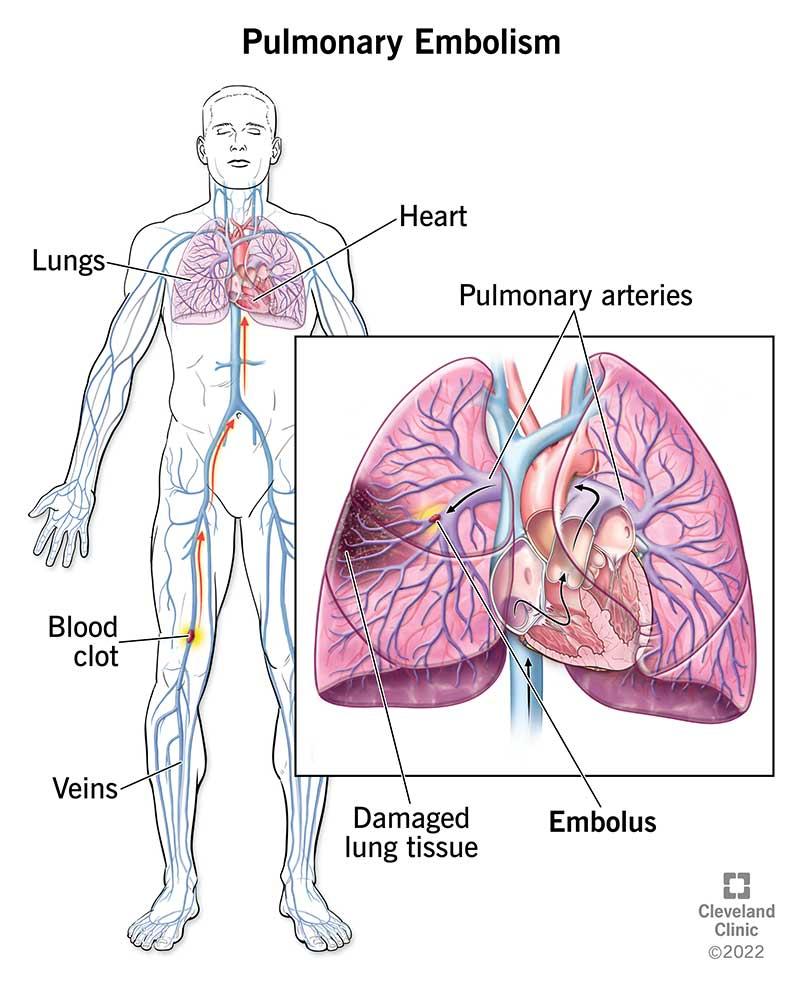
The correct answer is choice A. Shortness of breath and chest pain are signs of pulmonary embolism (PE), which is a life-threatening complication of deep vein thrombosis (DVT).DVT is a type of blood clot that can occur in the legs or arms, especially during pregnancy and postpartum.PE happens when a blood clot breaks off and travels to the lungs, blocking blood flow.
Choice B is wrong because nausea and vomiting are not specific signs of thromboembolism.
They can be caused by many other conditions, such as morning sickness, food poisoning, or medication side effects.
Choice C is wrong because headache and blurred vision are not typical signs of thromboembolism.
They can be associated with other pregnancy complications, such as preeclampsia or eclampsia.
Choice D is wrong because fever and chills are not common signs of thromboembolism.
They can indicate an infection or inflammation, such as mastitis or endometritis.
Pregnant women have a higher risk of developing DVT and PE because of hormonal changes, increased blood clotting factors, reduced blood flow to the legs, and other factors.The risk is even higher after a cesarean delivery.
Therefore, it is important to know the signs and symptoms of thromboembolism and seek immediate medical attention if they occur.Thromboembolism can be prevented and treated with anticoagulant medications, compression stockings, and physical activity.
Whether you are a student looking to ace your exams or a practicing nurse seeking to enhance your expertise , our nursing education contents will empower you with the confidence and competence to make a difference in the lives of patients and become a respected leader in the healthcare field.
Visit Naxlex, invest in your future and unlock endless possibilities with our unparalleled nursing education contents today