
The nurse recognizes that the most appropriate reason to suction a client is that:
suctioning once every eight hours is a part of routine pulmonary nursing care.
the physician has prescribed suctioning every hour.
the client has thick sputum, and routinely coughs and swallows his sputum.
the client has gurgling respirations, and is unable to cough.
The Correct Answer is D
Choice A rationale: Suctioning is not typically performed as part of routine pulmonary nursing care every eight hours. It is indicated based on the client's clinical need.
Choice B rationale: Suctioning frequency should be determined by the client's condition and physician's orders, not a fixed hourly schedule.
Choice C rationale: Routine coughing and swallowing of sputum do not necessarily warrant suctioning. Suctioning is indicated when the client is unable to manage secretions effectively.
Choice D rationale: Suctioning is appropriate when the client has gurgling respirations and is unable to cough effectively, indicating the need to clear the airway.
Nursing Test Bank
Naxlex Comprehensive Predictor Exams
Related Questions
Correct Answer is C
Explanation
Choice A rationale: Telling the nurse manager is not the first action; the immediate focus should be on the client's well-being.
Choice B rationale: Notifying the physician is important, but the immediate concern is addressing the client's condition.
Choice C rationale: Checking the client's blood pressure is the first action to assess the client's response to the medication error.
Choice D rationale: Filing an incident report is important for documenting the error but is not the immediate action in this situation.
Correct Answer is D
Explanation
Choice A rationale: The Trendelenberg position is not typically used for dyspnea; it involves placing the body in a supine position with the lower half tilted downward. Choice B rationale: The side-lying position is not typically used for dyspnea.
Choice C rationale: The supine position may worsen dyspnea, especially in individuals with respiratory distress.
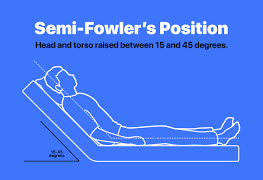
Choice D rationale: The semi-Fowler's position, with the head of the bed elevated, is often used to assist with breathing and improve oxygenation in clients with dyspnea.
Whether you are a student looking to ace your exams or a practicing nurse seeking to enhance your expertise , our nursing education contents will empower you with the confidence and competence to make a difference in the lives of patients and become a respected leader in the healthcare field.
Visit Naxlex, invest in your future and unlock endless possibilities with our unparalleled nursing education contents today