
The practical nurse (PN) reinforces client teaching in performing pursed lip breathing. The client returns the demonstration, as seen in the image. Which action should the PN take after observing this return demonstration?
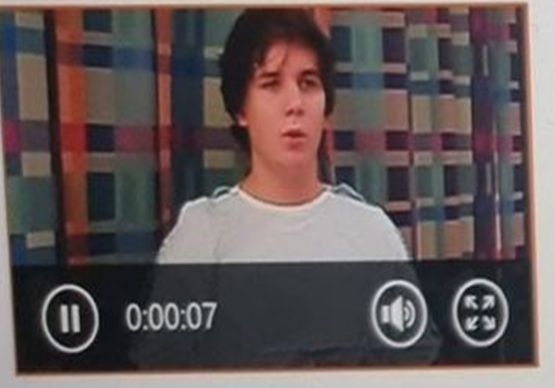
Confirm that the client is using the correct technique.
Review each step of the breathing technique with the client.
Demonstrate how to breathe in more slowly and effectively.
Remind the client to cough deeply to loosen secretions.
The Correct Answer is A
A. Confirm that the client is using the correct technique: Observing a return demonstration allows the PN to verify that the client can perform pursed-lip breathing correctly. Confirming proper technique ensures the client can use this method effectively to improve ventilation and control dyspnea.
B. Review each step of the breathing technique with the client: Reviewing steps is appropriate if the client demonstrates errors or uncertainty. If the demonstration is correct, repeated review is unnecessary and may not add value.
C. Demonstrate how to breathe in more slowly and effectively: Additional demonstration is only needed if the client’s technique is incorrect or inefficient. Unneeded repetition may cause confusion when the client is already performing correctly.
D. Remind the client to cough deeply to loosen secretions: While coughing can help clear secretions, it is not part of pursed-lip breathing instruction. Introducing unrelated techniques may distract from mastering the intended breathing method.
Nursing Test Bank
Naxlex Comprehensive Predictor Exams
Related Questions
Correct Answer is C
Explanation
A. Expressing anger with his roommate: While the client’s frustration should be addressed to maintain comfort and therapeutic rapport, anger does not pose an immediate physical risk. This concern can safely be managed after attending to clients with higher safety priorities.
B. Complaining of dried blood on gown: Dried blood may suggest mild oozing at a previous procedure site, but it is not an immediate emergency. The client should be assessed soon, but not before evaluating someone at risk of injury or active harm.
C. Attempting to get out of bed: A client with a history of falls attempting to ambulate unassisted faces immediate danger of physical injury. Fall prevention takes priority because it represents an urgent safety issue that can lead to fractures, head trauma, or internal bleeding if not promptly addressed.
D. Requesting pain medication: Pain management is important for client comfort and recovery, but it is a lower priority compared to preventing imminent physical harm. Once safety is ensured, pain control can be addressed appropriately.
Correct Answer is D
Explanation
A. Keep the door closed to the client's room at all times: Closing the door is not necessary for Clostridium difficile infection because the organism spreads primarily through contact with contaminated surfaces or feces, not via airborne transmission.
B. Wear a particulate respirator mask when in the room: A particulate respirator, such as an N95 mask, is required for airborne pathogens like tuberculosis, not for contact-spread organisms such as C. difficile. The infection requires strict handwashing with soap and water and the use of gloves and gowns during care.
C. Place a surgical mask on the client during transport: Surgical masks are used for clients with droplet or airborne infections, not for C. difficile. The focus should be on preventing environmental contamination and ensuring surfaces and hands are properly disinfected.
D. Don non-sterile gloves when performing direct care: Wearing non-sterile gloves during all direct care is essential because C. difficile spores are highly contagious and resistant to many disinfectants. Gloves protect the nurse from contact with infectious fecal matter and help prevent cross-contamination to other clients.
Whether you are a student looking to ace your exams or a practicing nurse seeking to enhance your expertise , our nursing education contents will empower you with the confidence and competence to make a difference in the lives of patients and become a respected leader in the healthcare field.
Visit Naxlex, invest in your future and unlock endless possibilities with our unparalleled nursing education contents today