
What is the primary function of melanocytes found in the epidermis?
Aid in temperature regulation
Provide elasticity to the skin
Replace damaged skin cells
Produce pigmentation for the skin
The Correct Answer is D
Choice A reason: Temperature regulation is primarily managed by the dermis through vasodilation and vasoconstriction of blood vessels, as well as the production of sweat by eccrine glands. While the skin as a whole is a thermoregulatory organ, melanocytes do not possess the physiological mechanisms to significantly influence the body's core or surface temperature.
Choice B reason: Elasticity is a mechanical property of the skin derived from the dermal matrix, specifically through the presence of elastin and collagen fibers produced by fibroblasts. Melanocytes are dendritic cells that reside in the basal layer; they do not contribute to the structural tensile strength or the elastic recoil of the integumentary system.
Choice C reason: The replacement of damaged skin cells is the responsibility of the basal keratinocytes, which undergo rapid mitosis to heal wounds and renew the epithelial layer. Melanocytes are relatively stable, long-lived cells that do not participate in the proliferative phase of wound healing or the general turnover of the stratified squamous epithelium.
Choice D reason: Melanocytes are specialized cells that synthesize melanin via the enzymatic oxidation of the amino acid tyrosine. This pigment is packaged into melanosomes and distributed to keratinocytes, providing the skin with its unique coloration. Melanin serves a critical protective role by absorbing ultraviolet radiation, thereby preventing actinic damage to the DNA of underlying skin cells.
Nursing Test Bank
Naxlex Comprehensive Predictor Exams
Related Questions
Correct Answer is B
Explanation
Choice A reason: Indoor tanning beds are not safe as they emit concentrated ultraviolet A and ultraviolet B radiation. This exposure significantly increases the risk of DNA damage in skin cells, leading to melanoma and non-melanoma skin cancers. Patients must be taught that artificial UV sources are as hazardous as natural sunlight.
Choice B reason: Chemical sunscreens require approximately 15 to 20 minutes to be fully absorbed into the stratum corneum to provide effective photoprotection. Applying it immediately before or after exposure leaves the skin vulnerable to radiation. This statement demonstrates the patient understands the correct pharmacological application timing for maximum ultraviolet protection.
Choice C reason: Ultraviolet radiation can damage ocular tissues and the periocular skin even on cloudy or overcast days. Constant use of sunglasses that filter 99% to 100% of UVA and UVB rays is necessary to prevent cataracts and macular degeneration. Limiting use to bright days shows an incomplete understanding.
Choice D reason: Sunscreen must be reapplied at least every 2 hours, regardless of activity, because the active ingredients break down over time when exposed to light. Furthermore, sweating and friction from clothing can remove the protective layer. Restricting reapplication only to post-swimming activities significantly increases the risk of solar erythema.
Correct Answer is B
Explanation
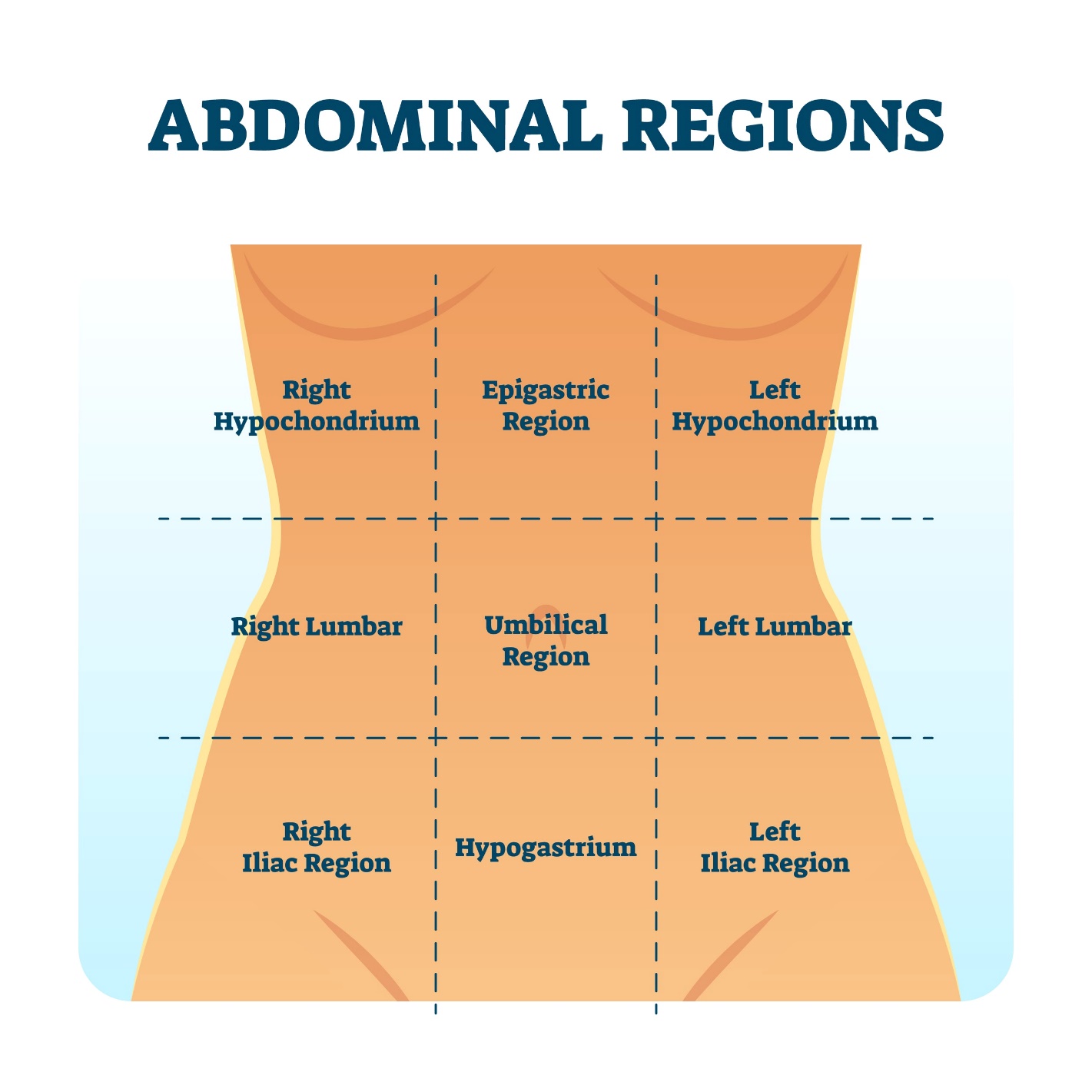
Choice A reason: Auscultation is the process of listening to sounds produced within the body, typically using a stethoscope. In an abdominal exam, it is used to assess bowel sounds and vascular bruits. It follows inspection but must precede percussion and palpation to ensure that bowel motility is not artificially stimulated.
Choice B reason: Inspection is the systematic visual observation of the patient, which is always the first step in a physical assessment. In the abdomen, the nurse inspects for contour, symmetry, skin integrity, pulsations, and the presence of striae or scars. This non-invasive step provides immediate clues regarding underlying pathology.
Shutterstock
Explore
Choice C reason: Percussion involves tapping the body surface to produce vibrations and sounds. This technique helps determine the density of underlying organs and the presence of fluid or gas. It is performed after inspection and auscultation to map out organ boundaries like the liver or spleen.
Choice D reason: Palpation is the use of touch to assess organ size, location, and the presence of tenderness or masses. It is the final step in the abdominal assessment sequence because deep pressure can alter bowel sounds and cause patient guarding, which would interfere with the accuracy of the preceding steps.
Whether you are a student looking to ace your exams or a practicing nurse seeking to enhance your expertise , our nursing education contents will empower you with the confidence and competence to make a difference in the lives of patients and become a respected leader in the healthcare field.
Visit Naxlex, invest in your future and unlock endless possibilities with our unparalleled nursing education contents today