
Which of the following hormones is responsible for regulating the body's metabolism and energy levels?
Estrogen.
Progestin.
Thyroxine.
Androgen.
The Correct Answer is C
Thyroxine (T4) is a hormone produced by the thyroid gland that controls your body’s metabolism, the process in which your body transforms the food you eat into energy.
Choice A, Estrogen, is not the correct answer because it is a hormone responsible for the development of female secondary sexual characteristics.
Choice B, Progestin, is not the correct answer because it is a synthetic form of progesterone used in hormonal birth control and hormone replacement therapy.
Choice D, Androgen, is not the correct answer because it is a hormone responsible for the development of male secondary sexual characteristics.
Nursing Test Bank
Naxlex Comprehensive Predictor Exams
Related Questions
Correct Answer is A
Explanation
The Golgi apparatus is a membrane-bound organelle that is responsible for transporting, modifying, and packaging proteins and lipids into vesicles for delivery to targeted destinations.
Choice B is incorrect because mitochondria are responsible for energy production.
Choice C is incorrect because ribosomes are responsible for protein production.
Choice D is incorrect because the endoplasmic reticulum is responsible for lipid production and protein production, but not for modifying, sorting and packaging proteins and lipids.
Correct Answer is D
Explanation
Atomic mass is very close to mass number but with some deviation in the decimal places.
Atomic mass is also known as atomic weight and is the weighted average mass of an atom of an element based on the relative natural abundance of that element’s isotopes.
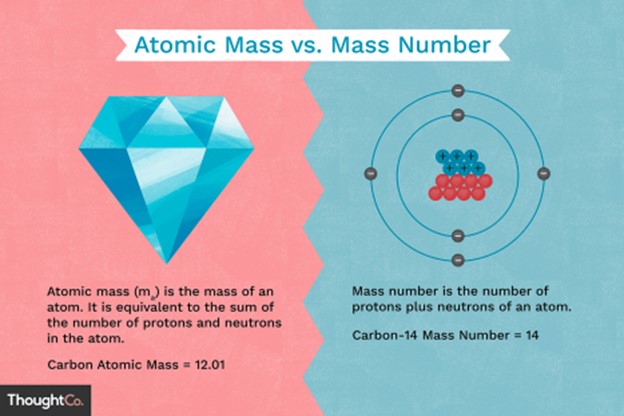
The mass number, on the other hand, is a count of the total number of protons and neutrons in an atom’s nucleus.
Choice A is incorrect because atomic mass and mass number do not mean the same thing.
Choice B is incorrect because atomic mass is not always greater than mass number.
Choice C is incorrect because atomic mass and mass number are related.
Whether you are a student looking to ace your exams or a practicing nurse seeking to enhance your expertise , our nursing education contents will empower you with the confidence and competence to make a difference in the lives of patients and become a respected leader in the healthcare field.
Visit Naxlex, invest in your future and unlock endless possibilities with our unparalleled nursing education contents today