
Which statement made by a patient during an initial assessment interview should serve as the priority focus for the plan of care?
"I hear evil voices that tell me to do bad things."
"I hate my family, they never support me."
"It seems like I always have bad luck."
"You never know who will turn against you."
The Correct Answer is A
Choice A reason: This statement indicates command hallucinations, which are a high-risk psychiatric emergency. The nurse must prioritize safety, as these voices may be instructing the patient to harm themselves or others. This requires immediate assessment of the "bad things" mentioned and implementation of safety protocols or 1:1 observation.
Choice B reason: Expressing hatred or lack of support from family indicates a problem with the patient's social support system and emotional regulation. While important for long-term discharge planning and family therapy, it does not represent an immediate threat to life or safety in the same way command hallucinations do.
Choice C reason: Attributing life events to "bad luck" suggests an external locus of control or a pessimistic cognitive distortion often seen in depression. While this should be addressed in cognitive-behavioral interventions, it is a low-priority concern compared to the acute physiological and safety risks of active psychosis.
Choice D reason: This statement reflects paranoia or hypervigilance, common in several psychiatric disorders. While it indicates a need for trust-building and perhaps antipsychotic medication, it is less urgent than command hallucinations, which suggest the patient may have already lost the ability to resist dangerous impulses or behaviors.
Nursing Test Bank
Naxlex Comprehensive Predictor Exams
Related Questions
Correct Answer is C
Explanation
Choice A reason: Aphasia refers to the loss of the ability to understand or express speech caused by brain damage. While the patient is struggling with names, the primary issue described is the failure to recognize the identity or function of objects, which is distinct from the motor or conceptual production of language.
Choice B reason: Anhedonia is a clinical term used to describe the inability to feel pleasure or a decreased interest in activities that were previously found enjoyable. It is a hallmark symptom of depression and some phases of schizophrenia, but it is unrelated to cognitive recognition of household objects.
Choice C reason: Agnosia is the inability to interpret sensory information and recognize objects, people, or sounds despite intact sensory organs. In Alzheimer's disease, this manifests as a patient looking at a common item like a telephone or pencil and being unable to identify what it is or its purpose.
Choice D reason: Apraxia is the loss of the ability to perform purposeful, learned movements or gestures, such as tying shoelaces or using a spoon, even though the patient has the physical desire and capacity to move. It is a motor planning deficit rather than a sensory recognition deficit.
Correct Answer is C
Explanation
Choice A reason: This statement is incorrect. Fetal Alcohol Syndrome (FAS) is specifically associated with very distinctive craniofacial abnormalities, including a smooth philtrum, thin upper lip, and short palpebral fissures. These physical markers are essential diagnostic features that help clinicians identify the condition in infants and children.
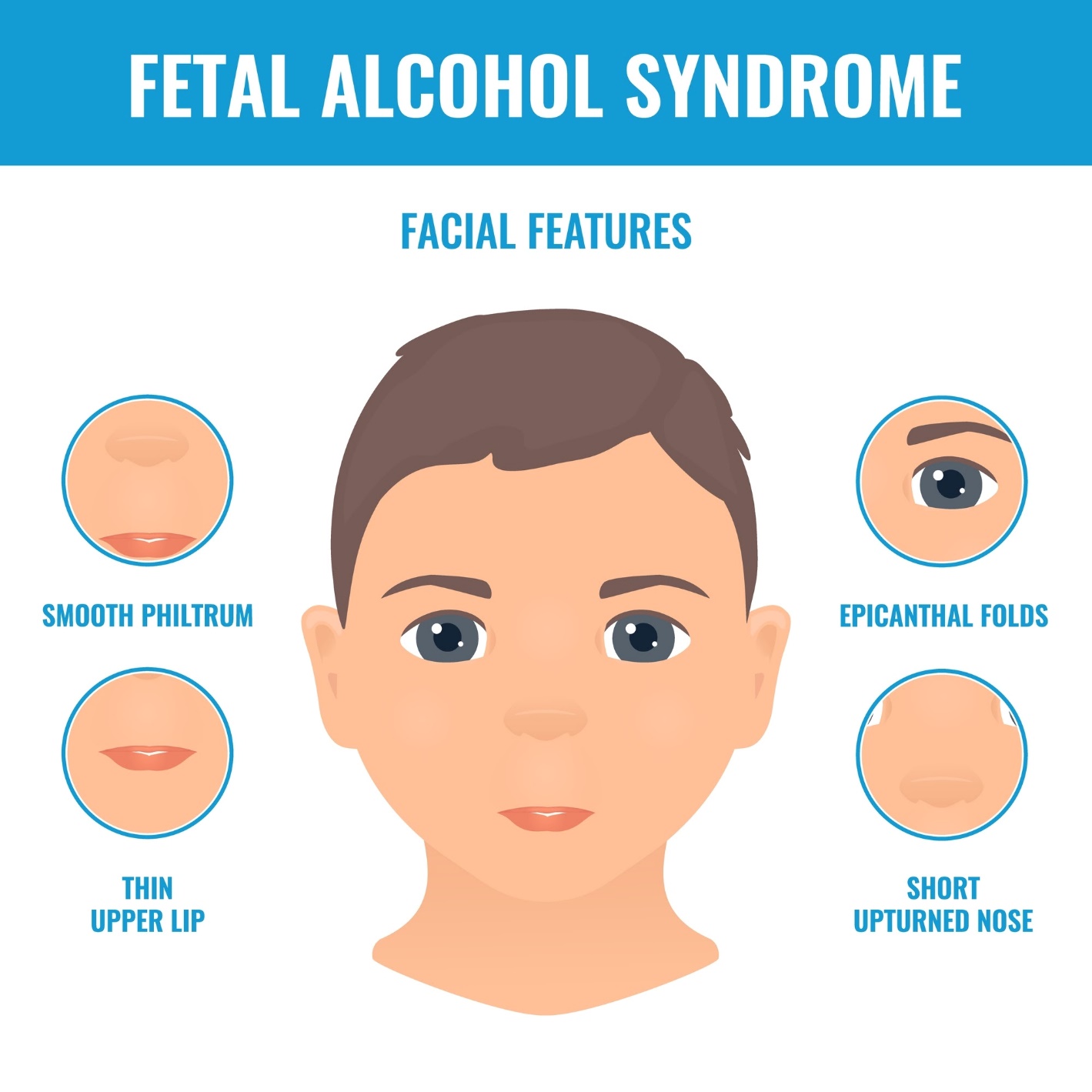
Choice B reason: While children with FAS certainly have social and communication difficulties, the "before 30 months" timeline is a diagnostic feature traditionally associated with Autism Spectrum Disorder (specifically the older criteria for Autistic Disorder). FAS deficits are lifelong and span multiple domains of cognitive and executive functioning.
Choice C reason: Fetal Alcohol Syndrome is 100% preventable because it is caused exclusively by the maternal ingestion of alcohol during pregnancy. If a person abstains from alcohol entirely during the gestational period, there is zero risk of the child developing the structural or neurodevelopmental deficits associated with FAS.
Choice D reason: FAS is a permanent, non-reversible condition. The damage caused by alcohol exposure in utero to the developing brain and central nervous system cannot be "cured" or reversed. Treatment focuses on managing symptoms, providing educational support, and helping the individual develop coping strategies to navigate their functional limitations.
Whether you are a student looking to ace your exams or a practicing nurse seeking to enhance your expertise , our nursing education contents will empower you with the confidence and competence to make a difference in the lives of patients and become a respected leader in the healthcare field.
Visit Naxlex, invest in your future and unlock endless possibilities with our unparalleled nursing education contents today