
Fluid Pressures/Movements (Starling's Law)
-
ECF and ICF fluid shifts occur related to changes in pressure within the compartments
-
Fluid flows only when there is a difference in pressure
-
Concentration of a solution determined by the number of dissolved particles per kilogram of water. Controls water movement and distribution in body fluid compartments (275-295mmol/L)
-
Diffusion
-
Osmosis
-
Filtration
-
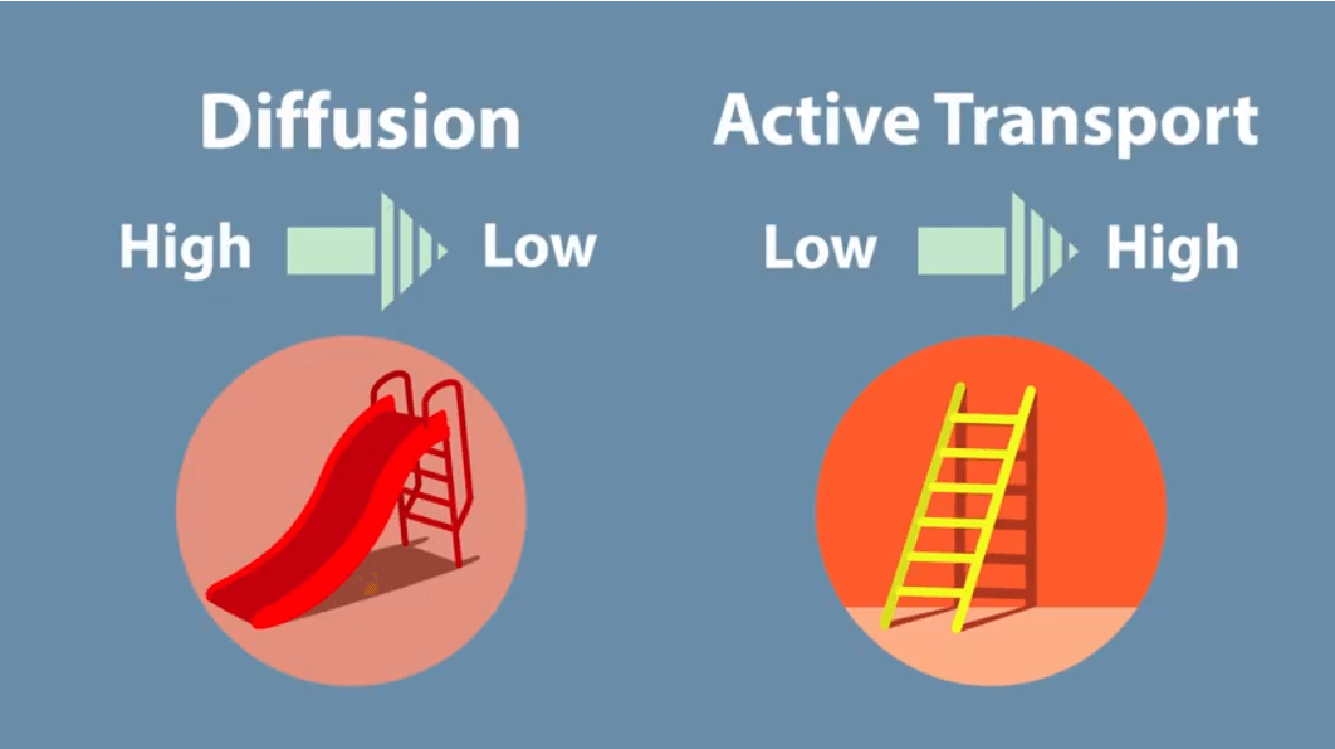
Active transport
-
Water move across a semi permeable membrane from an area of high solute concentration to one of lower solute concentration.
-
Movement of water across a semi permeable membrane from a less concentrated solution to a more concentrated solution thereby.
-
Fluids and solutes move together across a membrane from an area of higher pressure to an area of a lower pressure.
-
Movement of solutes across cell membranes from a less concentrated solution to a more concentrated solution.
-
Importance in maintaining the differences in sodium and potassium ion concentration of ECF and ICF.
-
Na+ concentration are higher in ECF and K+ concentrations are higher in ICF .
-
To maintain these proportions, an active transport mechanism (Na+- K+ pump) is activated.
Osmolality:
Movement of Body Fluids and Electrolytes Solutes (substances dissolved in a liquid)
Crystalloids (salts that dissolve readily into true solutions)
Colloids (substances such as large protein molecules that do not readily dissolve into true solutions)
Solvent (is the component of a solution that can dissolve a solute)
Materials are transported between cellular and extracellular spaces through several routes including:
Routes of Transport of Body Fluid Diffusion:
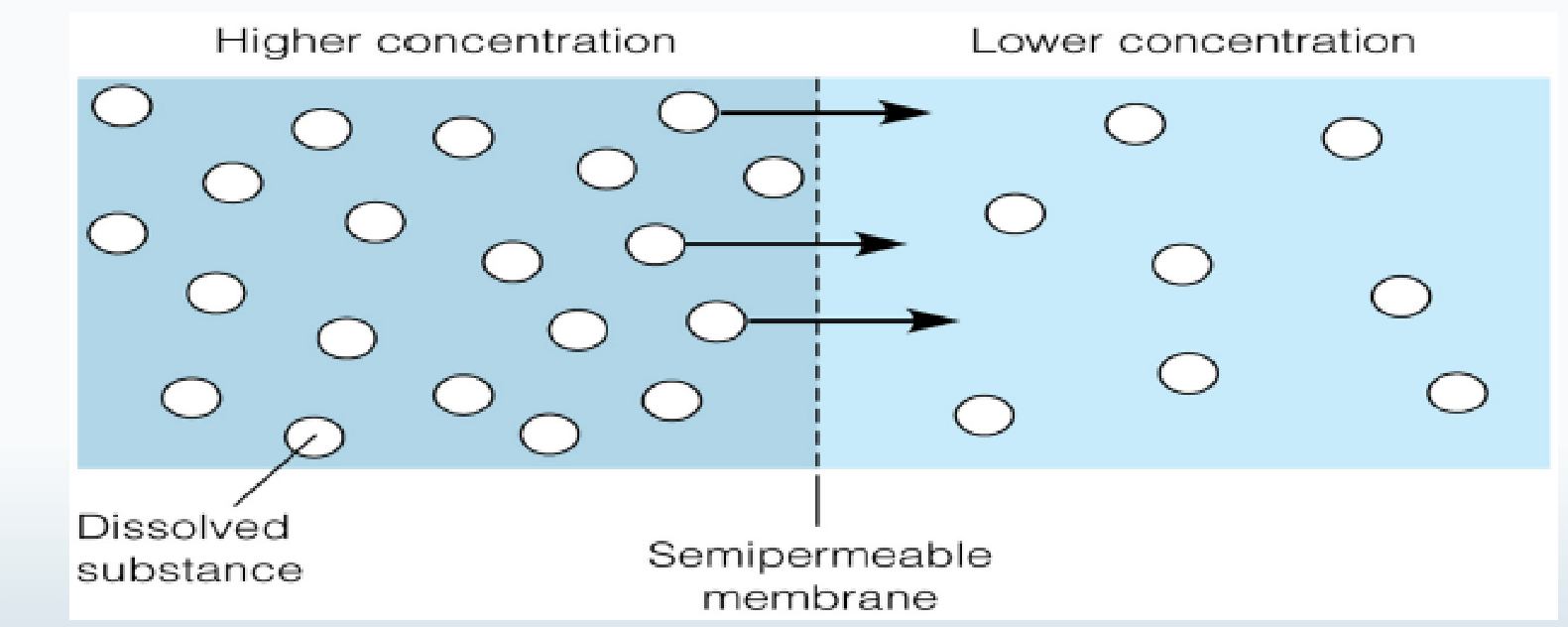
Osmosis:
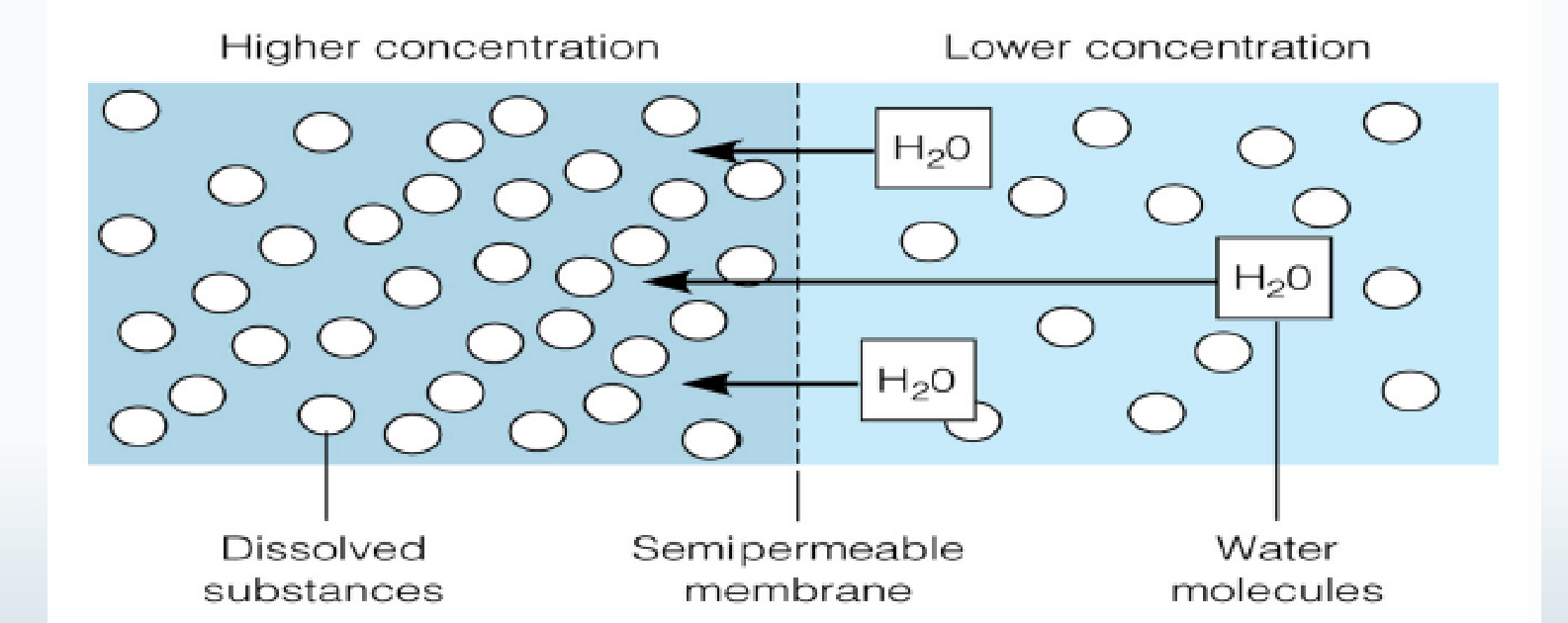
Filtration:
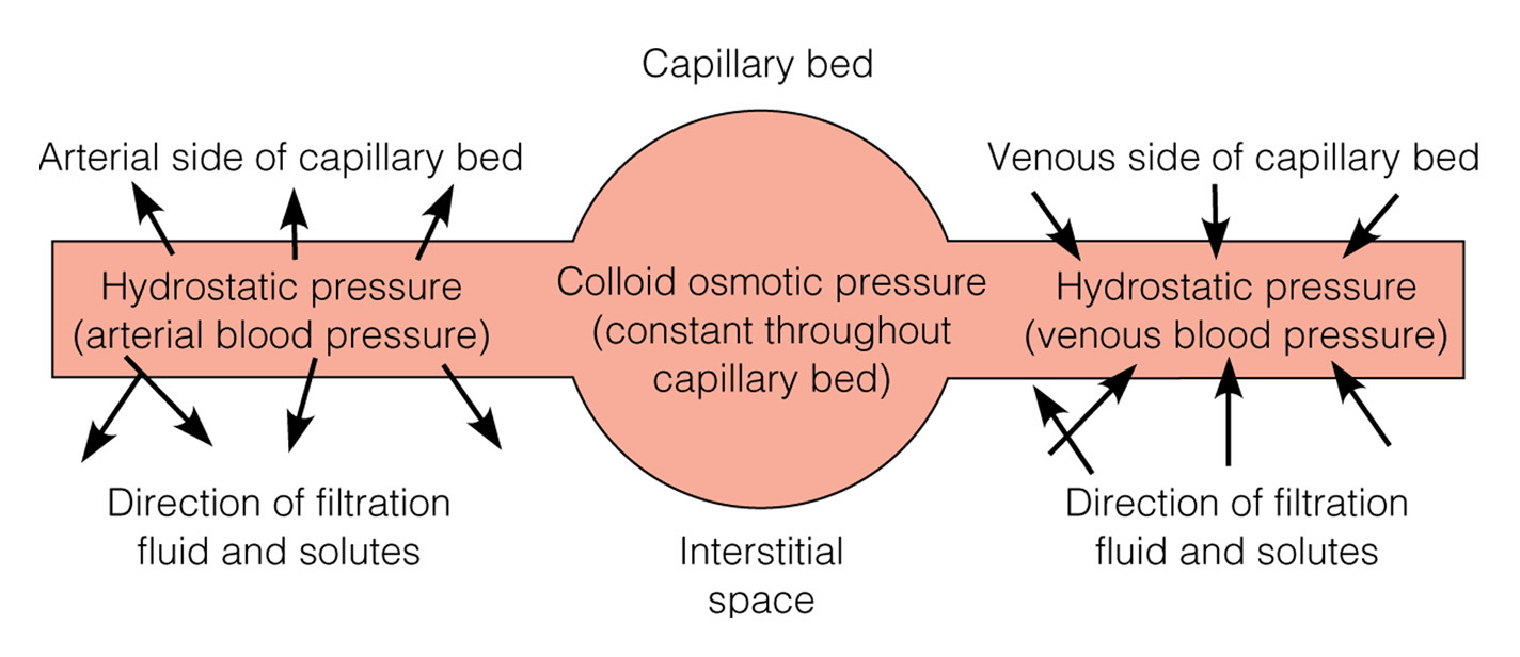
Active Transport:
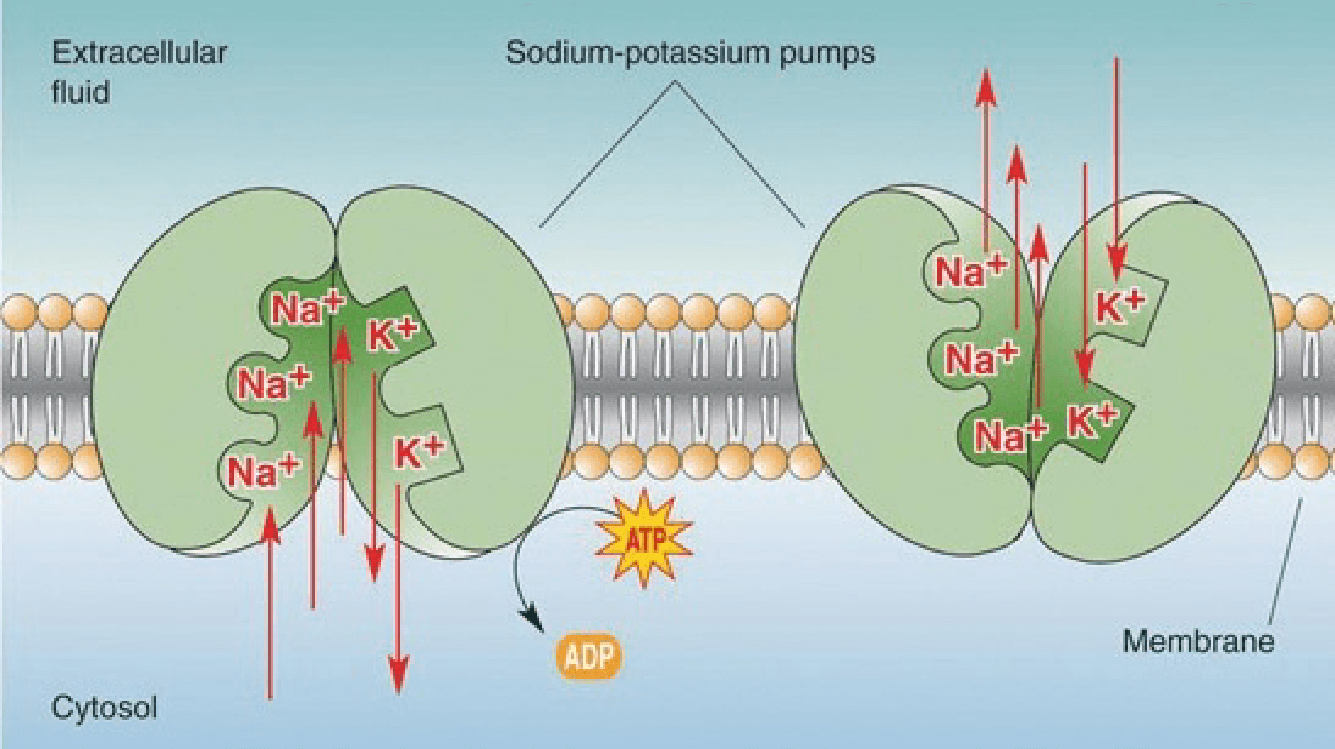
Diffusion vs Active Transport:
Nursing Test Bank
Naxlex Comprehensive Predictor Exams
Questions on Fluid Pressures/Movements (Starling's Law)