
Preterm birth
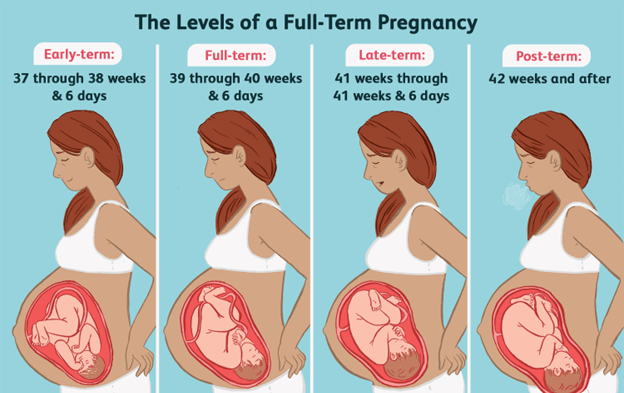
- Definition: Birth before 37 weeks of gestation
- Causes: Maternal infections, chronic diseases (e.g., hypertension, diabetes), multiple gestation (twins or more), placental problems (e.g., abruption, previa), cervical incompetence (weakness), preterm labor
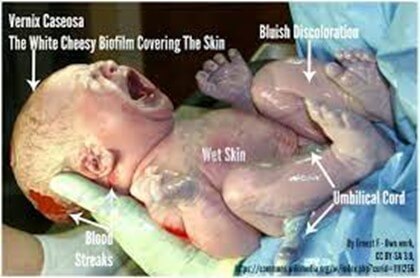
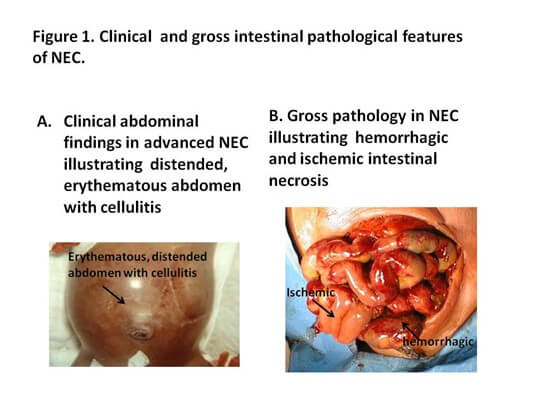
- Signs and symptoms: Low birth weight (<2500 g), small size for gestational age (SGA), immature appearance (e.g., lanugo hair, vernix caseosa coating), large head relative to body size, thin skin with visible blood vessels, poor muscle tone, respiratory distress syndrome (RDS), bronchopulmonary dysplasia (BPD), necrotizing enterocolitis (NEC), intraventricular hemorrhage (IVH), retinopathy of prematurity (ROP), patent ductus arteriosus (PDA), anemia, infection, hypothermia, hypoglycemia, hyperbilirubinemia
- Assessment: Determine gestational age using Ballard score; measure weight, length, head circumference; monitor vital signs and oxygen saturation; assess respiratory status using Silverman-Anderson index; observe for signs of distress or infection; perform laboratory tests as ordered (e.g., blood gas analysis, blood glucose level, bilirubin level); perform diagnostic tests as ordered (e.g., chest X-ray, cranial ultrasound, echocardiogram)
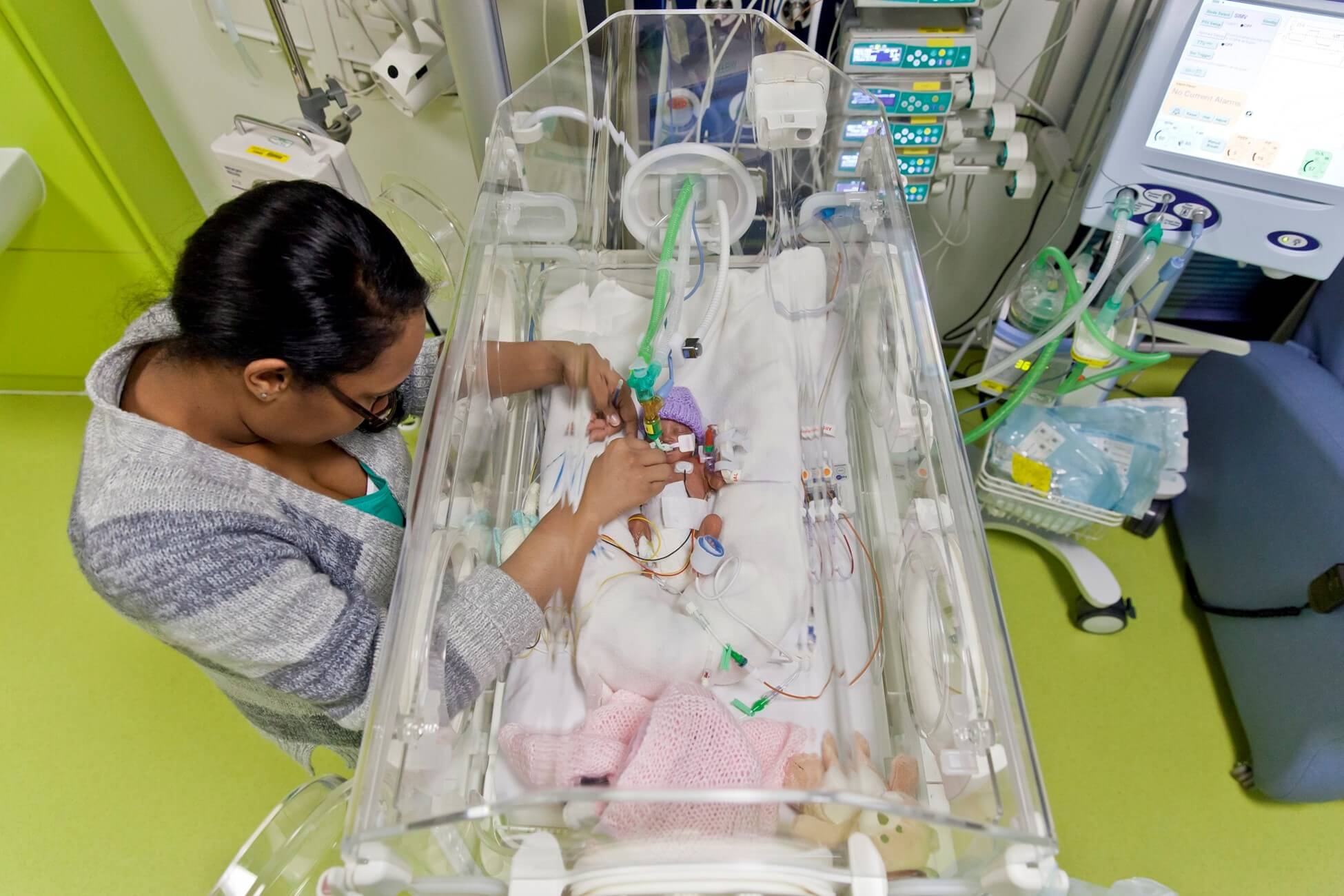
- Nursing interventions: Transfer the baby to neonatal intensive care unit (NICU) if needed; provide respiratory support as ordered (e.g., oxygen therapy, mechanical ventilation, surfactant administration); maintain thermoregulation by placing the baby in an incubator or under a radiant warmer; monitor fluid and electrolyte balance and administer IV fluids as ordered; provide nutrition support as ordered (e.g., parenteral nutrition, enteral feeding via nasogastric tube or gavage); prevent infection by using aseptic technique and hand hygiene; administer medications as ordered (e.g., antibiotics, steroids, indomethacin); provide developmental care by minimizing stimuli and promoting bonding; educate parents on preterm care and support them emotionally

Nursing Test Bank
Test Bank #1: RN Pharmacology Exams
Test Bank #2: RN Medical-Surgical Exams
Test Bank #3: RN Fundamentals Exams
Test Bank #4: RN Maternal-Newborn Exams
Test Bank #5: RN Anatomy and Physiology Exams
Test Bank #6: RN Obstetrics and Pediatrics Exams
Test Bank #7: RN Fluid and Electrolytes Exams
Test Bank #9: RN Adult Health
Test Bank #10: RN Dosage Calculation
Test Bank #11: RN Community Health Exams
Test Bank #12: RN Psychology Exams
Test Bank #13: RN Nursing Care Of Children
Test Bank #14: RN Foundations of Nursing Exams
Naxlex Comprehensive Predictor Exams
Exam #1: RN Comprehensive predictor 2023 proctored exam
Exam #2: Ati rn vati comprehensive predictor proctored exam
Exam #3: Ati Rn Comprehensive Predictor Proctored Exam 2023
Exam #4: Rn Comprehensive Predictor 2023 Proctored Exam - St. Joseph
Exam #5: RN Comprehensive Predictor Proctored Exam (National U CA San Diego)
Exam #6: Ati rn comprehensive predictor 2023 retake proctored exam
Exam #7: RN Hesi Exit Proctored Exam
Exam #8: Hesi RN Exit proctored exam
Exam #9: Hesi rn exit proctored exam
Exam #10: Hesi Rn compass exit B proctored exam
Questions on Preterm birth
Correct Answer is B
Explanation
Normal vital signs and neurological status do not reflect the effectiveness of phototherapy on bilirubin levels.
Normal ranges for serum bilirubin levels vary by age and risk factors, but generally they should be less than 15 mg/dL (257 μmol/L) for term newborns and less than 18 mg/dL (308 μmol/L) for preterm newborns.
Correct Answer is A
Explanation
<p>Glasses do not improve vision in ROP. Glasses can correct refractive errors such as nearsightedness or farsightedness, but they cannot fix the damage to the retina caused by ROP.</p>
Correct Answer is A
Explanation
<p>It does not measure the widest part of the head, which may be above or below the chin.</p>