
Cardiovascular Changes in Pregnancy
- The cardiovascular system undergoes significant changes to meet the increased metabolic demands of pregnancy and to ensure adequate blood supply to the uterus and placenta
- The main cardiovascular changes include:
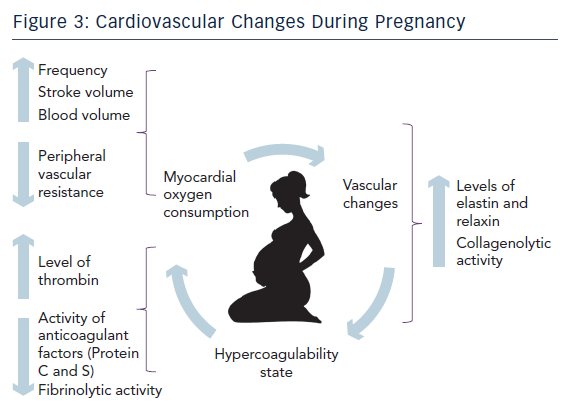
- Increased cardiac output: The amount of blood pumped by the heart per minute increases by 30% to 50% during pregnancy. This is due to increased stroke volume (the amount of blood pumped by the heart per beat) and increased heart rate (the number of beats per minute). The cardiac output peaks at 24 to 28 weeks of gestation and then declines slightly until term. The normal range of cardiac output in pregnancy is 4.5 to 6.5 L/min.
- Increased blood volume: The total amount of blood in the body increases by 40% to 50% during pregnancy. This is due to increased plasma volume (the liquid part of the blood) and increased red blood cell mass (the solid part of the blood). The plasma volume increases more than the red blood cell mass, resulting in a physiological anemia or hemodilution (a decrease in the concentration of hemoglobin and hematocrit). The normal range of hemoglobin in pregnancy is 11 to 14 g/dL and the normal range of hematocrit is 33% to 39%.
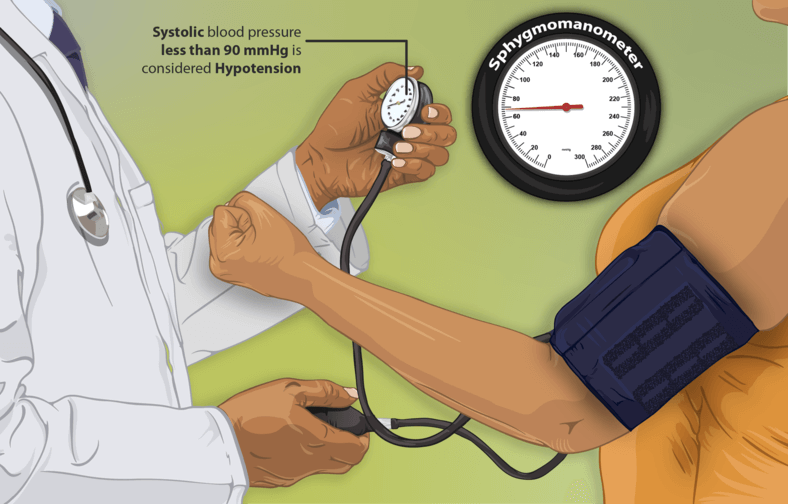
- Decreased blood pressure: The average blood pressure decreases by 10 mmHg during pregnancy. This is due to decreased peripheral vascular resistance (the resistance of the blood vessels to the flow of blood) caused by hormonal relaxation of smooth muscle and vasodilation (widening of blood vessels). The blood pressure reaches its lowest point at mid-pregnancy and then returns to pre-pregnancy levels by term. The normal range of blood pressure in pregnancy is less than 140/90 mmHg.
-
- Increased venous pressure: The pressure in the veins increases during pregnancy due to compression of the inferior vena cava (the large vein that carries blood from the lower body to the heart) by the gravid uterus (the enlarged uterus containing the fetus) and decreased venous tone (the elasticity of the veins). This leads to venous stasis (slowing or pooling of blood in the veins) and edema (swelling) of the lower extremities, vulva, and hemorrhoids. The risk of venous thromboembolism (blood clot formation in the veins) also increases during pregnancy due to hypercoagulability (increased tendency of blood to clot) caused by hormonal and fibrinolytic (clot-dissolving) changes.

Nursing Test Bank
Test Bank #1: RN Pharmacology Exams
Test Bank #2: RN Medical-Surgical Exams
Test Bank #3: RN Fundamentals Exams
Test Bank #4: RN Maternal-Newborn Exams
Test Bank #5: RN Anatomy and Physiology Exams
Test Bank #6: RN Obstetrics and Pediatrics Exams
Test Bank #7: RN Fluid and Electrolytes Exams
Test Bank #9: RN Adult Health
Test Bank #10: RN Dosage Calculation
Test Bank #11: RN Community Health Exams
Test Bank #12: RN Psychology Exams
Test Bank #13: RN Nursing Care Of Children
Test Bank #14: RN Foundations of Nursing Exams
Naxlex Comprehensive Predictor Exams
Exam #1: RN Comprehensive predictor 2023 proctored exam
Exam #2: Ati rn vati comprehensive predictor proctored exam
Exam #3: Ati Rn Comprehensive Predictor Proctored Exam 2023
Exam #4: Rn Comprehensive Predictor 2023 Proctored Exam - St. Joseph
Exam #5: RN Comprehensive Predictor Proctored Exam (National U CA San Diego)
Exam #6: Ati rn comprehensive predictor 2023 retake proctored exam
Exam #7: RN Hesi Exit Proctored Exam
Exam #8: Hesi RN Exit proctored exam
Exam #9: Hesi rn exit proctored exam
Exam #10: Hesi Rn compass exit B proctored exam
Questions on Cardiovascular Changes in Pregnancy
Correct Answer is A
Explanation
Human chorionic gonadotropin (hCG) is not directly involved in joint laxity, although it does have other effects on the musculoskeletal system, such as stimulating thyroid function and increasing fluid retention.
Correct Answer is A
Explanation
These levels are not abnormal enough to indicate hemolysis, which is a destruction of red blood cells. Hemolysis can cause severe anemia and jaundice in pregnancy and may be associated with infections, autoimmune disorders, or blood transfusions.