
Pathophysiology
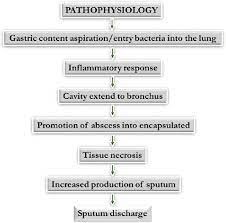
- The pathophysiology of pneumonia involves a series of events initiated by the inhalation of infectious agents, such as bacteria, viruses, fungi, or less commonly, parasites as outlined below:
- Inhalation of Pathogens: Pneumonia typically begins when infectious microorganisms are inhaled into the respiratory tract. These pathogens may be present in the environment or as part of the individual's normal respiratory flora.
- Alveolar Invasion: Once inside the lungs, the pathogens reach the alveoli, where they encounter the host's immune defenses. The alveoli are the primary sites for gas exchange, and their infection disrupts this crucial function.
- Immune Response: The host's immune system, including alveolar macrophages and neutrophils, responds to the invading pathogens. These immune cells attempt to engulf and neutralize the microbes through phagocytosis. Additionally, the immune system activates an inflammatory response.
- Inflammatory Response: The activation of immune cells and the release of pro-inflammatory cytokines, such as interleukin-1 (IL-1), interleukin-6 (IL-6), and tumor necrosis factor-alpha (TNF-α), result in the characteristic signs of pneumonia, including fever, localized chest pain, and an increase in white blood cells.
- Exudate Formation: The inflammatory response leads to the accumulation of exudate in the alveoli. This exudate consists of fluid, dead immune cells, and debris, impairing the normal exchange of oxygen and carbon dioxide. This is often referred to as consolidation.
- Impaired Gas Exchange: As the infection progresses, the exudate and inflammation cause the alveoli to become less compliant and filled with fluid, reducing their ability to participate in gas exchange. This results in hypoxemia, which can lead to respiratory distress and increased work of breathing.
- Consolidation and Alveolar Collapse: In severe cases, the alveolar walls may collapse, leading to a condition known as atelectasis. This further impairs gas exchange and can cause areas of the lung to become nonfunctional.
- Systemic Effects: Pneumonia can have systemic effects on the body. The release of pro-inflammatory cytokines and the presence of bacterial toxins in the bloodstream can lead to sepsis, a potentially life-threatening condition characterized by widespread inflammation, organ dysfunction, and shock.
- Resolution or Progression: The outcome of pneumonia can vary widely. In some cases, the immune system effectively clears the infection, and the lung tissue gradually heals. In others, the infection can progress, leading to complications such as lung abscesses, pleural effusion, or dissemination of the pathogen to other organs.
- Chronic Pneumonia: Chronic pneumonia may develop in cases where the initial infection is not adequately treated or in individuals with underlying lung conditions. Chronic pneumonia can lead to structural lung damage and fibrosis
Nursing Test Bank
Test Bank #1: RN Pharmacology Exams
Test Bank #2: RN Medical-Surgical Exams
Test Bank #3: RN Fundamentals Exams
Test Bank #4: RN Maternal-Newborn Exams
Test Bank #5: RN Anatomy and Physiology Exams
Test Bank #6: RN Obstetrics and Pediatrics Exams
Test Bank #7: RN Fluid and Electrolytes Exams
Test Bank #9: RN Adult Health
Test Bank #10: RN Dosage Calculation
Test Bank #11: RN Community Health Exams
Test Bank #12: RN Psychology Exams
Test Bank #13: RN Nursing Care Of Children
Test Bank #14: RN Foundations of Nursing Exams
Naxlex Comprehensive Predictor Exams
Exam #1: RN Comprehensive predictor 2023 proctored exam
Exam #2: Ati rn vati comprehensive predictor proctored exam
Exam #3: Ati Rn Comprehensive Predictor Proctored Exam 2023
Exam #4: Rn Comprehensive Predictor 2023 Proctored Exam - St. Joseph
Exam #5: RN Comprehensive Predictor Proctored Exam (National U CA San Diego)
Exam #6: Ati rn comprehensive predictor 2023 retake proctored exam
Exam #7: RN Hesi Exit Proctored Exam
Exam #8: Hesi RN Exit proctored exam
Exam #9: Hesi rn exit proctored exam
Exam #10: Hesi Rn compass exit B proctored exam
Questions on Pathophysiology
Correct Answer is C
Explanation
Incorrect. Allergic reactions can lead to respiratory symptoms, but they are not the primary cause of pneumonia.
Correct Answer is C
Explanation
Incorrect. Pneumonia primarily affects the respiratory system, not the digestive system.
Correct Answer is B
Explanation
Incorrect. Stopping antibiotics early does not reduce the risk of side effects; it increases the risk of treatment failure and antibiotic resistance.
Correct Answer is C
Explanation
Incorrect. Pneumonia is a respiratory condition and does not primarily affect the cardiovascular system.
Correct Answer is B
Explanation
Incorrect. While oxygen therapy can support recovery, it does not speed up the recovery process on its own.
Correct Answer is D
Explanation
Correct. In pneumonia, infection and inflammation of the air sacs (alveoli) in the lungs are key features of the pathophysiology.
Correct Answer is C
Explanation
Incorrect. Smoking and alcohol use can increase the risk of pneumonia, especially when they weaken the respiratory and immune systems.
Correct Answer is A
Explanation
Incorrect. Coughing and deep breathing exercises are beneficial for maintaining lung function and preventing complications in clients with pneumonia.
Correct Answer is B
Explanation
Incorrect. Pneumonia is not solely a hereditary condition but is primarily caused by infectious agents.
Correct Answer is B
Explanation
Incorrect. Fatigue in pneumonia may persist until the infection is effectively treated and the body's energy levels are restored.
Correct Answer is B
Explanation
Incorrect. While a lung tumor can cause abnormal breath sounds, decreased breath sounds in the context of suspected pneumonia are more likely related to the infection.
Correct Answer is D
Explanation
Correct. Collecting sputum helps confirm the diagnosis of pneumonia and provides information about the severity and causative pathogen.
Correct Answer is B
Explanation
Incorrect. Complete bed rest and avoiding all physical activities are generally not recommended for pneumonia recovery but should be guided by healthcare provider recommendations.
Correct Answer is C
Explanation
Incorrect. Blood clots in the lung arteries are associated with pulmonary embolism, not pneumonia.
Correct Answer is D
Explanation
Correct. Monitoring urine color and aiming for pale yellow is a practical approach to ensuring adequate hydration.
Correct Answer is D
Explanation
Correct. A sputum culture is essential for identifying the specific bacteria or pathogen causing pneumonia, which helps guide antibiotic treatment.
Correct Answer is B
Explanation
Incorrect. Pneumonia does impact the exchange of oxygen and carbon dioxide in the lungs, as it affects the function of the alveoli.
Correct Answer is D
Explanation
Correct. Smoking, chronic lung conditions (e.g., COPD), and a weakened immune system are significant risk factors for pneumonia.