
Understanding Chronic Illnesses
- Chronic illnesses are influenced by multiple factors, such as genetics, environment, lifestyle, behavior, culture, socioeconomic status, etc.
- Chronic illnesses have different trajectories and stages, such as stable, acute exacerbation, progressive deterioration, terminal phase, etc.
- Chronic illnesses have various effects on patients' physical, psychological, social, and spiritual well-being
- Patients with chronic illnesses experience different responses and coping mechanisms, such as denial, anger, depression, acceptance, adaptation, etc.
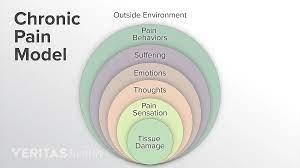
- Patients with chronic illnesses have diverse needs and preferences for information, education, support, and decision making
Nursing Test Bank
Test Bank #1: RN Pharmacology Exams
Test Bank #2: RN Medical-Surgical Exams
Test Bank #3: RN Fundamentals Exams
Test Bank #4: RN Maternal-Newborn Exams
Test Bank #5: RN Anatomy and Physiology Exams
Test Bank #6: RN Obstetrics and Pediatrics Exams
Test Bank #7: RN Fluid and Electrolytes Exams
Test Bank #9: RN Adult Health
Test Bank #10: RN Dosage Calculation
Test Bank #11: RN Community Health Exams
Test Bank #12: RN Psychology Exams
Test Bank #13: RN Nursing Care Of Children
Test Bank #14: RN Foundations of Nursing Exams
Naxlex Comprehensive Predictor Exams
Exam #1: RN Comprehensive predictor 2023 proctored exam
Exam #2: Ati rn vati comprehensive predictor proctored exam
Exam #3: Ati Rn Comprehensive Predictor Proctored Exam 2023
Exam #4: Rn Comprehensive Predictor 2023 Proctored Exam - St. Joseph
Exam #5: RN Comprehensive Predictor Proctored Exam (National U CA San Diego)
Exam #6: Ati rn comprehensive predictor 2023 retake proctored exam
Exam #7: RN Hesi Exit Proctored Exam
Exam #8: Hesi RN Exit proctored exam
Exam #9: Hesi rn exit proctored exam
Exam #10: Hesi Rn compass exit B proctored exam
Questions on Understanding Chronic Illnesses
Correct Answer is A
Explanation
<p>This is an incorrect intervention, as forceful coughing can increase airway resistance, cause bronchospasm, and increase dyspnea in clients with COPD. A more effective coughing technique is to use huff coughing, which involves exhaling forcefully through an open mouth while making a "huff" sound.</p>
Correct Answer is D
Explanation
<p>Disequilibrium syndrome is a neurological complication of hemodialysis that occurs when the rate of solute removal from the blood exceeds the rate of solute removal from the brain, creating an osmotic gradient that causes fluid to shift into the brain cells, resulting in cerebral edema. Symptoms of disequilibrium syndrome include headache, nausea, vomiting, restlessness, confusion, and seizures. It usually occurs during or shortly after the first few dialysis sessions or when there is a large decrease in blood urea nitrogen (BUN) levels.</p>