
A client whose first child was delivered by cesarean section is 20 weeks pregnant with her second child and wishes to have a vaginal birth after cesarean (VBAC). What information is most important for the practical nurse (PN) to obtain?
Client's intent regarding breastfeeding of the newborn.
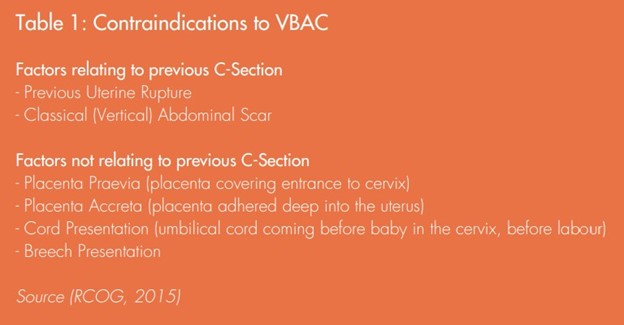
The type of uterine incision used for previous birth.
History of contracting Herpes simplex virus.
Religious preference of the client's family.
The Correct Answer is B
Knowing the type of uterine incision from the previous cesarean section is crucial when considering the option of vaginal birth after cesarean (VBAC). The type of incision can provide important insights into the potential risks and complications associated with a trial of labor.
Specifically, a low transverse uterine incision is considered the most favorable for VBAC, as it has a lower risk of uterine rupture compared to other types of incisions, such as a classical or vertical incision.
A. While information about the client's intent regarding breastfeeding of the newborn is important for providing appropriate support and education, it does not have a direct impact on the decision-making process for VBAC.
C. A history of contracting Herpes simplex virus is relevant to the client's overall health and may have implications for the management of the pregnancy, but it is not directly related to the decision regarding VBAC.
D. The religious preference of the client's family, while important for respecting cultural and spiritual beliefs, does not have a direct impact on the decision-making process for VBAC.
Nursing Test Bank
Naxlex Comprehensive Predictor Exams
Related Questions
Correct Answer is D
Explanation
When the PN witnesses a situation where a resident is shouting profanities and a staff member (UAP) responds inappropriately, the immediate priority is to ensure the safety and well-being of the resident. It is essential to address the situation promptly and prevent further escalation.
Entering the room and instructing the UAP to leave immediately serves several purposes:
1. Protecting the resident: Removing the UAP from the room ensures that the resident is not subjected to further conflict or distress.
2. Maintaining a calm and therapeutic environment: By addressing the disruptive behavior and removing the staff member involved, the PN can help restore a peaceful environment for the resident and other individuals in the facility.
3. Ensuring professional conduct: Shouting and engaging in unprofessional behavior is not acceptable in a healthcare setting. By immediately intervening and directing the UAP to leave the room, the PN reinforces the importance of maintaining a respectful and professional approach to caregiving.
After addressing the immediate concern, the PN should follow up by reporting the incident and providing a detailed account to the nurse manager or supervisor. This allows for appropriate action to be taken, such as further investigation or disciplinary measures if necessary.
The other options mentioned are not the first actions to be taken in this situation:
A. Reporting the incident and the UAP for further action by the nurse manager: While reporting the incident is important, it is not the immediate action required to address the situation in
real-time.
B. Telling both of them to lower their voices in consideration of other residents: While promoting a calm environment is important, addressing the issue of shouting and unprofessional behavior takes precedence over requesting a volume reduction.
C. Telling the resident and the UAP that shouting is not permitted: While it is essential to communicate the expectations of behavior, the immediate focus should be on removing the staff member from the situation and ensuring the resident's well-being.
Correct Answer is A
Explanation
The client's statements suggest significant distress, feelings of being a burden, and a sense of hopelessness related to their obsessive-compulsive disorder (OCD). Given the severity of these statements, it is crucial for the PN to assess the client's risk of suicide or self-harm. Asking directly about suicidal thoughts or considering suicide as an option allows the PN to evaluate the immediate safety of the client and take appropriate actions to ensure their well-being.
While the other options may also provide relevant information, they are not as critical as assessing the client's risk of suicide.
B. Questioning about which rituals are most often used to reduce anxiety can help gather information about the client's specific OCD symptoms and coping mechanisms.
C. Determining what makes the client think people are laughing can provide insight into their perception of how others view them, but it may not address the immediate risk of harm.
D. Asking about the impact of obsessions and compulsions on sleep can help assess the client's overall functioning, but it does not address the immediate risk of suicide.
Whether you are a student looking to ace your exams or a practicing nurse seeking to enhance your expertise , our nursing education contents will empower you with the confidence and competence to make a difference in the lives of patients and become a respected leader in the healthcare field.
Visit Naxlex, invest in your future and unlock endless possibilities with our unparalleled nursing education contents today