
A client with aplastic anemia is transitioning to take control of their care. The nurse notes the client's need for immunosuppressive medication and emphasizes the importance of understanding this medication and potential complications. What statement by the client indicates a need for further teaching about the medication?
I will promptly report any signs of infection or unusual bruising
I will practice good hand hygiene to prevent infections
I will increase my exposure to sunlight for better absorption of the medication
I will avoid crowds and individuals who are sick
The Correct Answer is C
Choice A reason: Aplastic anemia leads to pancytopenia, which includes leukopenia and thrombocytopenia. Patients must be vigilant for signs of infection or bleeding. Reporting these findings promptly is a correct understanding of the necessary self-management, as it allows for early clinical intervention to prevent life-threatening complications.
Choice B reason: Hand hygiene is the most fundamental and effective measure to prevent the transmission of infectious pathogens. Given that immunosuppressive medication further reduces the client's already compromised immune response, maintaining strict aseptic precautions is essential for patient safety, confirming the client has learned this vital concept correctly.
Choice C reason: This statement indicates a significant knowledge deficit. Immunosuppressive medications do not require sunlight for absorption. Furthermore, many immunosuppressants increase the risk of photosensitivity and secondary skin malignancies. Encouraging sun exposure is dangerous advice and demonstrates that the client requires immediate, intensive re-education regarding medication safety and side effects.
Choice D reason: Avoiding crowds and sick individuals is a critical protective measure for a patient with a suppressed immune system. This practice minimizes exposure to environmental pathogens that the client cannot effectively fight. This statement reflects a correct understanding of the protective isolation principles taught by the nursing staff.
Nursing Test Bank
Naxlex Comprehensive Predictor Exams
Related Questions
Correct Answer is A
Explanation
Choice A reason: Sublingual nitroglycerin is designed for rapid absorption through the highly vascular oral mucosa. Placing the tablet under the tongue and allowing it to dissolve without chewing or swallowing ensures direct systemic entry, bypassing the hepatic first-pass effect, which provides rapid relief of ischemic chest pain.
Choice B reason: Nitroglycerin sublingual tablets are intended for immediate action. If they take 10 minutes to work, the administration technique is likely incorrect. These tablets should provide relief within 1 to 5 minutes; if no relief occurs after one dose, emergency protocols should be initiated.
Choice C reason: Headache is the most common side effect of nitrates due to systemic vasodilation, including dilation of cerebral vessels. It is generally expected and does not necessitate stopping the medication, although the nurse should advise the client that it may occur.
Choice D reason: Taking nitroglycerin prophylactically before physical activity or situations known to trigger angina is a valid clinical recommendation for many clients. Educating the client to take it prior to such events can help prevent the onset of ischemic pain by dilating coronary arteries beforehand.
Correct Answer is ["E","F"]
Explanation
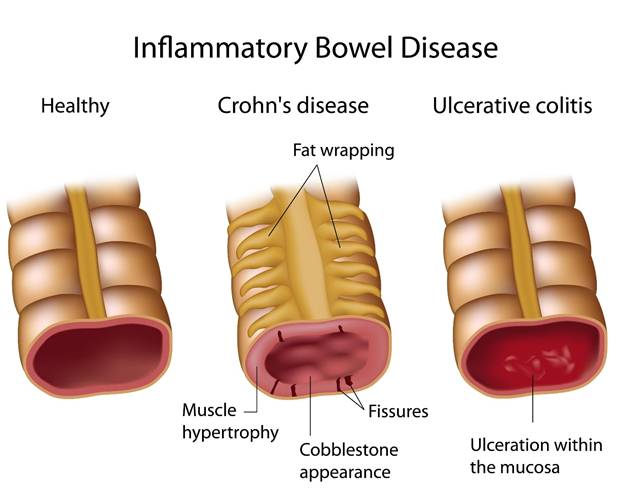
Choice A reason: Weight gain is not expected in severe ulcerative colitis. Instead, these clients typically experience significant weight loss due to malnutrition, decreased oral intake secondary to abdominal pain, and the malabsorptive nature of chronic intestinal inflammation.
Choice B reason: While dehydration can occur due to diarrhea, extreme thirst is not a specific diagnostic manifestation of ulcerative colitis. Dehydration is usually addressed by monitoring for fluid volume deficit rather than identifying extreme thirst as a defining symptom of this disease.
Choice C reason: Esophageal ulcers are not associated with ulcerative colitis. Ulcerative colitis is a disease process specifically limited to the mucosa and submucosa of the colon and rectum, whereas Crohn's disease can affect any part of the gastrointestinal tract, including the esophagus.
Choice D reason: Perianal fistulas are a hallmark complication of Crohn's disease, not ulcerative colitis. In ulcerative colitis, inflammation is continuous and superficial, primarily affecting the mucosal layer, and does not typically result in the deep, transmural fistulizing processes seen in Crohn's disease.
Choice E reason: Rectal bleeding is a classic sign of ulcerative colitis. The inflammation and ulceration of the colonic and rectal mucosa lead to friable tissue that bleeds easily. The presence of bright red blood per rectum is a common and expected clinical finding during an acute exacerbation of the disease.
Choice F reason: Bloody diarrhea is a primary clinical manifestation of ulcerative colitis. The inflammatory process causes the mucosal lining of the colon to slough off, leading to frequent, liquid stools that contain blood, mucus, and pus. This is a direct consequence of the extensive mucosal ulceration.
Choice G reason: Constipation is not an expected finding. The underlying pathophysiology involves hypermotility and inflammation, which produces diarrhea rather than slowing transit time.
Whether you are a student looking to ace your exams or a practicing nurse seeking to enhance your expertise , our nursing education contents will empower you with the confidence and competence to make a difference in the lives of patients and become a respected leader in the healthcare field.
Visit Naxlex, invest in your future and unlock endless possibilities with our unparalleled nursing education contents today