
A client with diabetes mellitus type 2 has been well controlled on metformin. The client is scheduled for a magnetic resonance imaging (MRI) scan with contrast. What priority nurse takes at this time?
Assess the client's blood urea nitrogen and creatinine.
Ask the client if he or she is taking antibiotics.
Withhold the client's metformin for 48 hours.
Teach the client about the purpose of the MRI.
The Correct Answer is A
Choice A reason: Before any procedure involving intravenous contrast, the nurse must assess the client's baseline renal function. Contrast media is nephrotoxic, and metformin is excreted by the kidneys. If renal function is impaired (indicated by elevated BUN or creatinine), the risk of contrast-induced nephropathy and subsequent metformin-associated lactic acidosis increases significantly.
Choice B reason: While knowing a patient's medication history is important, antibiotics do not have the same critical interaction with MRI contrast media as metformin does. The priority is identifying risk factors for renal failure or metabolic acidosis, which are directly related to the combination of contrast agents and the patient's current diabetic therapy.
Choice C reason: While metformin is generally withheld for 48 hours after the administration of contrast media, the "priority" action before the scan is to assess if the kidneys can handle the contrast in the first place. The decision to withhold the medication is based on the laboratory results obtained during the initial assessment.
Choice D reason: Patient education regarding the purpose of the MRI is a standard nursing responsibility, but it is not the priority safety action. Ensuring the patient does not experience acute renal failure or a life-threatening acid-base imbalance due to contrast exposure takes precedence over general procedural teaching.
Nursing Test Bank
Naxlex Comprehensive Predictor Exams
Related Questions
Correct Answer is A
Explanation
Choice A reason: Adalimumab (Humira) is a monoclonal antibody that is administered via subcutaneous injection, typically once every two weeks. It is not an oral medication taken daily with meals. This statement indicates a fundamental misunderstanding of the route and frequency of the drug administration, requiring immediate correction and retraining.
Choice B reason: Gastrointestinal upset, including nausea and vomiting, are documented side effects of many biologic therapies, including TNF inhibitors. While not the most common side effect (injection site reactions are more frequent), it is an accurate statement reflecting potential adverse reactions the client might experience during therapy.
Choice C reason: Adalimumab is an immunosuppressant that increases the risk of serious infections. Clients must be taught to avoid exposure to pathogens, which includes avoiding large crowds where viral or bacterial transmission is more likely. This statement demonstrates that the client correctly understands their increased susceptibility to illness while on this medication.
Choice D reason: Hand hygiene is a critical component of infection prevention for any immunocompromised patient. Regular handwashing, especially after contact with animals or being in public spaces, is a necessary behavioral modification. This statement shows that the client understands the practical steps needed to protect their health during treatment.
Correct Answer is D
Explanation
Choice A reason: Monitoring intake and output is a necessary part of caring for a client with renal impairment and oliguria (defined as less than 400 mL/day). However, this is a passive observation. It does nothing to address the immediate, life-threatening risk posed by a potassium level of 6.5 mEq/L, which can cause sudden cardiac arrest.
Choice B reason: Dietary teaching is an important long-term intervention for managing chronic hyperkalemia and renal insufficiency. However, in an acute situation where the potassium is dangerously elevated (6.5 mEq/L is considered severe hyperkalemia), education is not an appropriate priority. The patient requires immediate medical intervention to shift or remove potassium from the blood.
Choice C reason: Redrawing the lab might be considered if hemolyzed blood was suspected, but with a creatinine of 2 mg/dL and low urine output, the potassium level is highly plausible. Delaying treatment to verify a result when the patient is in a high-risk category for renal-induced hyperkalemia is unsafe and delays life-saving care.
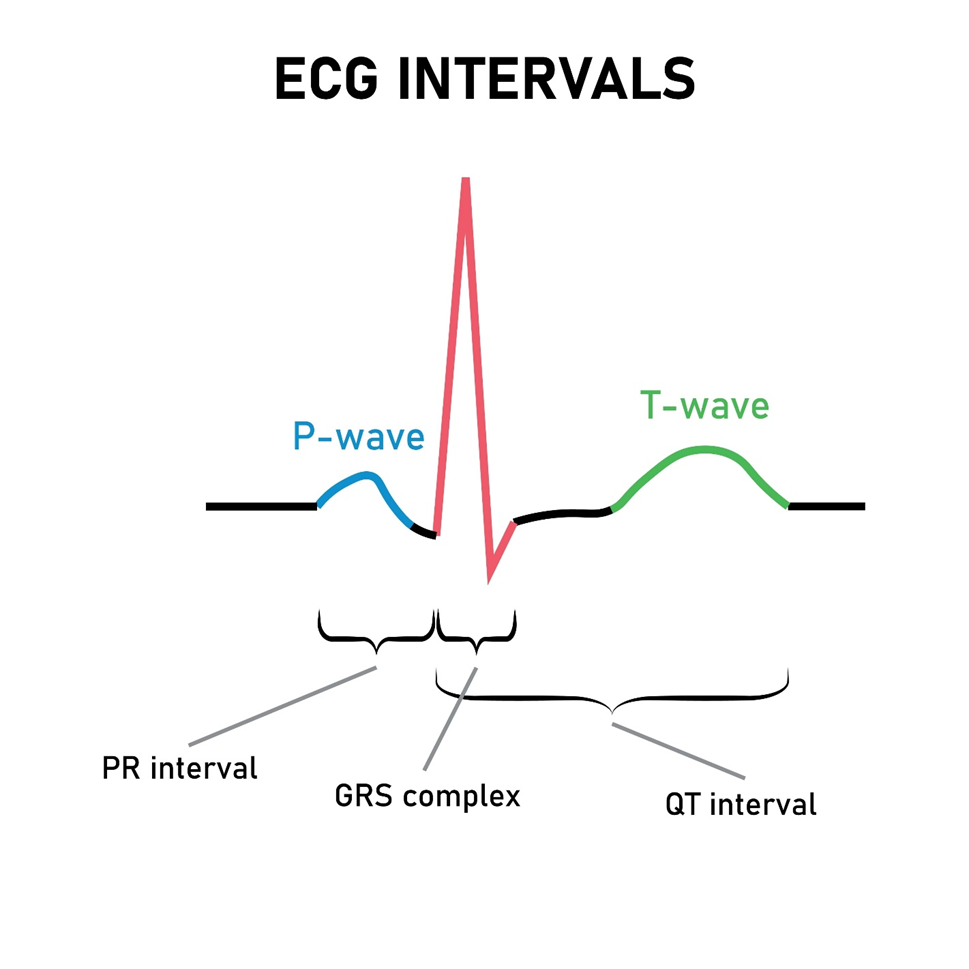
Choice D reason: Hyperkalemia directly affects the electrical conduction of the heart, potentially leading to peaked T-waves, widened QRS complexes, and ventricular fibrillation. The nurse’s priority is to monitor the cardiac rhythm to detect these lethal changes instantly while preparing for emergency treatments like calcium gluconate, insulin with dextrose, or dialysis.
Whether you are a student looking to ace your exams or a practicing nurse seeking to enhance your expertise , our nursing education contents will empower you with the confidence and competence to make a difference in the lives of patients and become a respected leader in the healthcare field.
Visit Naxlex, invest in your future and unlock endless possibilities with our unparalleled nursing education contents today