
A membrane carrier structure attracts a solute to a binding site, changes shape, and releases the solute on the other side of the cell membrane. This describes the process of:
endocytosis.
the sodium and potassium pump.
channel-mediated transport.
carrier-mediated transport.
The Correct Answer is D
A. endocytosis: This involves the cell membrane folding inward to form a vesicle, rather than a single protein changing shape.
B. the sodium and potassium pump: While this is a type of carrier, it specifically requires energy (ATP). The question describes the general mechanism of a carrier, which can be active or passive.
C. channel-mediated transport: Channels are "tunnels" that allow solutes to pass through without the protein significantly changing shape for every molecule.
D. carrier-mediated transport: This is the specific definition of how a carrier protein works: it binds a ligand, undergoes a conformational change, and moves the substance across the membrane.
Nursing Test Bank
Naxlex Comprehensive Predictor Exams
Related Questions
Correct Answer is C
Explanation
A. Mineral storage: Bones act as a reservoir for vital minerals, particularly calcium and phosphorus, which can be released into the bloodstream as needed.
B. Protection: The skeletal system protects delicate internal organs; for example, the skull protects the brain and the ribcage protects the heart and lungs.
C. Hormonal production: While bone tissue is involved in some endocrine signaling (like osteocalcin), producing hormones is not considered one of the primary mechanical or physiological functions of the skeletal system.
D. Hematopoiesis: Red bone marrow within certain bones is the primary site for the formation of blood cells.
Correct Answer is C
Explanation
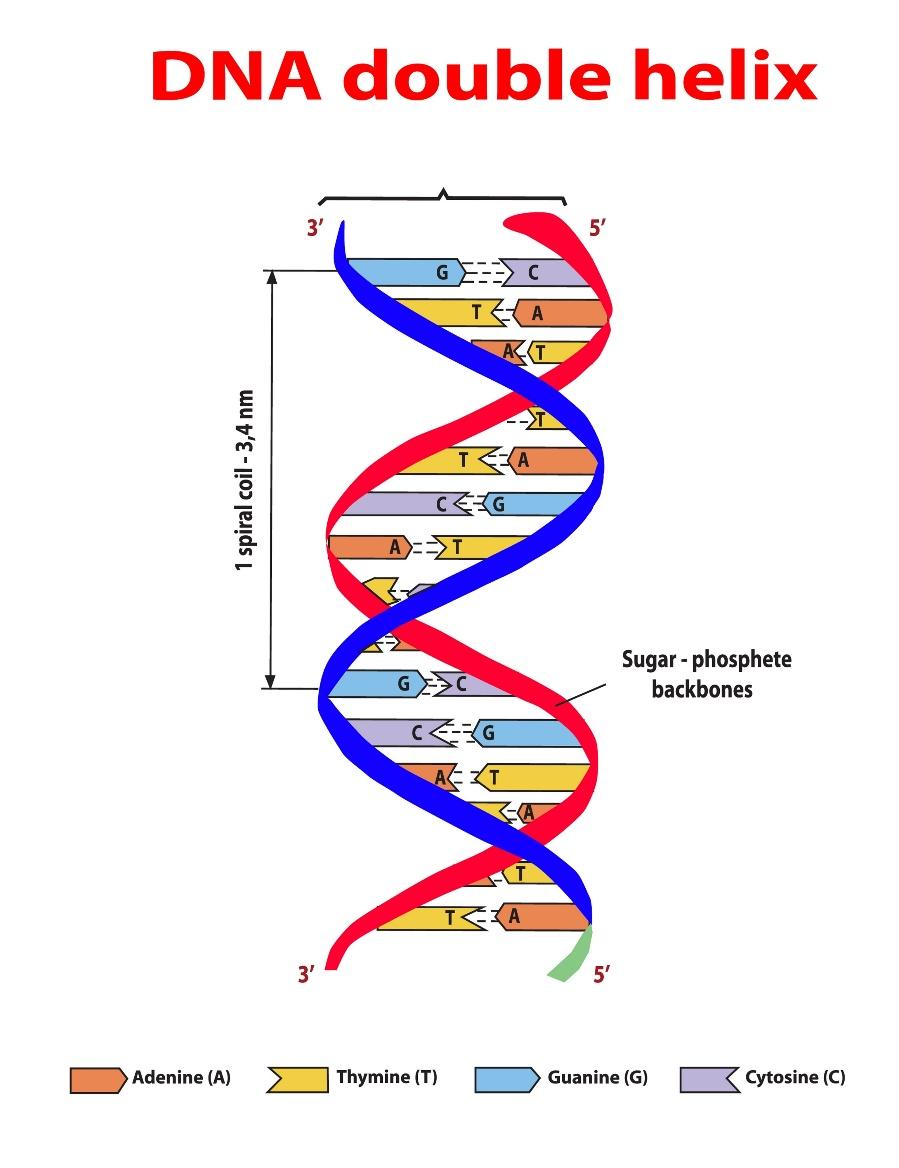
A. is a single strand of nucleotides: DNA is double-stranded. RNA is typically single-stranded.
B. contains the sugar ribose: DNA contains deoxyribose. Ribose is found in RNA.
C. is a double-helix strand of nucleotides: The molecular structure of DNA consists of two complementary strands that twist into a double-helix.
D. transports amino acids during protein synthesis: That is the specific function of transfer RNA (tRNA).
Whether you are a student looking to ace your exams or a practicing nurse seeking to enhance your expertise , our nursing education contents will empower you with the confidence and competence to make a difference in the lives of patients and become a respected leader in the healthcare field.
Visit Naxlex, invest in your future and unlock endless possibilities with our unparalleled nursing education contents today