
A nurse is assessing a client who has suspected appendicitis. Which of the following manifestations should the nurse expect?(Select all that apply.).
Elevated WBC Count.
Elevated amylase level.
Rebound tenderness.
Ascites.
Anorexia.
Correct Answer : A,C,E
Choice A rationale:
An elevated white blood cell (WBC) count is an expected manifestation in a client with suspected appendicitis. Inflammation in the appendix leads to an immune response, causing an increase in WBC count.
Choice B rationale:
Elevated amylase level is not typically associated with appendicitis. Elevated amylase is more commonly seen in pancreatitis, not appendicitis.
Choice C rationale:
Rebound tenderness, which refers to increased pain when pressure is released rather than applied, is a classic symptom of appendicitis. The nurse should expect to find rebound tenderness during the abdominal assessment.
Choice D rationale:
Ascites are not a common manifestation of appendicitis. Ascites is the accumulation of fluid in the abdominal cavity and are more commonly seen in liver cirrhosis and certain other conditions, but not in appendicitis.
Choice E rationale:
Anorexia, or loss of appetite, can be seen in clients with appendicitis due to the inflammation and discomfort in the abdominal region.
Nursing Test Bank
Naxlex Comprehensive Predictor Exams
Related Questions
Correct Answer is B
Explanation
Choice A rationale:
A capillary refill of less than 1 second is a normal finding and indicates adequate peripheral perfusion. It is not a cause for concern in this postoperative client.
Choice B rationale:
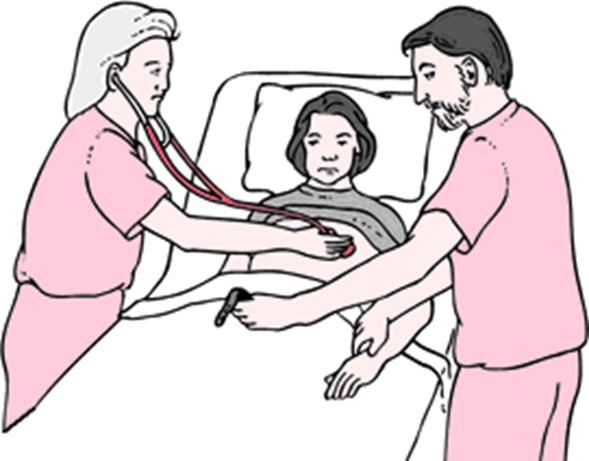
The presence of a pulse deficit should be reported to the provider because it suggests a discrepancy between the apical and radial pulses, indicating potential cardiovascular compromise or inadequate arterial perfusion.
Choice C rationale:
A systolic blood pressure 10 points lower than before surgery can be a normal response to anesthesia or surgery and may not necessarily require immediate reporting unless accompanied by other concerning symptoms or vital sign abnormalities.
Choice D rationale:
Pulse oximetry at 96% is within the normal range for oxygen saturation and does not warrant immediate reporting. However, if the client is experiencing respiratory distress or other concerning symptoms, it should be addressed promptly.
Correct Answer is A
Explanation
Choice A rationale:
Crackles are adventitious lung sounds that can be heard on auscultation and are commonly associated with pneumonia. They are caused by the movement of air through fluid-filled or collapsed alveoli, indicating inflammation and infection in the lungs.
Choice B rationale:
Crepitus is a different respiratory finding and is not typically associated with pneumonia. Crepitus is a crackling or grating sensation that can be felt under the skin, often caused by subcutaneous emphysema or gas trapped in the tissues, not within the lungs.
Choice C rationale:
Stridor is a harsh, high-pitched sound heard during inspiration and is usually indicative of upper airway obstruction, not pneumonia. It can be caused by conditions such as croup or anaphylaxis.
Choice D rationale:
Decreased fremitus is not a specific manifestation of pneumonia. Fremitus is the vibration felt when the patient speaks and is transmitted through the chest wall. In pneumonia, increased fremitus may be observed due to the consolidation of lung tissue with fluid or pus, not decreased fremitus.
Whether you are a student looking to ace your exams or a practicing nurse seeking to enhance your expertise , our nursing education contents will empower you with the confidence and competence to make a difference in the lives of patients and become a respected leader in the healthcare field.
Visit Naxlex, invest in your future and unlock endless possibilities with our unparalleled nursing education contents today