
A nurse is assisting in the care of a client who has diabetic ketoacidosis and hypoxia. Which of the following actions should the nurse take first?
Obtain a prescription to administer insulin.
Obtain a prescription for supplemental oxygen.
Obtain a prescription to check the client's glucose level.
Obtain a prescription to administer intravenous fluids.
The Correct Answer is B
Choice A reason: Obtaining a prescription to administer insulin is an important action for the nurse to take, as insulin helps to lower the blood glucose level and reverse the metabolic acidosis caused by diabetic ketoacidosis. However, it is not the first action the nurse should take, as the client's hypoxia is a more urgent problem that requires immediate intervention.
Choice B reason: Obtaining a prescription for supplemental oxygen is the first action the nurse should take, as hypoxia is a life-threatening condition that can lead to tissue damage, organ failure, and death. The nurse should provide oxygen therapy to improve the client's oxygen saturation and prevent further complications.
Choice C reason: Obtaining a prescription to check the client's glucose level is a necessary action for the nurse to take, as glucose monitoring helps to evaluate the client's response to insulin therapy and guide further interventions. However, it is not the first action the nurse should take, as the client's hypoxia is a more urgent problem that requires immediate intervention.
Choice D reason: Obtaining a prescription to administer intravenous fluids is a beneficial action for the nurse to take, as fluid replacement helps to correct the dehydration, electrolyte imbalance, and hypotension caused by diabetic ketoacidosis. However, it is not the first action the nurse should take, as the client's hypoxia is a more urgent problem that requires immediate intervention.
Nursing Test Bank
Naxlex Comprehensive Predictor Exams
Related Questions
Correct Answer is D
Explanation
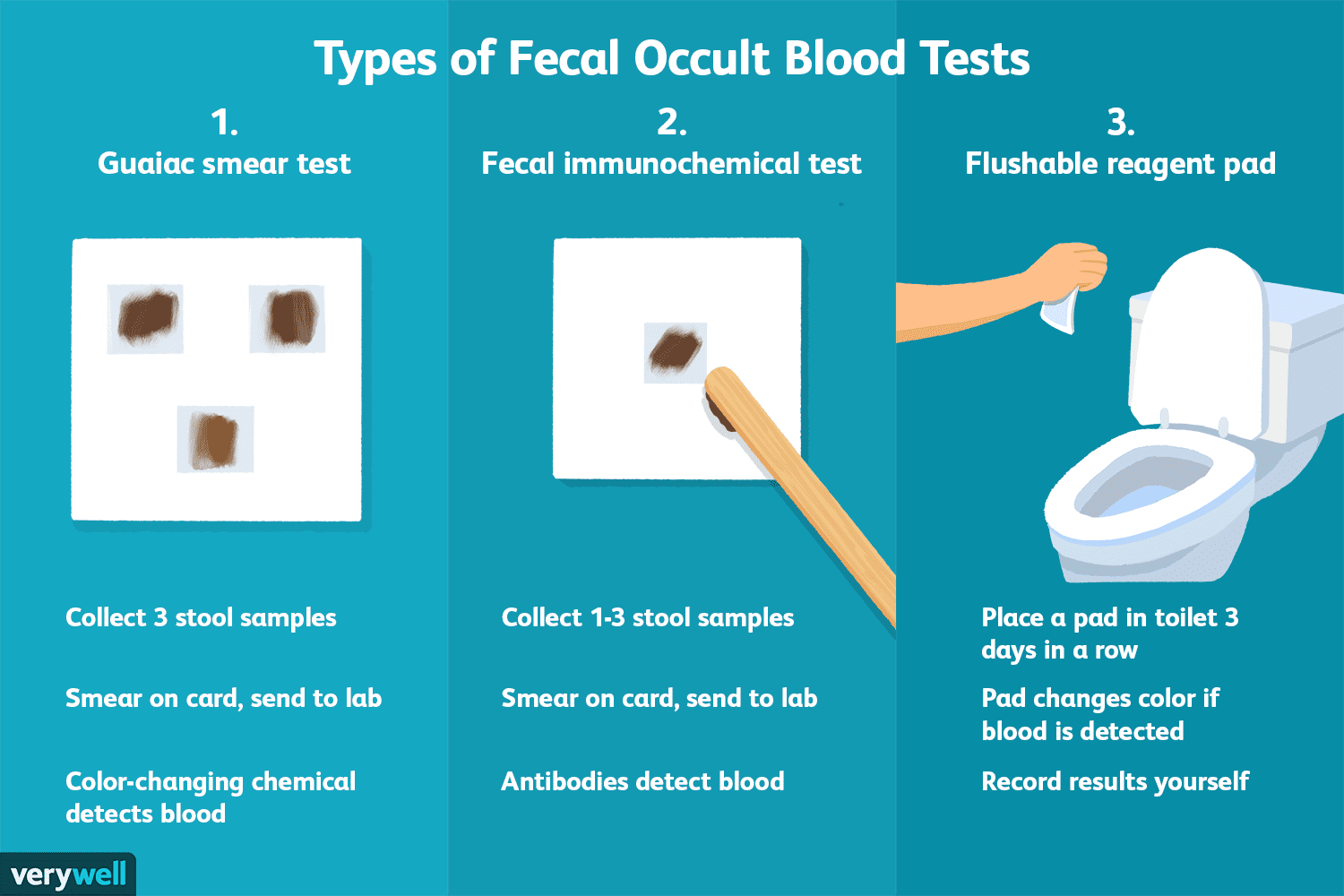
Choice A reason: Bacteria are not detected by the stool guaiac test. The stool guaiac test is a chemical test that reacts with hemoglobin, a protein found in red blood cells. Bacteria are microorganisms that do not contain hemoglobin.
Choice B reason: Fat is not detected by the stool guaiac test. The stool guaiac test is a chemical test that reacts with hemoglobin, a protein found in red blood cells. Fat is a lipid that does not contain hemoglobin.
Choice C reason: Parasites are not detected by the stool guaiac test. The stool guaiac test is a chemical test that reacts with hemoglobin, a protein found in red blood cells. Parasites are organisms that live in or on another host and do not contain hemoglobin.
Choice D reason: Blood is detected by the stool guaiac test. The stool guaiac test is a chemical test that reacts with hemoglobin, a protein found in red blood cells. Blood can indicate bleeding in the gastrointestinal tract, which can be caused by various conditions such as ulcers, polyps, or cancer.
Correct Answer is D
Explanation
Choice A reason: Dry skin is not a sign of respiratory alkalosis. It can be caused by other conditions such as dehydration, eczema, or hypothyroidism.
Choice B reason: Abdominal pain is not a sign of respiratory alkalosis. It can be caused by other conditions such as gastritis, appendicitis, or gallstones.
Choice C reason: Diarrhea is not a sign of respiratory alkalosis. It can be caused by other conditions such as infection, inflammation, or food intolerance.
Choice D reason: Numbness of fingers is a sign of respiratory alkalosis, as it indicates a low level of calcium in the blood (hypocalcemia). Hypocalcemia can result from the alkalosis, as it causes the calcium to bind to proteins and become less available. Numbness of fingers can also affect the toes and lips.
Whether you are a student looking to ace your exams or a practicing nurse seeking to enhance your expertise , our nursing education contents will empower you with the confidence and competence to make a difference in the lives of patients and become a respected leader in the healthcare field.
Visit Naxlex, invest in your future and unlock endless possibilities with our unparalleled nursing education contents today