
A nurse is assisting with the plan of care for a group of clients. Which of the following clients should the nurse recommend for an Interprofessional conference?
A client who has a spinal cord injury
A client who has a torn rotator cuff
A client who has acute appendicitis
A client who has a urinary tract infection
The Correct Answer is A
Choice A Reason:
A client who has a spinal cord injury is correct. An interprofessional conference is often recommended for clients with complex and multifaceted health issues that require collaboration among various healthcare disciplines. A client with a spinal cord injury typically has complex care needs that involve multiple healthcare professionals, such as physical therapists, occupational therapists, social workers, nurses, and possibly surgeons or neurologists. The coordination of care for a client with a spinal cord injury often requires input and collaboration from various healthcare team members, making an interprofessional conference valuable.
Choice B Reason:
A torn rotator cuff may require physical therapy and orthopedic consultation but may not require the same level of multidisciplinary collaboration as a spinal cord injury.
Choice C Reason:
Acute appendicitis typically involves surgical intervention but may not require the same degree of ongoing interprofessional collaboration as other complex conditions.
Choice D Reason:
A urinary tract infection is a common and relatively straightforward condition that is usually managed by nurses and primary care providers without extensive interprofessional conferences.
Nursing Test Bank
Naxlex Comprehensive Predictor Exams
Related Questions
Correct Answer is D
Explanation
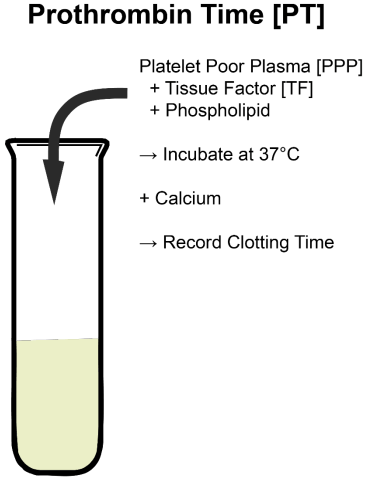
d. Prothrombin time.
Explanation:
Warfarin is an anticoagulant medication that works by inhibiting the synthesis of vitamin K-dependent clotting factors in the liver. Therefore, it is important to monitor the client's clotting ability to ensure that the medication is working properly and not causing any adverse effects.
The laboratory test that is used to monitor warfarin therapy is the prothrombin time (PT), which measures the time it takes for the blood to clot. The nurse should monitor the client's PT regularly and adjust the dosage of warfarin as necessary to maintain the therapeutic range.
Option a (Triiodothyronine) is a thyroid hormone and is not directly related to warfarin therapy.
Option b (Blood urea nitrogen) is a measure of kidney function and is also not directly related to warfarin therapy.
Option c (Arterial blood gases) is a measure of oxygen and carbon dioxide levels in the blood and is not related to warfarin therapy.
Correct Answer is D
Explanation
Choice A Reason:
Applying warm, moist packs to the surgical site may not be indicated as it can potentially increase swelling and disrupt the surgical site.
Choice B Reason:
Massaging the lower leg in smooth, long strokes is generally not recommended in the early postoperative period, as it can disturb the surgical site and potentially lead to complications.
Choice C Reason:
When planning care for a client who is postoperative following a knee arthroplasty, placing a pillow under the surgical knee can be beneficial. This helps maintain proper alignment, reduces pressure on the surgical site, and promotes comfort and circulation. Elevating the leg slightly with a pillow can also help reduce swelling and minimize the risk of complications such as deep vein thrombosis (DVT).
Choice D Reason:
Using the continuous passive-motion (CPM) machine intermittently should be done as ordered by the healthcare provider and under their guidance.CPM is typically initiatedearly postoperatively, often within the first 24 hours after surgery.
Whether you are a student looking to ace your exams or a practicing nurse seeking to enhance your expertise , our nursing education contents will empower you with the confidence and competence to make a difference in the lives of patients and become a respected leader in the healthcare field.
Visit Naxlex, invest in your future and unlock endless possibilities with our unparalleled nursing education contents today