
A nurse is caring for a client who had a vaginal delivery 1 day ago. The nurse determines that the client's fundus is firm, located 2 fingerbreadths above the umbilicus, and deviated to the left. Which of the following actions should the nurse take first?
Notify the provider.
Administer a prescribed analgesic
Assist the client to empty her bladder.
Monitor perineal pads for clots.
The Correct Answer is C
A) Incorrect- While notifying the provider might be necessary, addressing bladder distention takes precedence in this scenario.
B) Incorrect- Administering an analgesic might be indicated for pain relief, but addressing bladder distention is the priority.
C) Correct - Assisting the client to empty her bladder is the first action to take. A full bladder can prevent the uterus from contracting properly and can lead to excessive bleeding.
D) Incorrect- Monitoring perineal pads for clots is important but not the first action to take when bladder distention is present.
Nursing Test Bank
Naxlex Comprehensive Predictor Exams
Related Questions
Correct Answer is B
Explanation
A) Incorrect- An amniocentesis is not typically needed after a molar pregnancy since there is no viable fetus.
B) Correct - A molar pregnancy is a rare condition where abnormal tissue forms in the uterus instead of a normal embryo. It often requires medical follow-up and emotional support. Attending a support group is important for emotional and psychological healing after the experience of a molar pregnancy.
C) Incorrect- Chemotherapy might be necessary in certain cases of molar pregnancy, but immediate chemotherapy is not a general requirement.
D) Incorrect- Home palliative services are not typically needed for molar pregnancy recovery.

Correct Answer is A
Explanation
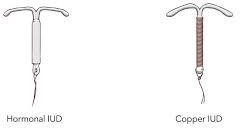
A) Correct- Intrauterine devices (IUDs) have one of the lowest failure rates among contraceptive methods. They are highly effective at preventing pregnancy.
B) Incorrect- Diaphragms have a higher failure rate compared to IUDs.
C) Incorrect- Oral contraceptives have a failure rate slightly higher than IUDs due to the potential for missed doses.
D) Incorrect- Contraceptive sponges have a higher failure rate compared to IUDs.
Whether you are a student looking to ace your exams or a practicing nurse seeking to enhance your expertise , our nursing education contents will empower you with the confidence and competence to make a difference in the lives of patients and become a respected leader in the healthcare field.
Visit Naxlex, invest in your future and unlock endless possibilities with our unparalleled nursing education contents today