
A nurse is caring for a client who is experiencing acute manifestations of withdrawal from alcohol. Which of the following medications should th nurse expect to administer to the client?
Disulfiram
Naltrexone
Diazepam
Acamprosate
The Correct Answer is C
Diazepam belongs to the benzodiazepine class of drugs and is commonly used to manage the symptoms of alcohol withdrawal. It helps alleviate anxiety, agitation, tremors, and seizures that can occur during alcohol withdrawal. Diazepam has sedative effects and helps prevent and treat alcohol withdrawal seizures by acting on the central nervous system.
Incorrect:
A- Disulfiram is a medication used to support alcohol abstinence by creating unpleasant reactions if alcohol is consumed. It is not typically administered during acute alcohol withdrawal.
B- Naltrexone is used to help individuals with alcohol dependence reduce their alcohol cravings and drinking behavior. It is not typically used during the acute phase of alcohol withdrawal.
D- Acamprosate is a medication used to maintain abstinence from alcohol in individuals who have already stopped drinking. It is not typically used during the acute phase of alcohol withdrawal.
Nursing Test Bank
Naxlex Comprehensive Predictor Exams
Related Questions
Correct Answer is ["A","B","C","D"]
Explanation
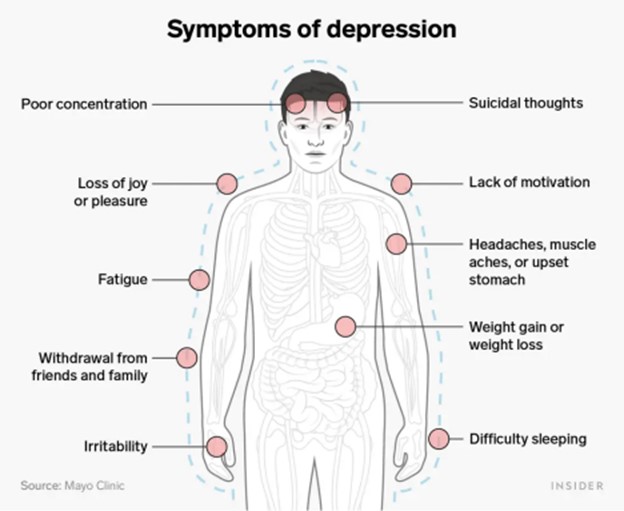
When caring for an adolescent experiencing indications of depression, the nurse should expect the following findings:
A- Irritability: Depression can manifest as increased irritability or anger, especially in adolescents. They may become easily annoyed or frustrated.
B- Insomnia: Sleep disturbances are common in depression. Adolescents may experience difficulty falling asleep, staying asleep, or have restless and disturbed sleep.
C- Chronic pain: Depression can be associated with physical symptoms, including chronic pain. Adolescents may complain of headaches, stomachaches, or other unexplained physical discomfort.
D- Low self-esteem: Depression often involves feelings of worthlessness, guilt, and low self-esteem. Adolescents may have negative thoughts about themselves, feel inadequate, or have a distorted self-perception.
Incorrect:
E- Euphoria, on the other hand, is not a typical finding in depression. It refers to an intense state of happiness or excitement, which is not consistent with the overall mood of depression.
Correct Answer is C
Explanation
Secondary interventions are aimed at reducing the harm or preventing further complications in individuals who have already engaged in suicidal behavior. In this case, performing life-saving measures after a suicide attempt, such as cardiopulmonary resuscitation (CPR) or administering first aid, falls under the category of secondary intervention.
The other options are examples of primary and tertiary interventions:
A- Recognizing the warning signs of suicide: This is an example of primary intervention, which focuses on preventing suicidal behavior before it occurs by raising awareness, promoting mental health, and identifying risk factors and warning signs.
B- Identifying individuals who are at higher risk for attempting suicide: This is also an example of primary intervention, as it involves assessing and identifying individuals who may be at greater risk for suicidal behavior and implementing preventive measures.
D- Providing support for family and friends following a suicide: This is an example of tertiary intervention, which aims to provide support and care to those who have been affected by a suicide, including family and friends. Tertiary interventions focus on postvention, addressing the aftermath and providing support for survivors.
Whether you are a student looking to ace your exams or a practicing nurse seeking to enhance your expertise , our nursing education contents will empower you with the confidence and competence to make a difference in the lives of patients and become a respected leader in the healthcare field.
Visit Naxlex, invest in your future and unlock endless possibilities with our unparalleled nursing education contents today