
A nurse is caring for a client who is receiving cyclophosphamide, an alkylating agent, as part of chemotherapy for lymphoma. The nurse should monitor the client for which of the following adverse effects of this drug?
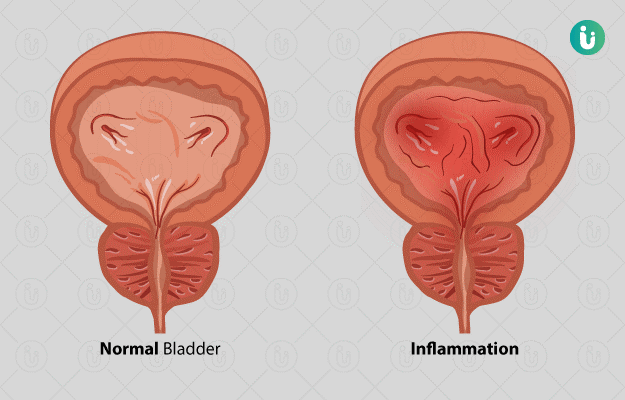
Nephrotoxicity and hemorrhagic cystitis
Cardiotoxicity and extravasation injury
Peripheral neuropathy and pulmonary fibrosis
Hepatotoxicity and gastrointestinal toxicity
The Correct Answer is A
Choice A reason: Cyclophosphamide is an alkylating agent that can cause damage to the kidneys and bladder, leading to nephrotoxicity and hemorrhagic cystitis. Nephrotoxicity is the impairment of kidney function due to exposure to toxic substances, and hemorrhagic cystitis is the inflammation and bleeding of the bladder wall. The nurse should monitor the client's urine output, specific gravity, blood urea nitrogen, creatinine, and urinalysis for signs of renal impairment and hematuria. The nurse should also encourage the client to drink plenty of fluids, administer mesna (a protective agent), and alkalinize the urine to prevent these complications .
Choice B reason: Cardiotoxicity and extravasation injury are not common adverse effects of cyclophosphamide. Cardiotoxicity is the damage to the heart muscle caused by certain drugs, such as anthracyclines (e.g., doxorubicin) or trastuzumab. Extravasation injury is the leakage of a vesicant drug (a drug that causes tissue damage) into the surrounding tissues, causing pain, swelling, necrosis, and infection. Cyclophosphamide is not a vesicant drug, but vinca alkaloids (e.g., vincristine) or platinum compounds (e.g., cisplatin) are .
Choice C reason: Peripheral neuropathy and pulmonary fibrosis are not common adverse effects of cyclophosphamide. Peripheral neuropathy is the damage to the nerves of the peripheral nervous system, causing numbness, tingling, pain, or weakness in the hands or feet. Pulmonary fibrosis is the scarring of the lung tissue, causing shortness of breath, cough, and reduced oxygen levels. These complications are more likely to occur with drugs such as taxanes (e.g., paclitaxel) or bleomycin .
Choice D reason: Hepatotoxicity and gastrointestinal toxicity are not specific adverse effects of cyclophosphamide. Hepatotoxicity is the damage to the liver cells caused by certain drugs, such as methotrexate or acetaminophen. Gastrointestinal toxicity is the irritation of the mucous membranes of the digestive tract, causing nausea, vomiting, diarrhea, or mucositis. These side effects can occur with many chemotherapy drugs, but they are not unique to cyclophosphamide .
Nursing Test Bank
Naxlex Comprehensive Predictor Exams
Related Questions
Correct Answer is C
Explanation
Choice A reason: Blocking the estrogen receptors on the cancer cells and inhibiting their growth is the mechanism of action of tamoxifen, a selective estrogen receptor modulator (SERM) that is used to treat breast cancer. Tamoxifen is not effective for prostate cancer, which is stimulated by testosterone, not estrogen.
Choice B reason: Stimulating the production of testosterone and increasing the sensitivity of the cancer cells to chemotherapy is not the mechanism of action of leuprolide, a hormone that is used to treat prostate cancer. Leuprolide does not increase testosterone, but decreases it. Increasing testosterone would worsen prostate cancer, not improve it.
Choice C reason: Suppressing the secretion of luteinizing hormone and reducing the level of testosterone is the mechanism of action of leuprolide, a gonadotropinreleasing hormone (GnRH) agonist that is used to treat prostate cancer. Leuprolide binds to the GnRH receptors in the pituitary gland and initially stimulates the release of luteinizing hormone (LH) and folliclestimulating hormone (FSH). However, with continuous administration, leuprolide desensitizes the receptors and inhibits the secretion of LH and FSH. This leads to a decrease in the production of testosterone by the testes, which reduces the growth of prostate cancer cells.
Choice D reason: Altering the metabolism of cortisol and inducing apoptosis of the cancer cells is not the mechanism of action of leuprolide, a hormone that is used to treat prostate cancer. Leuprolide does not affect cortisol, but testosterone. Cortisol is a glucocorticoid hormone that regulates stress response, inflammation, and metabolism. Apoptosis is a process of programmed cell death that can be triggered by some chemotherapy drugs, such as cisplatin and doxorubicin.
Correct Answer is A
Explanation
Choice A reason: Cough, dyspnea, and crackles are signs and symptoms of pulmonary fibrosis, which is a serious and potentially fatal adverse effect of bleomycin, an antineoplastic antibiotic that inhibits DNA synthesis in cancer cells. Pulmonary fibrosis is a condition that causes scarring and thickening of the lung tissue, which reduces the lung's ability to exchange oxygen and carbon dioxide. The client should be monitored for pulmonary function tests and chest xrays before and during treatment with bleomycin, and the drug should be discontinued if pulmonary fibrosis develops.
Choice B reason: Nausea, vomiting, and diarrhea are not signs of pulmonary fibrosis, but may occur as common side effects of bleomycin and other chemotherapy drugs. The nurse should provide antiemetic drugs, fluids, and electrolytes to prevent dehydration and electrolyte imbalance in the client.
Choice C reason: Fever, chills, and sore throat are not signs of pulmonary fibrosis, but may indicate infection, which is a risk factor for clients receiving chemotherapy. Chemotherapy drugs can suppress the immune system and make the client more susceptible to infections. The nurse should monitor the client's temperature, white blood cell count, and cultures, and administer antibiotics as prescribed.
Choice D reason: Jaundice, dark urine, and claycolored stools are not signs of pulmonary fibrosis, but may indicate liver damage, which is another possible adverse effect of bleomycin. Bleomycin can cause hepatotoxicity, which is toxicity to the liver cells that can impair the liver's function. The nurse should monitor the client's liver function tests, such as serum bilirubin, alkaline phosphatase, and transaminases, and report any abnormalities to the provider.
Whether you are a student looking to ace your exams or a practicing nurse seeking to enhance your expertise , our nursing education contents will empower you with the confidence and competence to make a difference in the lives of patients and become a respected leader in the healthcare field.
Visit Naxlex, invest in your future and unlock endless possibilities with our unparalleled nursing education contents today