
A nurse is caring for a client who is taking clozapine for the treatment of schizophrenia. The nurse should monitor the client for which of the following potential adverse effects of clozapine?
Dry mouth
Hypoglycemia
Pain in great toes
Diarrhea
The Correct Answer is D
Choice A reason: Dry mouth is a common side effect of many antipsychotics due to their anticholinergic properties, but it is not considered a serious adverse effect of clozapine. While it may cause discomfort, it does not pose significant health risks compared to other potential complications.
Choice B reason: Hypoglycemia is not a typical adverse effect of clozapine. Clozapine is more commonly associated with metabolic syndrome, including weight gain, hyperglycemia, and dyslipidemia, rather than low blood sugar. Therefore, this option is incorrect.
Choice C reason: Pain in the great toes is not a recognized adverse effect of clozapine. This symptom could suggest gout or another musculoskeletal condition, but it is unrelated to clozapine therapy.
Choice D reason: Diarrhea is a potential adverse effect of clozapine. Clozapine can cause gastrointestinal disturbances, including diarrhea, constipation, and hypersalivation. Monitoring for these symptoms is important because they can affect the client’s hydration and nutritional status.
Nursing Test Bank
Naxlex Comprehensive Predictor Exams
Related Questions
Correct Answer is D
Explanation
Choice A reason: Setting strict limits on behaviors is not therapeutic for OCD. It can increase anxiety and resistance, as compulsions are driven by uncontrollable urges to reduce distress.
Choice B reason: Informing the client that ritualistic behaviors serve no purpose invalidates their experience and can increase anxiety. Clients with OCD are often aware their behaviors are irrational but feel compelled to perform them.
Choice C reason: Isolation is inappropriate and harmful. It does not address the client’s needs and can worsen anxiety and compulsive behaviors.
Choice D reason: Allowing time for rituals is the correct intervention. Initially, the nurse should accommodate the client’s compulsions to reduce anxiety and build trust. Over time, therapeutic interventions can gradually help the client reduce ritualistic behaviors.
Correct Answer is C
Explanation
Choice A reason: OCD behaviors are not based on delusions. Clients are usually aware that their compulsions are irrational, but they feel compelled to perform them to relieve anxiety. Delusions are fixed false beliefs, which differ from compulsions.
Choice B reason: Avoiding interaction with others is not the primary motivation for compulsive cleaning. While social withdrawal may occur, the driving force behind repetitive cleaning is anxiety reduction, not avoidance of social contact.
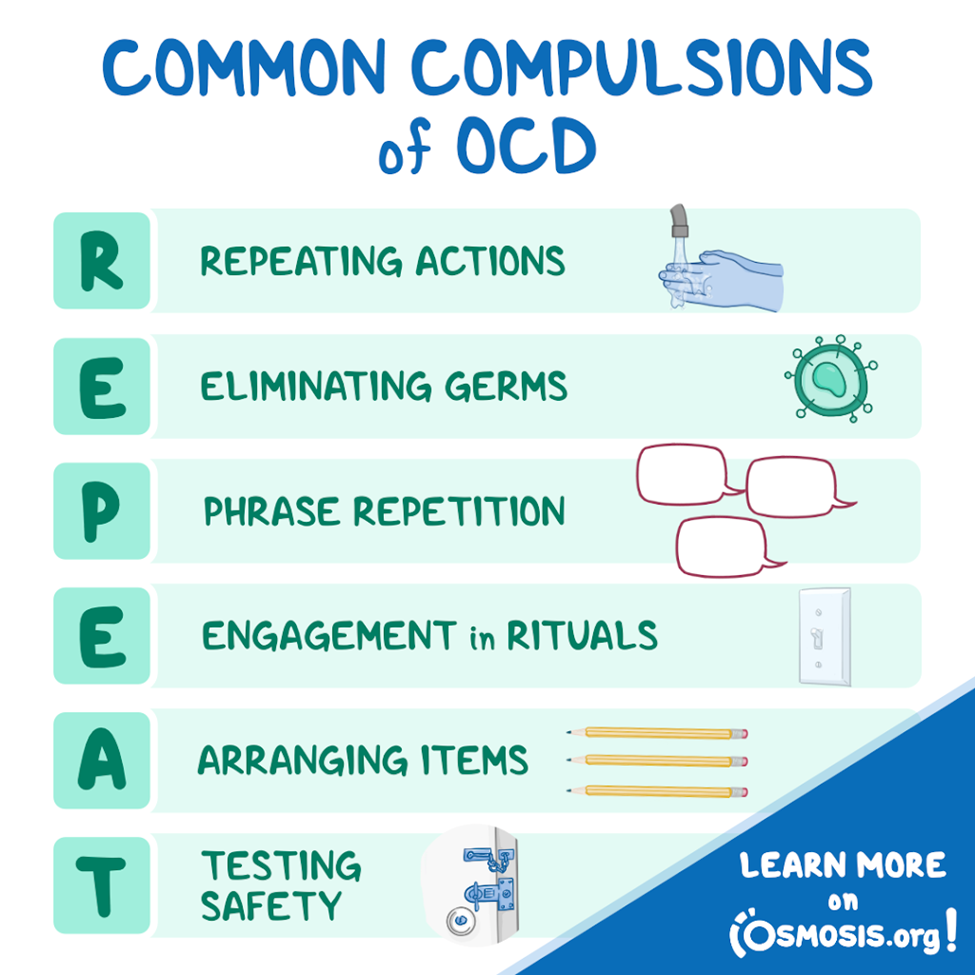
Choice C reason: Compulsive cleaning is performed to decrease anxiety. Clients with OCD experience intrusive thoughts that cause distress, and repetitive cleaning rituals temporarily relieve this anxiety. This cycle reinforces the behavior, making it difficult to stop.
Choice D reason: Manipulating others is not a characteristic of OCD compulsions. The behaviors are self-directed and aimed at reducing internal distress, not controlling or influencing others.
Whether you are a student looking to ace your exams or a practicing nurse seeking to enhance your expertise , our nursing education contents will empower you with the confidence and competence to make a difference in the lives of patients and become a respected leader in the healthcare field.
Visit Naxlex, invest in your future and unlock endless possibilities with our unparalleled nursing education contents today