
A nurse is planning care for a client who has Ménière’s disease and is experiencing episodes of vertigo. Which of the following interventions should the nurse include in the plan?
Maintain strict bed rest.
Restrict fluid intake to the morning hours.
Administer aspirin.
Provide a low-sodium diet.
The Correct Answer is D
Choice A Reason
Maintain strict bed rest. This intervention is not typically recommended for managing Ménière’s disease. While rest during acute vertigo episodes is important, strict bed rest is not necessary and can lead to other complications such as muscle atrophy and decreased mobility.
Choice B Reason
Restrict fluid intake to the morning hours. This statement is incorrect. Fluid intake should be evenly distributed throughout the day to help manage the symptoms of Ménière’s disease. Restricting fluids to the morning hours can lead to dehydration and does not effectively manage the condition.
Choice C Reason
Administer aspirin. This intervention is not recommended for Ménière’s disease. Aspirin can worsen tinnitus, a common symptom of Ménière’s disease, and is generally avoided in these patients.
Choice D Reason
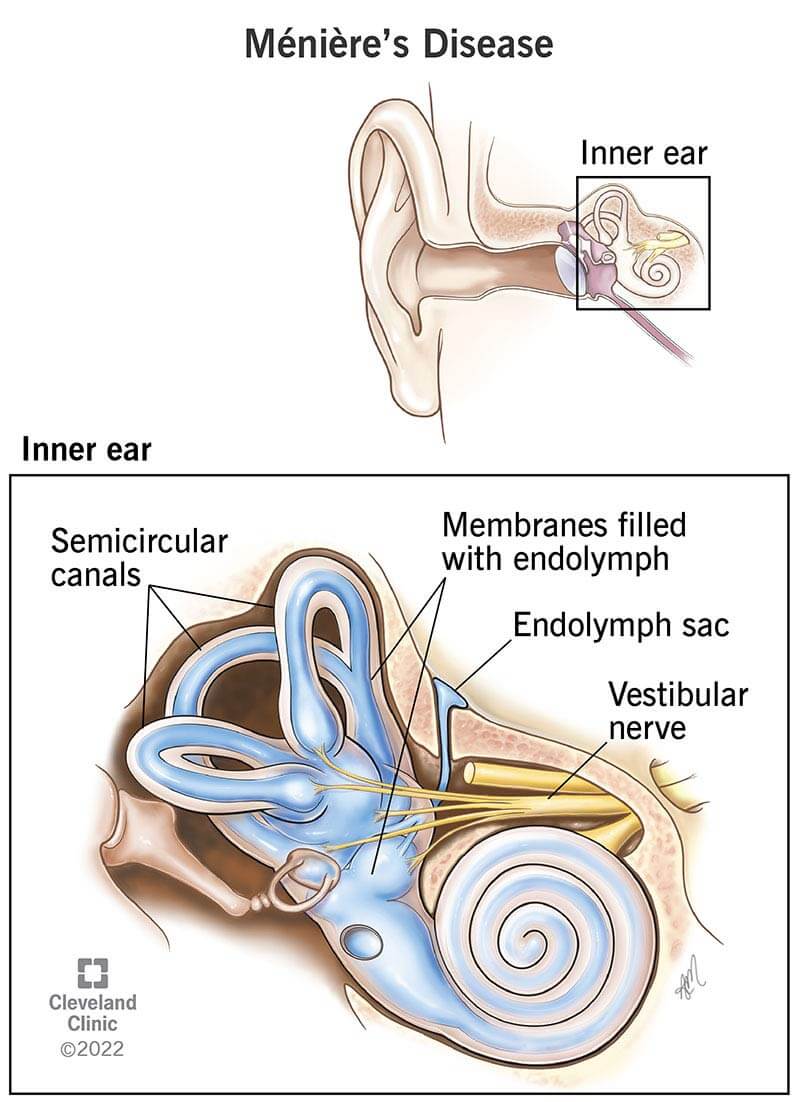
Provide a low-sodium diet. This is the correct intervention. A low-sodium diet helps reduce fluid retention in the body, which can decrease the pressure in the inner ear and help manage the symptoms of Ménière’s disease. Reducing sodium intake to 1,500-2,000 milligrams per day is often recommended.
Nursing Test Bank
Naxlex Comprehensive Predictor Exams
Related Questions
Correct Answer is C
Explanation
Choice A Reason
Lemonade is not suitable for a client with acute gastritis. Lemonade is acidic and can irritate the stomach lining, potentially worsening the symptoms of gastritis. It is important to avoid acidic foods and beverages to prevent further irritation.
Choice B Reason
Tomato soup is also not recommended for a client with acute gastritis. Tomatoes are acidic and can exacerbate gastritis symptoms. Foods that are low in acidity are better choices for individuals with this condition.
Choice C Reason
Gelatin is the correct choice. It is bland, non-acidic, and easy to digest, making it suitable for someone recovering from acute gastritis. Gelatin can help soothe the stomach lining without causing irritation.
Choice D Reason
Black coffee should be avoided by clients with acute gastritis. Coffee is acidic and can irritate the stomach lining, leading to increased discomfort and symptoms. Caffeine can also stimulate acid production, which is not ideal for someone with gastritis.
Correct Answer is B
Explanation
Choice A Reason:
Decreasing leg strength is a common symptom of Guillain-Barré syndrome (GBS) and indicates the progression of muscle weakness. While it is concerning and should be monitored, it is not as immediately critical as respiratory complications.
Choice B Reason:
Decreasing voice volume can indicate involvement of the cranial nerves and potential respiratory muscle weakness, which can lead to respiratory failure. This is an urgent finding that requires immediate attention to prevent respiratory complications.
Choice C Reason:
Decreased deep tendon reflexes are a hallmark of GBS and are expected in the progression of the disease. While they should be documented and monitored, they do not require immediate reporting unless accompanied by other critical symptoms.
Choice D Reason:
Decreased sensation in the arms is another common symptom of GBS due to peripheral nerve involvement. It should be monitored, but it is not as urgent as signs of respiratory compromise.
Whether you are a student looking to ace your exams or a practicing nurse seeking to enhance your expertise , our nursing education contents will empower you with the confidence and competence to make a difference in the lives of patients and become a respected leader in the healthcare field.
Visit Naxlex, invest in your future and unlock endless possibilities with our unparalleled nursing education contents today