
A nurse is presenting an in-service about the cycle of violence to nursing staff. The nurse should include that which of the following occurs during phase 1 of the cycle of violence?
Arguments increase in frequency
Perpetrator causes physical harm
Perpetrator promises to change
Law enforcement officers are involved
The Correct Answer is A
A. Phase 1 of the cycle of violence, also known as the tension-building phase, is characterized by increasing tension and conflict between the parties involved in the abusive relationship. During this phase, arguments, disagreements, and conflicts escalate in frequency and intensity.
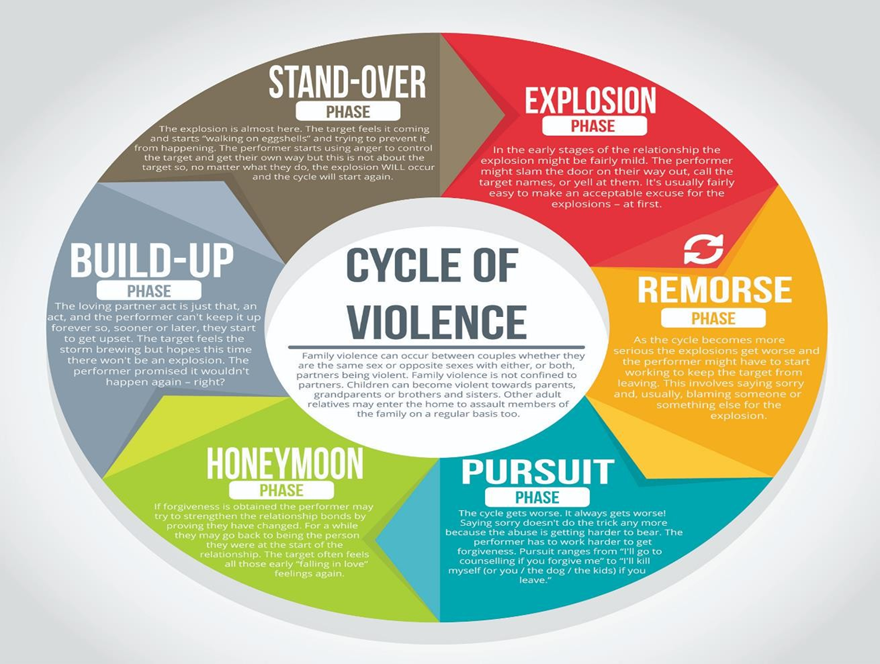
B Physical harm typically occurs during phase 2 of the cycle of violence, known as the acute or explosion phase.
C. This phase follows the acute phase and is characterized by the perpetrator expressing remorse, making excuses for their behavior, or attempting to reconcile with the victim through gestures of affection, gifts, or promises to change. However, these promises are often short- lived and may be followed by a return to tension-building behavior and the cycle of violence repeating.
D. Law enforcement involvement is not specific to phase 1 of the cycle, during which tensions are escalating and conflicts are increasing in frequency.
Nursing Test Bank
Naxlex Comprehensive Predictor Exams
Related Questions
Correct Answer is D
Explanation
A. One of the most significant potential side effects of clozapine is agranulocytosis, a severe decrease in the number of white blood cells not red blood cells, particularly neutrophils.
B. Limiting fluid intake is not typically a specific concern associated with clozapine.
C. Clozapine is not known to have significant interactions with tyramine-rich foods
D. Medication adherence is a key component in clients on clozapine to prevent acute psychotic episodes.
Correct Answer is D
Explanation
D. Schizophrenia is typically diagnosed in young adulthood, usually in the late teens to early twenties, although it can also occur later in life. Symptoms often emerge during this period of development, characterized by disturbances in thinking, perception, emotions, and behavior.
Whether you are a student looking to ace your exams or a practicing nurse seeking to enhance your expertise , our nursing education contents will empower you with the confidence and competence to make a difference in the lives of patients and become a respected leader in the healthcare field.
Visit Naxlex, invest in your future and unlock endless possibilities with our unparalleled nursing education contents today