
A nurse is providing discharge teaching about nutrition to the parents of a child who has cystic fibrosis (CF). Which of the following responses by the parents indicates an understanding of the teaching?
"We will restrict the amount of salt in our child's food."
I will limit my child's fluid intake."
"I will prepare low-fat meals with limited protein for my child."
"We will give our child pancreatic enzymes with snacks and meals."
The Correct Answer is D
Cystic fibrosis (CF) is a genetic disorder that affects the production and function of certain glands, particularly those that produce mucus and sweat. One of the key aspects of CF management is addressing the pancreatic insufficiency that occurs in many individuals with CF. Due to the impairment of the pancreas, children with CF may have difficulty digesting food properly, especially fats. This can lead to malabsorption of nutrients, poor weight gain, and other nutritional deficiencies.
Pancreatic enzyme replacement therapy is a crucial part of CF management. Pancreatic enzymes are prescribed to help the child digest and absorb essential nutrients, especially fats. The enzymes are typically given with each meal and snack to aid in the breakdown and absorption of nutrients.
The other options are not correct:
A. "We will restrict the amount of salt in our child's food."
Sodium restriction is generally not a focus in CF management unless there are specific indications for it. CF patients may have increased salt losses in sweat, but dietary sodium restriction is not a primary aspect of their care.
B. "I will limit my child's fluid intake."
Fluid intake is important for children with CF to maintain hydration and prevent dehydration. There is no specific need to limit fluid intake unless there are individualized medical reasons for doing so.
C. "I will prepare low-fat meals with limited protein for my child."
Children with CF often require a high-calorie, high-protein diet to maintain adequate nutrition and growth. Restricting fat and protein intake is not typically recommended, as these nutrients are essential for a child's development and well-being. Instead, pancreatic enzymes are used to aid in the digestion and absorption of fats and other nutrients.
Nursing Test Bank
Naxlex Comprehensive Predictor Exams
Related Questions
Correct Answer is C
Explanation
Rheumatic fever (RF) is a complication that can occur after an untreated or inadequately treated streptococcal throat infection (strep throat). It can affect the heart, joints, skin, and brain. One important aspect of managing RF is to prevent further episodes of strep throat, as it can trigger recurrent RF. Therefore, the child with a history of RF will require prophylactic antibiotics (usually penicillin or a related antibiotic) before certain invasive procedures, dental work, or surgeries to prevent strep throat and subsequent recurrence of RF.
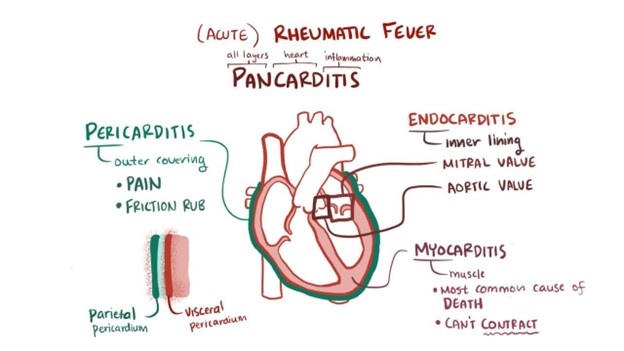
Option A is not specific to rheumatic fever, and while electrolyte imbalances may be monitored and managed in certain cases of severe illness, it is not a core aspect of managing RF.
Option B is not accurate. While many children with RF do recover fully with appropriate treatment, they may be at risk of developing rheumatic heart disease, which can lead to long-term complications if not managed properly.
Option D is not a direct implication of RF. Rheumatic fever is not a genetically inherited condition, but a complication of strep throat caused by a bacterial infection. There is no evidence to suggest that having RF would directly affect the genetic implications for future offspring.
Correct Answer is B
Explanation
Following a cardiac catheterization, the nurse should provide the parent with appropriate discharge instructions to ensure the child's proper recovery. The correct instruction to include is option B: "Give the child acetaminophen for discomfort."
Explanation:
Option A: Offering the child clear liquids for the first 24 hours is not a typical instruction following a cardiac catheterization. After the procedure, the child may be allowed to resume a regular diet, as tolerated, based on the healthcare provider's orders.
Option B: This is the correct instruction. After cardiac catheterization, the child may experience some discomfort at the insertion site or the area where the catheter was threaded through the blood vessels. Acetaminophen can be used to manage mild pain or discomfort.
Option C: Taking a tub bath for the first 3 days is not typically mentioned in discharge instructions after a cardiac catheterization. The nurse might advise the parent to avoid submerging the catheter insertion site in water for a specific period and instead use sponge baths until permitted by the healthcare provider.
Option D: Keeping the child home for 1 week is not a standard recommendation for a cardiac catheterization. The recovery period after a cardiac catheterization is usually shorter, and the child can often resume normal activities within a day or two, depending on the specific circumstances of the procedure and the child's condition.
The nurse should thoroughly review the specific discharge instructions provided by the healthcare provider and ensure the parent understands the care required at home, including any restrictions on activities or signs of potential complications that require immediate attention.
Whether you are a student looking to ace your exams or a practicing nurse seeking to enhance your expertise , our nursing education contents will empower you with the confidence and competence to make a difference in the lives of patients and become a respected leader in the healthcare field.
Visit Naxlex, invest in your future and unlock endless possibilities with our unparalleled nursing education contents today