
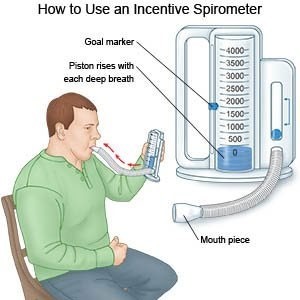
A nurse is providing education to a postoperative client on how to use an incentive spirometer. Which of the following is an accurate step that should be included in the education plan?
Instruct the client to inhale slowly and as deeply as possible through the mouthpiece without using the nose.
Instruct the client to inhale normally and then place the lips securely around the mouthpiece.
Encourage the client to perform incentive spirometry 2 to 3 times every 1 to 2 hours, if possible.
When the client cannot inhale anymore, the client should hold his breath and count to 10.
The Correct Answer is A
When providing education to a postoperative client on how to use an incentive spirometer, an accurate step that should be included in the education plan is to instruct the client to inhale slowly and as deeply as possible through the mouthpiece without using the nose ¹⁴. This helps the client to take deep breaths and fully expand their lungs. The other options (Instruct the client to inhale normally and then place the lips securely around the mouthpiece, Encourage the client to perform incentive spirometry 2 to 3 times every 1 to 2 hours, if possible, and When the client cannot inhale anymore, the client should hold his breath and count to 10) are not accurate steps that should be included in the education plan.
Nursing Test Bank
Naxlex Comprehensive Predictor Exams
Related Questions
Correct Answer is ["C","D"]
Explanation
When planning interventions to promote a client's appetite, it would be important to include providing a tidy, clean environment that is free of unpleasant sights or odors and encouraging or providing oral hygiene after mealtime in the client's plan. A pleasant and comfortable environment can help stimulate the appetite and make mealtime more enjoyable. Good oral hygiene can also help improve the taste of food and promote appetite. Unpleasant or uncomfortable treatments should not be performed before or after a meal as they may decrease the client's appetite. Providing unfamiliar food may not be helpful in promoting appetite as clients may prefer familiar and comforting foods.
Correct Answer is D
Explanation
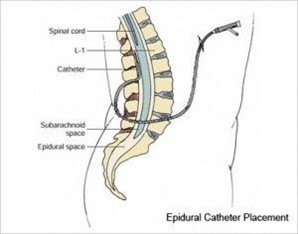
The nurse should immediately report a respiratory rate of 8 to the physician. A normal respiratory rate for an adult is between 12 and 20 breaths per minute. A respiratory rate of 8 is considered abnormally low and can indicate respiratory depression, which can be a side effect of pain medication delivered through an epidural catheter. It is important for the nurse to report this finding immediately so that appropriate interventions can be taken to ensure the safety of the client.
Whether you are a student looking to ace your exams or a practicing nurse seeking to enhance your expertise , our nursing education contents will empower you with the confidence and competence to make a difference in the lives of patients and become a respected leader in the healthcare field.
Visit Naxlex, invest in your future and unlock endless possibilities with our unparalleled nursing education contents today