
A nurse is reinforcing teaching to a newly licensed nurse about bowel sounds.
Which of the following characteristics should the nurse use to describe hyperactive bowel sounds?
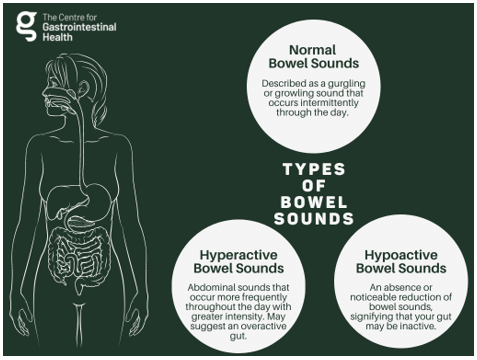
Sounds are high-pitched
Can be a result of a paralytic ileus
Indicates decreased motility
Sounds are soft and at a rate of 1/min
The Correct Answer is A
a. Sounds are high-pitched.
Hyperactive bowel sounds are bowel sounds that are louder and more frequent than normal. They may be heard as high-pitched rushing or tinkling sounds that occur irregularly at a rate greater than 5-6 sounds per minute. They are often associated with increased intestinal motility, such as in diarrhea, gastroenteritis, or early bowel obstruction.
Option b is incorrect because hyperactive bowel sounds are not typically associated with a paralytic ileus, which is a condition where the bowel stops working and there is a lack of bowel sounds.
Option c is incorrect because hyperactive bowel sounds indicate increased motility, not decreased motility.
Option d is incorrect because soft bowel sounds at a rate of 1/min are considered hypoactive bowel sounds, which can be a sign of decreased intestinal motility, as seen in constipation or postoperative ileus.
Nursing Test Bank
Naxlex Comprehensive Predictor Exams
Related Questions
Correct Answer is D
Explanation
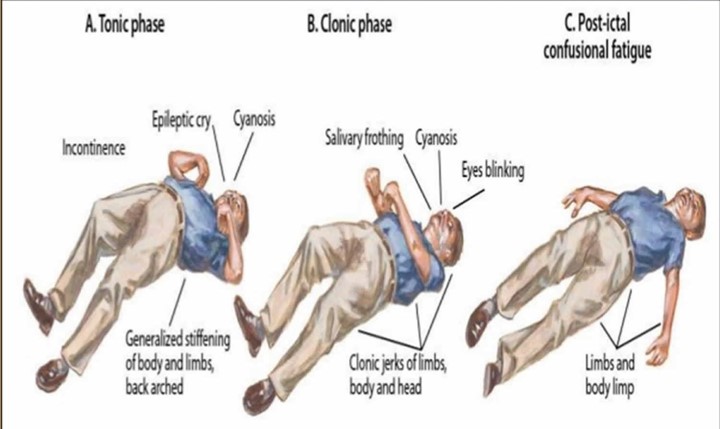
After a tonic-clonic seizure, the nurse should first check the child for any injuries, particularly in the oral cavity. This is because during a seizure, the child's tongue may have been biten, or there may be other oral injuries. Therefore, it is essential to check the oral cavity for any injury or bleeding.
Offering sips of clear fluids is not a priority at this time as the child may still be disoriented and at risk of choking. Placing the child in a supine position is also not recommended because the child may have difficulty breathing due to muscle weakness or constriction of the airways. Administering an oral antiepileptic medication is not appropriate at this time unless prescribed by a healthcare provider.
Correct Answer is B
Explanation
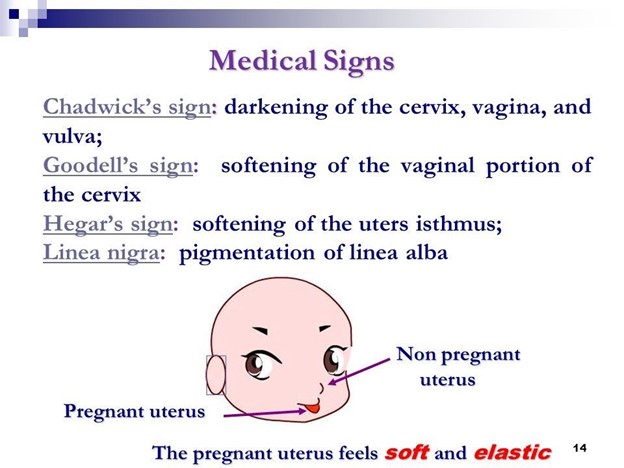
Chadwick's sign is a bluish or purplish discoloration of the cervix, vagina, and vulva that can occur during pregnancy. It is caused by increased blood flow and vascular changes in the area. It is considered a normal finding in early pregnancy and is often used as a sign to support the diagnosis of pregnancy.
Ballottement refers to a palpable rebound of the fetus when the examiner pushes on the mother's abdomen.
Hegar's sign is the softening and compressibility of the lower uterine segment, which can be felt during a bimanual examination.
Chloasma refers to the development of hyperpigmented patches on the face, often referred to as the "mask of pregnancy."
Whether you are a student looking to ace your exams or a practicing nurse seeking to enhance your expertise , our nursing education contents will empower you with the confidence and competence to make a difference in the lives of patients and become a respected leader in the healthcare field.
Visit Naxlex, invest in your future and unlock endless possibilities with our unparalleled nursing education contents today