
A nurse is reinforcing teaching with a client who is undergoing radiation therapy to the neck.
Which of the following instructions should the nurse include in the teaching?
Avoid exposing the neck to the cold.
Eat three large meals each day.
Cleanse the neck by rubbing with a washcloth.
Limit fluid intake to 750 mL per day.
The Correct Answer is A
Radiation therapy can cause increased sensitivity and dryness in the skin. Exposing the neck to cold temperatures may exacerbate these symptoms and potentially lead to discomfort or skin damage. Encourage the client to keep the neck covered and warm, especially when going outside in cold weather.
While proper nutrition is important during radiation therapy, the specific instruction to eat three large meals each day is not necessarily applicable or beneficial. It is generally recommended to have a balanced and nutritious diet, which may include smaller, frequent meals or snacks if the client's appetite is affected.
During radiation therapy, the skin in the treatment area can become sensitive and prone to irritation. Rubbing the neck vigorously with a washcloth can further irritate the skin. Instead, advise the client to gently cleanse the neck using a mild, non-irritating soap and patting the skin dry with a soft towel.
While radiation therapy can cause certain side effects, such as dry mouth or difficulty swallowing, it is generally not necessary to restrict fluid intake unless specifically advised by the healthcare provider. Adequate hydration is important for overall health and well-being, and the client should be encouraged to drink enough fluids unless instructed otherwise.
Nursing Test Bank
Naxlex Comprehensive Predictor Exams
Related Questions
Correct Answer is C
Explanation
Grapes are round and can easily get stuck in a child's throat, leading to choking. The other foods listed (corn, oranges, and potatoes) are less likely to cause choking because they can be cut into smaller pieces or are less likely to get stuck in a child's airway.
Correct Answer is D
Explanation
d. Muscle pain.
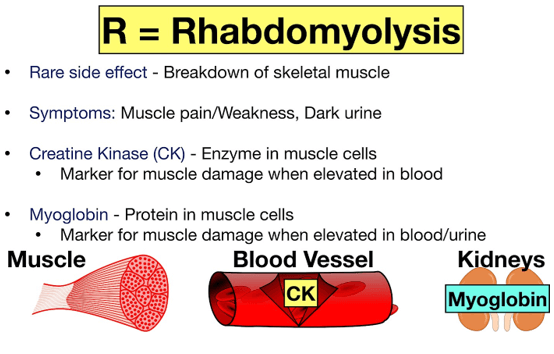
Atorvastatin is a medication used to lower cholesterol levels in the blood. One of the potential adverse effects of atorvastatin is myopathy, a condition characterized by muscle pain, weakness, and tenderness. In severe cases, myopathy can progress to rhabdomyolysis, a potentially life-threatening condition in which muscle breakdown products are released into the bloodstream and can cause kidney damage.
Therefore, the nurse should instruct the client to monitor for muscle pain, weakness, or tenderness and report these symptoms to the healthcare provider immediately. Hypoglycemia, palpitations, and daytime drowsiness are not commonly associated with atorvastatin use and would not require immediate reporting to the healthcare provider.
Whether you are a student looking to ace your exams or a practicing nurse seeking to enhance your expertise , our nursing education contents will empower you with the confidence and competence to make a difference in the lives of patients and become a respected leader in the healthcare field.
Visit Naxlex, invest in your future and unlock endless possibilities with our unparalleled nursing education contents today