
A nurse is reviewing new prescriptions for a client. Which of the following prescriptions should the nurse clarify?
Propranolol extended-release 80 mg PO daily
Sertraline 125 mg daily
Pantoprazole 40 mg PO BID
Clonidine transdermal 0.1 mg/24h apply every 7 days
The Correct Answer is B
Choice A reason: Propranolol extended-release 80 mg PO daily is a standard prescription for hypertension and certain types of heart conditions. The dosage and frequency are within normal ranges, and the route of administration (PO, per os, or orally) is clear.
Choice B reason: Sertraline is typically prescribed at doses ranging from 50 to 200 mg daily for adults. A dose of 125 mg daily is not a standard increment for sertraline tablets, which come in 25 mg, 50 mg, and 100 mg strengths. Therefore, the nurse should clarify this prescription to ensure proper dosing and to confirm if the provider intends for the patient to take a combination of tablets to achieve this dose.
Choice C reason: Pantoprazole 40 mg PO BID (twice a day) is a common prescription for conditions like GERD or erosive esophagitis. The dosage, frequency, and route are appropriate and do not require clarification⁶.
Choice D reason: Clonidine transdermal 0.1 mg/24h applied every 7 days is a typical prescription for managing hypertension. The patch provides a continuous dose over a week, which is a standard practice for this form of medication.
Nursing Test Bank
Naxlex Comprehensive Predictor Exams
Related Questions
Correct Answer is ["0.6"]
Explanation
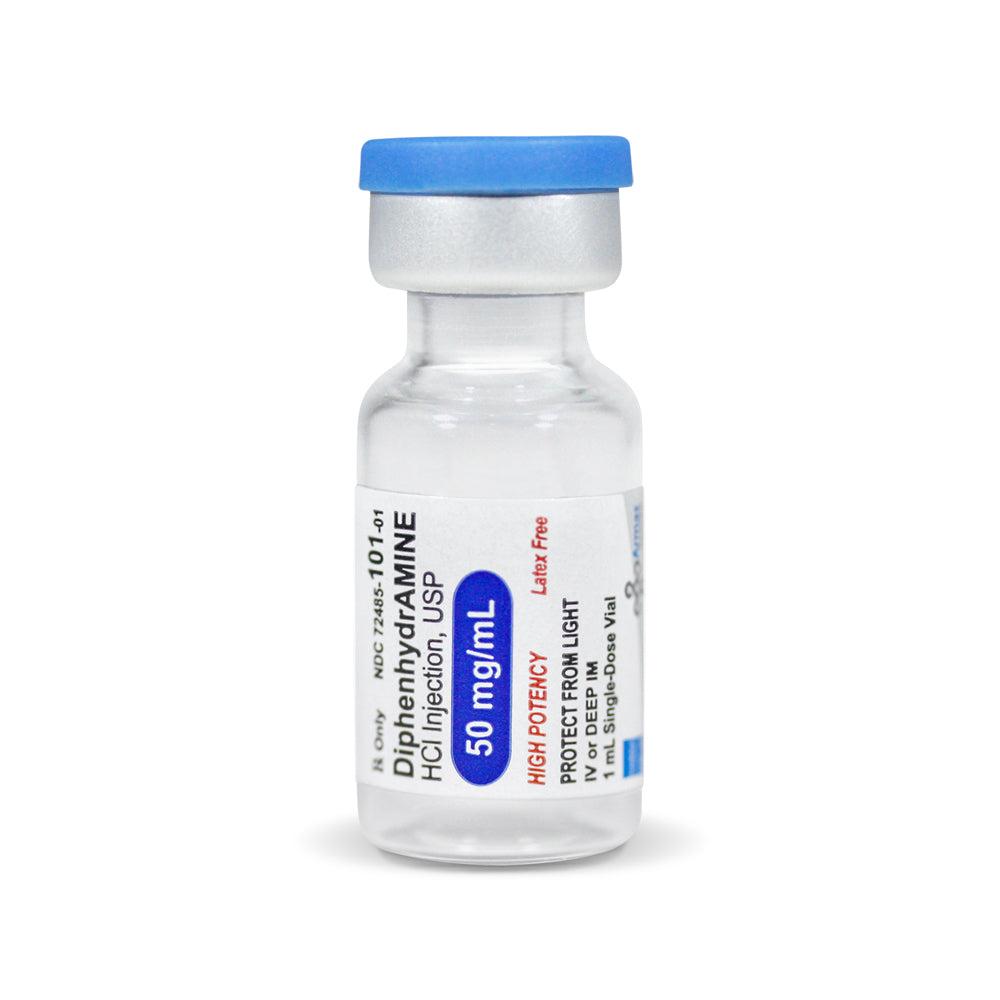
Step 1: Define the total amount of diphenhydramine needed Total dose = 30 mg
Step 2: Define the concentration of the available diphenhydramine injection Concentration = 50 mg/mL
Step 3: Calculate the volume of diphenhydramine injection needed Volume = Total dose ÷ Concentration Volume = 30 mg ÷ 50 mg/mL Volume = 0.6 mL
The nurse should administer 0.6 mL of diphenhydramine injection per dose
Correct Answer is B
Explanation
The correct answer is choice B: Dosage.
Choice A rationale: The medication name is an essential component of a medication prescription, identifying the specific medication to be administered. In this case, the medication name is already provided as "Zopiclone."
Choice B rationale: Dosage is a crucial element of a medication prescription, indicating the amount of the medication to be administered. Although the prescription mentions "1 tablet," the strength or dosage of the Zopiclone tablet (e.g., 5 mg, 7.5 mg) is missing. The nurse should ask the provider to specify the dosage to ensure accurate and safe medication administration.
Choice C rationale: Frequency refers to how often the medication should be taken. The given prescription states "at bedtime," which specifies when the medication should be administered.
Choice D rationale: Route describes the method used to administer the medication. This prescription mentions the route as "PO," which stands for "by mouth" (per os).
In conclusion, a nurse should ensure that a medication prescription includes all essential components, such as medication name, dosage, frequency, and route. In this case, the dosage of Zopiclone is missing, and the nurse should ask the provider to add this information to the prescription to ensure accurate and safe administration of the medication.
Whether you are a student looking to ace your exams or a practicing nurse seeking to enhance your expertise , our nursing education contents will empower you with the confidence and competence to make a difference in the lives of patients and become a respected leader in the healthcare field.
Visit Naxlex, invest in your future and unlock endless possibilities with our unparalleled nursing education contents today