
A nurse is teaching a hypertensive client who is taking hydrochlorothiazide. What client statement indicates understanding about hydrochlorothiazide?
"I will not take this medicine when my blood pressure is okay"
"I will check blood pressure in both arms and legs before taking the drug."
"I will decrease potassium foods such as bananas in my diet."
"I will take this medication in the morning since I will be urinating more."
The Correct Answer is D
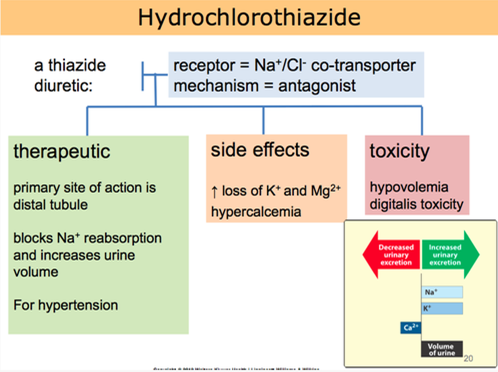
Hydrochlorothiazide is a diuretic medication commonly prescribed for hypertension. It works by increasing urine output, which helps to reduce fluid volume and lower blood pressure. Taking the medication in the morning is beneficial because the increased urine production during the day can help prevent nighttime disruptions due to frequent urination.
Let's go through the other statements and explain why they are not accurate:
"I will not take this medicine when my blood pressure is okay":
This statement indicates a misunderstanding about the purpose of hydrochlorothiazide. It is important to take prescribed medications consistently, even when blood pressure readings are within the normal range, as they are intended to help maintain blood pressure control.
"I will check blood pressure in both arms and legs before taking the drug":
Checking blood pressure in both arms and legs is not directly related to hydrochlorothiazide use. Blood pressure should be monitored regularly, but it is not necessary to perform these measurements specifically before taking the medication.
"I will decrease potassium foods such as bananas in my diet":
Hydrochlorothiazide can cause potassium loss as a side effect. However, reducing potassium-rich foods without healthcare provider guidance may not be appropriate. It is important for the client to discuss dietary adjustments and potassium supplementation with their healthcare provider if needed.
Nursing Test Bank
Naxlex Comprehensive Predictor Exams
Related Questions
Correct Answer is D
Explanation
Helping to position a client for a portable x-ray generally involves physically assisting the client in moving into the appropriate position or adjusting their body as needed. This task can be safely delegated to the UAP as long as they have received proper training on how to safely assist with positioning and have a clear understanding of the specific instructions provided by the radiology department.
Assisting the client to take the beta-blocker involves administering medication, which falls within the scope of nursing practice and requires the nurse's expertise in medication administration and monitoring the client's response.
Transporting the client to the intensive care unit via a stretcher involves moving the client to another unit and may require additional monitoring and coordination of care during the transfer. This task is best performed by the nurse, who can assess the client's stability, ensure appropriate documentation, and communicate effectively with the receiving unit.
Providing discharge-teaching instructions to the client going home requires the nurse to provide information about medications, wound care, follow-up appointments, and other important instructions. This task involves comprehensive education and assessment ofthe client's understanding, and is best performed by the nurse to ensure accurate and complete information is provided.
Correct Answer is A
Explanation
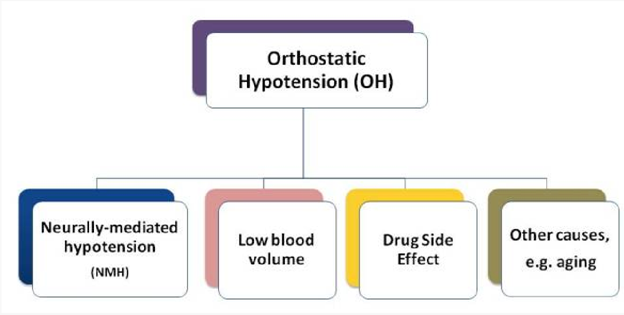
The information that the nurse should include in the teaching plan for a client with hypertension who is on alpha blockers and at risk for postural hypotension is: Change positions slowly.
Alpha blockers are a class of medications commonly prescribed for hypertension. One potential side effect of alpha blockers is postural hypotension, which is a sudden drop in blood pressure when changing positions, such as from sitting to standing. To minimize the risk of postural hypotension, it is important for the client to change positions slowly. The nurse should advise the client to take their time when transitioning from lying down, sitting, or standing, allowing their body to adjust and stabilize their blood pressure.
The other options are not appropriate or helpful in managing postural hypotension:
Check blood pressure every day for signs of rebound hypertension: Rebound hypertension refers to a sudden increase in blood pressure that can occur when discontinuing certain antihypertensive medications. It is not directly related to postural hypotension. Regular blood pressure monitoring is important for managing hypertension, but it is not specifically related to postural hypotension or alpha blockers.
Do not become dependent on canes, walkers, or handrails: Assistive devices like canes, walkers, or handrails can provide support and stability for individuals who experience balance issues or are at risk of falls. It is not necessary to discourage their use unless there are specific contraindications or safety concerns.
Eat plenty of salty food to prevent hypotension: Increasing salt intake is generally not recommended for individuals with hypertension or those at risk of postural hypotension. A high-sodium diet can contribute to elevated blood pressure and is generally discouraged. The nurse should instead encourage a balanced diet that includes appropriate sodium intake based on the client's healthcare provider's recommendations.
Whether you are a student looking to ace your exams or a practicing nurse seeking to enhance your expertise , our nursing education contents will empower you with the confidence and competence to make a difference in the lives of patients and become a respected leader in the healthcare field.
Visit Naxlex, invest in your future and unlock endless possibilities with our unparalleled nursing education contents today