
A nurse is using an AED on a client who has ventricular fibrillation. The nurse should attach the AED pads to which of the following locations on the client's chest? (Select all that apply.)
The upper right side below the collarbone
The lower left side below the nipple
The lower right side above the navel
The upper left side above the nipple
The lower left side above the hip
Correct Answer : A,B
Choice A Reason: This choice is correct because it places one pad on the upper right side below the collarbone, which is close to the right ventricle of the heart.
Choice B Reason: This choice is correct because it places one pad on the lower left side below the nipple, which is close to the left ventricle of the heart.
Choice C Reason: This choice is incorrect because it places one pad on the lower right side above the navel, which is too far from the heart and may interfere with abdominal organs.
Choice D Reason: This choice is incorrect because it places one pad on the upper left side above the nipple, which is too high and may interfere with lung tissue.
Choice E Reason: This choice is incorrect because it places one pad on the lower left side above the hip, which is too far from the heart and may interfere with pelvic organs.
Nursing Test Bank
Naxlex Comprehensive Predictor Exams
Related Questions
Correct Answer is B
Explanation
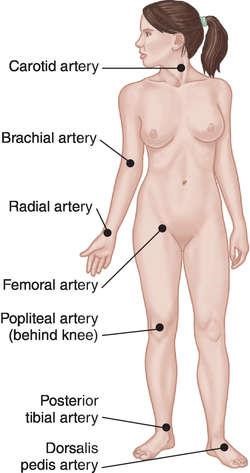
Choice A Reason: This choice is incorrect because it describes the location of the carotid artery, which is used to check for a pulse in an adult.
Choice B Reason: This choice is correct because it describes the location of the brachial artery, which is used to check for a pulse in a child or an infant.
Choice C Reason: This choice is incorrect because it describes the location of the radial artery, which is used to check for a pulse in an adult or a conscious child.
Choice D Reason: This choice is incorrect because it describes the location of the popliteal artery, which is not used to check for a pulse in CPR.
Correct Answer is C
Explanation
Choice A Reason: This choice is incorrect because giving two breaths after every 10 compressions would interrupt the chest compressions too frequently and reduce blood flow.
Choice B Reason: This choice is incorrect because giving two breaths after every 15 compressions would interrupt the chest compressions too frequently and reduce blood flow.
Choice C Reason: This choice is correct because giving two breaths after every 30 compressions is the recommended ratio of compressions to breaths for CPR as described in the text.
Choice D Reason: This choice is incorrect because giving two breaths after every 50 compressions would delay the ventilation too long and cause hypoxia.
Whether you are a student looking to ace your exams or a practicing nurse seeking to enhance your expertise , our nursing education contents will empower you with the confidence and competence to make a difference in the lives of patients and become a respected leader in the healthcare field.
Visit Naxlex, invest in your future and unlock endless possibilities with our unparalleled nursing education contents today