
A nurse suspects an umbilical cord prolapse. Which of the following is the priority intervention?
Elevate the presenting part
Delay intervention
Encourage pushing
Reposition to supine
The Correct Answer is A
Umbilical cord prolapse occurs when the cord descends through the cervix ahead of the fetal presenting part. This mechanical compression leads to immediate fetal hypoxia due to the interruption of umbilical vein and artery blood flow. It constitutes an obstetric emergency requiring rapid decompression and surgical delivery.
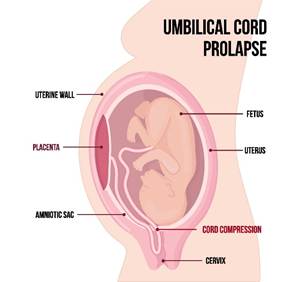
A. Elevate the presenting part: Manual upward pressure on the fetal head or breech relieves the mechanical compression on the prolapsed cord. This action preserves fetal oxygenation by maintaining patent umbilical vessels while preparing for an emergency cesarean section. It is the most critical immediate intervention to prevent fetal death.
B. Delay intervention: Any hesitation in a prolapse scenario leads to prolonged asphyxiation and irreversible neurological damage or intrauterine demise. The time between diagnosis and delivery must be minimized to ensure neonatal survival. Delaying treatment is a failure of standard clinical practice in emergency obstetrics.
C. Encourage pushing: Increasing maternal bearing-down efforts forces the fetus further into the pelvis, worsening the vascular occlusion of the cord. Pushing accelerates fetal distress and reduces the chances of a successful rescue. Efforts should focus on relieving pressure rather than advancing the second stage of labor.
D. Reposition to supine: The supine position allows gravity to further compress the cord against the pelvic brim and may cause aortocaval compression. Patients should instead be placed in a Trendelenburg or knee-chest position to help move the fetus away from the cervix. Supine positioning is detrimental in this clinical context.
Nursing Test Bank
Naxlex Comprehensive Predictor Exams
Related Questions
Correct Answer is C
Explanation
Toxoplasmosis is an infection caused by the protozoan Toxoplasma gondii, which is often transmitted through contact with oocysts in cat feces. If contracted during pregnancy, the parasite can cross the placenta, leading to congenital toxoplasmosis. This can result in chorioretinitis, intracranial calcifications, and fetal hydrocephalus.
A. HIV: Human immunodeficiency virus is transmitted through blood, sexual contact, or vertical transmission from mother to child. It is not associated with feline waste or environmental exposure to cat litter. Prevention focuses on antiretroviral therapy and avoiding high-risk blood or sexual exposures.
B. Hepatitis B: This viral infection is transmitted through exposure to infected blood or body fluids. It is not a zoonotic disease associated with cats or their litter. Vaccination and the use of universal precautions are the primary methods for preventing Hepatitis B transmission in pregnant populations.
C. Toxoplasmosis: Cats serve as the definitive host for the T. gondii parasite, shedding infectious oocysts in their stool. Pregnant women should delegate litter box cleaning to others to avoid accidental ingestion of these oocysts. This is a critical prenatal teaching point to prevent severe fetal neurological damage.
D. Rubella: Also known as German measles, Rubella is a viral infection spread through respiratory droplets between humans. It is not linked to animals. Prevention is achieved through pre-conception immunization with the MMR vaccine, as the vaccine is contraindicated during pregnancy itself.
Correct Answer is C
Explanation
Once the head is delivered, the nurse or midwife must immediately assess for the presence of an umbilical cord wrapped around the fetal neck. If a nuchal cord is present and tight, it can cause fetal hypoxia during the delivery of the shoulders. Identifying and managing this risk is a critical safety step.
A. Prevent hemorrhage: Stopping the delivery process does not prevent postpartum hemorrhage; in fact, the third stage of labor must be completed for the uterus to contract and stop bleeding. Hemorrhage management primarily focuses on uterine atony after the placenta is delivered.
B. Start oxytocin: Oxytocin is typically administered after the delivery of the shoulders or the placenta to promote uterine contraction. Starting it while the head is out but the body is still in the canal could cause uterine hyperstimulation, potentially trapping the fetus or causing trauma.
C. Check for nuchal cord: The provider slides a finger along the fetal neck to feel for the cord. If found, it is either slipped over the head or clamped and cut to allow the rest of the body to be born safely. This prevents cord compression during the final expulsive efforts.
D. Assess placenta: The placenta is not assessed until the entire neonate has been delivered and the umbilical cord has been clamped. It remains attached to the uterine wall during the birth of the fetus. Assessing the placenta too early is clinically impossible and irrelevant to the delivery of the body.
Whether you are a student looking to ace your exams or a practicing nurse seeking to enhance your expertise , our nursing education contents will empower you with the confidence and competence to make a difference in the lives of patients and become a respected leader in the healthcare field.
Visit Naxlex, invest in your future and unlock endless possibilities with our unparalleled nursing education contents today