
A patient who is experiencing symptoms of angina or a myocardial infarction is prescribed morphine for pain management. What is the rationale behind using morphine in the management of myocardial infarction pain?
Morphine prevents blood clot formation in the coronary arteries
Morphine enhances coronary artery blood flow and reduces myocardial oxygen demand
Morphine acts directly on the myocardium to improve contractility in myocardial infarction patients
Morphine increases heart rate and cardiac output in myocardial infarction patients
The Correct Answer is B
Choice A reason: Morphine is an opioid analgesic and has no clinically significant antiplatelet or anticoagulant properties. It cannot prevent the formation of thrombi in the coronary vasculature. Other pharmacological agents, such as aspirin or heparin, are indicated for the inhibition of platelet aggregation and thrombus formation.
Choice B reason: Morphine reduces anxiety and physical pain, which effectively lowers sympathetic nervous system outflow. This decrease in sympathetic activity leads to reduced heart rate and systemic vascular resistance (afterload), which in turn lowers myocardial oxygen demand. Furthermore, the reduction in preload improves the efficiency of coronary artery perfusion.
Choice C reason: Morphine does not exert a positive inotropic effect on the myocardium. In fact, excessive doses can cause myocardial depression. Its primary benefit in this context is through its sedative and analgesic effects, which indirectly stabilize hemodynamics rather than by directly altering the contractile force of the heart muscle.
Choice D reason: Morphine does not increase cardiac output or heart rate. Increasing the heart rate would be deleterious in a patient with a myocardial infarction as it would directly increase oxygen demand, worsening ischemia. Morphine generally tends to cause bradycardia or has little effect on heart rate at therapeutic doses.
Nursing Test Bank
Naxlex Comprehensive Predictor Exams
Related Questions
Correct Answer is A
Explanation
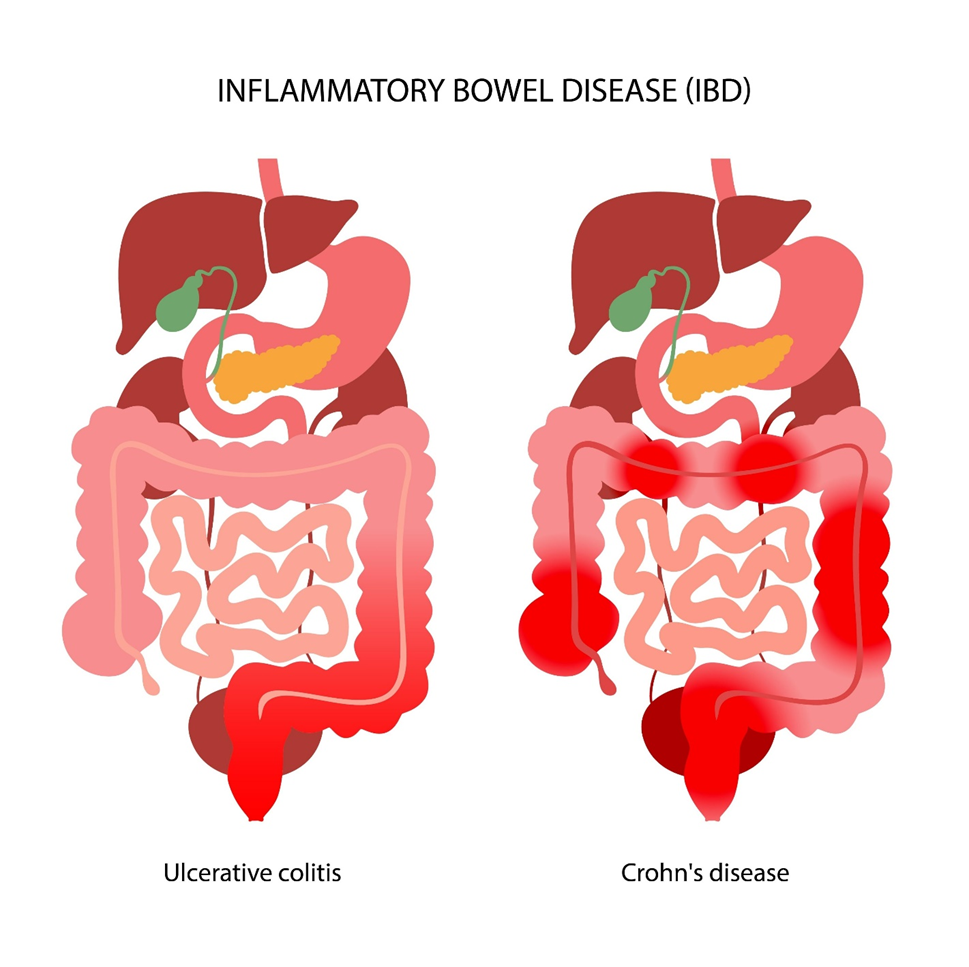
Choice A reason: Crohn's disease causes transmural inflammation of the gastrointestinal tract, leading to malabsorption, electrolyte imbalances, and nutritional deficiencies. Discussing diet is essential to identify trigger foods that exacerbate symptoms, such as diarrhea and abdominal pain, while ensuring adequate intake of protein, calories, and micronutrients to promote mucosal healing and general health.
Choice B reason: While resting during acute flares is advisable, suggesting that patients stop all physical activity is contraindicated. Regular, moderate physical activity helps maintain bone density—often compromised by corticosteroid use in these patients—and supports psychological well-being, which is vital for managing chronic, relapsing inflammatory bowel diseases.
Choice C reason: Consuming high-fat, calorie-dense foods is generally discouraged because patients with Crohn's disease often suffer from steatorrhea due to bile salt malabsorption. High-fat intake can significantly exacerbate diarrhea and abdominal discomfort, so nutritional management should instead focus on easily digestible, nutrient-dense foods that do not trigger severe bowel irritation.
Choice D reason: During an exacerbation of Crohn's disease, the intestinal mucosa is inflamed and ulcerated. Diets high in insoluble fiber, such as raw fruits, vegetables, and whole grains, can increase fecal bulk and intestinal transit, causing mechanical irritation of the inflamed bowel wall, which leads to increased pain and worsened diarrhea.
Correct Answer is A
Explanation
Choice A reason: Aspirin irreversibly inhibits the cyclooxygenase-1 enzyme within platelets, which prevents the synthesis of thromboxane A2. Thromboxane A2 is a potent stimulator of platelet aggregation and vasoconstriction. By blocking this pathway, aspirin effectively reduces the risk of thrombus formation on ruptured atherosclerotic plaques, preventing recurrent myocardial infarction.
Choice B reason: Aspirin does not possess positive inotropic properties to increase cardiac function. Furthermore, enhancing platelet function would be counterproductive in a patient with coronary artery disease, as it would promote clot formation, increasing the risk of re-infarction and occlusive coronary events, which is the opposite of the clinical goal.
Choice C reason: Aspirin is not an antihypertensive agent and does not significantly alter systemic blood pressure. While it improves coronary outcomes, it does so by preventing thrombotic occlusion rather than through direct vasodilatory mechanisms or by modulating systemic vascular resistance to improve general coronary perfusion.
Choice D reason: Aspirin does not have regenerative or proliferative properties that would accelerate the healing of myocardial scar tissue. The healing of the myocardium following necrosis involves inflammatory processes and collagen deposition, which are independent of the antiplatelet effects provided by aspirin therapy in secondary prevention.
Whether you are a student looking to ace your exams or a practicing nurse seeking to enhance your expertise , our nursing education contents will empower you with the confidence and competence to make a difference in the lives of patients and become a respected leader in the healthcare field.
Visit Naxlex, invest in your future and unlock endless possibilities with our unparalleled nursing education contents today