
A client receiving a blood transfusion calls the nurse to the room and reports feeling hot and itchy. The client's temperature is 101.5 F (38.6 C) after 100 ml of the blood is infused. What is the priority action for the nurse?
Slow the blood transfusion rate, stay with the client and notify the physician
Call for assistance, slow the blood transfusion rate to keep the vein open and wait for further orders
Stop the blood transfusion and maintain the intravenous site with 0.9% normal saline
Reassure the client that they will be okay and administer diphenhydramine
The Correct Answer is C
Choice A reason: Reducing the rate of the transfusion is inappropriate when a febrile or allergic reaction is suspected. Continuing to administer blood, even at a slower rate, allows more antigenic material to enter the systemic circulation, which could exacerbate the immune-mediated reaction and lead to severe, life-threatening anaphylaxis or septic shock.
Choice B reason: Calling for assistance is a reasonable step, but slowing the rate to keep the vein open is contraindicated. The primary objective is to immediately cease exposure to the causative agent. Keeping the line open with the current blood tubing would still permit residual blood products to enter the circulation.
Choice C reason: This is the correct priority action. When a client exhibits signs of a transfusion reaction, such as pyrexia and pruritus, the infusion must be halted immediately to prevent further adverse effects. Replacing the blood tubing with a new set and flushing with 0.9% normal saline maintains venous access for emergency intervention.
Choice D reason: While diphenhydramine is often used to manage mild allergic reactions, providing reassurance and medication before stopping the transfusion is negligent. The nurse must prioritize patient safety by eliminating the source of the potential transfusion-related acute lung injury or hemolytic reaction before initiating any pharmacologic symptom management.
Nursing Test Bank
Naxlex Comprehensive Predictor Exams
Related Questions
Correct Answer is B
Explanation
Choice A reason: Fatigue is a common, chronic symptom associated with the baseline anemia of sickle cell disease due to chronic hemolysis and decreased hemoglobin levels. While concerning if severe or new, it is generally considered a manageable symptom of the underlying condition rather than an acute medical emergency necessitating immediate intervention.
Choice B reason: Vomiting or diarrhea in a patient with sickle cell anemia represents a high risk for rapid dehydration. Dehydration increases blood viscosity and triggers sickling of red blood cells, which can precipitate a vaso-occlusive crisis. This necessitates immediate medical attention to maintain fluid and electrolyte balance and prevent further complications.
Choice C reason: Changes in weight are typically indicators of long-term nutritional status or metabolic shifts. While weight monitoring is important in chronic disease management, it does not represent an acute, life-threatening physiologic emergency requiring immediate medical attention compared to the rapid onset of dehydration from gastrointestinal distress in this population.
Choice D reason: Difficulty eating or sleeping may be indicative of various issues, including pain or psychosocial stressors. While these symptoms require assessment during follow-up visits or routine care, they are generally not acute physiological crises that require immediate emergency medical intervention unless accompanied by signs of severe illness or acute vaso-occlusive pain.
Correct Answer is A
Explanation
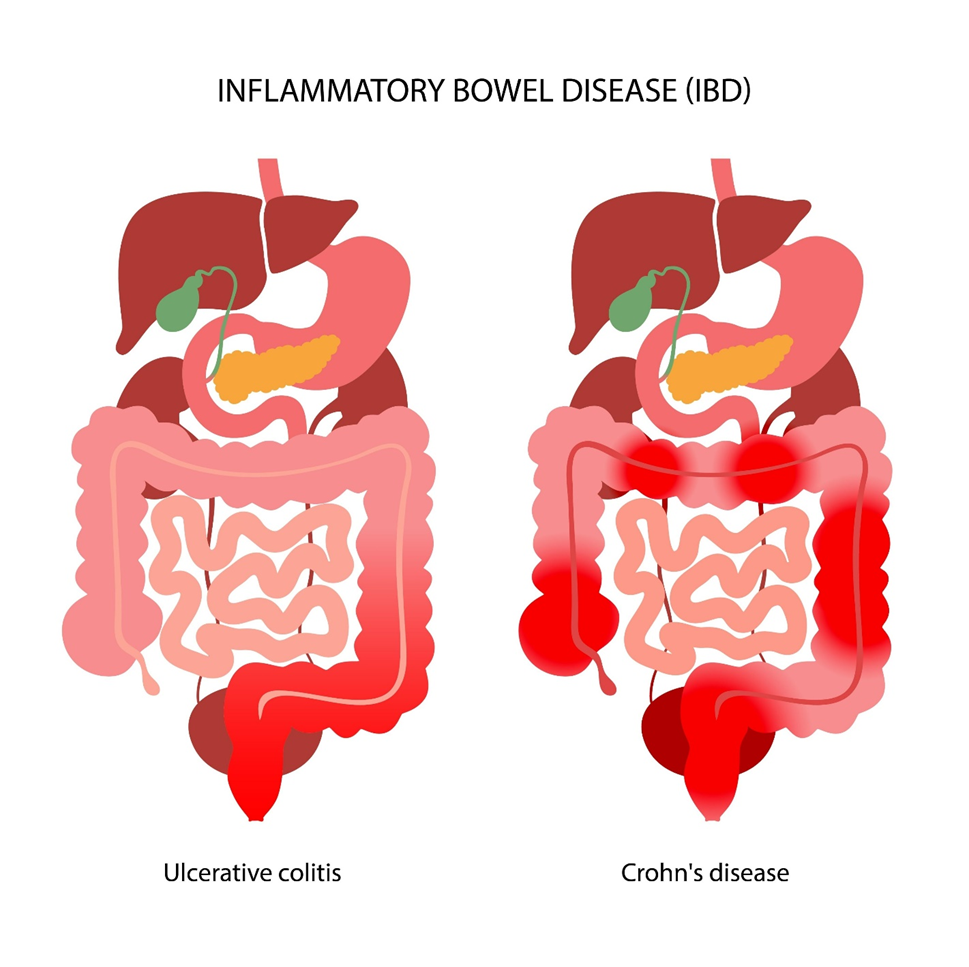
Choice A reason: Crohn's disease causes transmural inflammation of the gastrointestinal tract, leading to malabsorption, electrolyte imbalances, and nutritional deficiencies. Discussing diet is essential to identify trigger foods that exacerbate symptoms, such as diarrhea and abdominal pain, while ensuring adequate intake of protein, calories, and micronutrients to promote mucosal healing and general health.
Choice B reason: While resting during acute flares is advisable, suggesting that patients stop all physical activity is contraindicated. Regular, moderate physical activity helps maintain bone density—often compromised by corticosteroid use in these patients—and supports psychological well-being, which is vital for managing chronic, relapsing inflammatory bowel diseases.
Choice C reason: Consuming high-fat, calorie-dense foods is generally discouraged because patients with Crohn's disease often suffer from steatorrhea due to bile salt malabsorption. High-fat intake can significantly exacerbate diarrhea and abdominal discomfort, so nutritional management should instead focus on easily digestible, nutrient-dense foods that do not trigger severe bowel irritation.
Choice D reason: During an exacerbation of Crohn's disease, the intestinal mucosa is inflamed and ulcerated. Diets high in insoluble fiber, such as raw fruits, vegetables, and whole grains, can increase fecal bulk and intestinal transit, causing mechanical irritation of the inflamed bowel wall, which leads to increased pain and worsened diarrhea.
Whether you are a student looking to ace your exams or a practicing nurse seeking to enhance your expertise , our nursing education contents will empower you with the confidence and competence to make a difference in the lives of patients and become a respected leader in the healthcare field.
Visit Naxlex, invest in your future and unlock endless possibilities with our unparalleled nursing education contents today