
A patient with schizophrenia is prescribed clozapine. What should the nurse monitor for as the most serious potential adverse effect?
Tardive dyskinesia
Extrapyramidal symptoms
Serotonin syndrome
Agranulocytosis
The Correct Answer is D
Choice A reason: While tardive dyskinesia is a serious concern with many antipsychotics, clozapine is actually associated with a very low risk of this condition. In fact, clozapine is often used as a treatment strategy for patients who have already developed severe tardive dyskinesia from other neuroleptic medications.
Choice B reason: Clozapine has a unique pharmacological profile with low D2 receptor occupancy in the striatum, making extrapyramidal symptoms like tremors or rigidity highly unlikely. It is specifically chosen for patients who are treatment-resistant or highly sensitive to the motor side effects caused by other typical or atypical antipsychotics.
Choice C reason: Serotonin syndrome is a toxic state caused by excessive serotonergic activity, usually resulting from interactions between SSRIs, SNRIs, or MAOIs. While clozapine affects various neurotransmitter systems, it is not primarily associated with the development of serotonin syndrome, which presents with hyperreflexia, clonus, and autonomic instability.
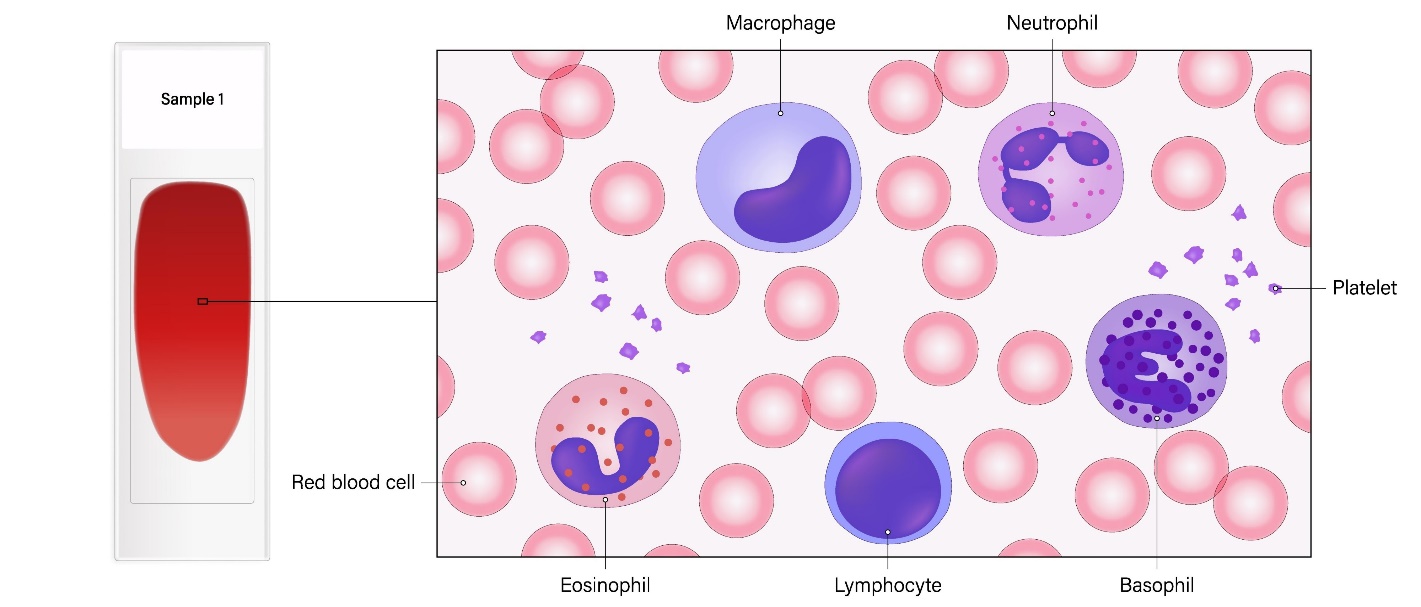
Choice D reason: Agranulocytosis is a life-threatening reduction in the white blood cell count (specifically neutrophils) that can occur in patients taking clozapine. This requires strict mandatory blood monitoring of the Absolute Neutrophil Count (ANC) to prevent severe sepsis or death, making it the most critical safety priority for the nurse.
Nursing Test Bank
Naxlex Comprehensive Predictor Exams
Related Questions
Correct Answer is D
Explanation
Choice A reason: Involuntary lip-smacking and facial grimacing are classic signs of tardive dyskinesia, not pseudoparkinsonism. These symptoms result from dopamine receptor supersensitivity in the nigrostriatal pathway after prolonged blockade and are often irreversible, unlike the symptoms associated with drug-induced parkinsonism.
Choice B reason: Acute muscle spasms, particularly those that result in abnormal posturing of the head or trunk, indicate acute dystonia. This is a rapid-onset extrapyramidal reaction that requires immediate intervention with anticholinergic medications like benztropine, whereas pseudoparkinsonism involves more generalized rigidity and slow movement patterns.
Choice C reason: The subjective and objective need to move, or the inability to remain seated, defines akathisia. While both are extrapyramidal symptoms caused by dopamine blockade, akathisia is a disorder of movement urgency, whereas pseudoparkinsonism mimics the motor deficits of idiopathic Parkinson’s disease.
Choice D reason: Pseudoparkinsonism is characterized by a constellation of symptoms including "lead-pipe" muscle stiffness, a shuffling gait with a narrowed base, and a mask-like facial expression. These symptoms are caused by the blockade of dopamine D2 receptors in the basal ganglia by antipsychotic medications.
Correct Answer is B
Explanation
Choice A reason: Initiating redundant diagnostic investigations for a patient diagnosed with somatic symptom disorder often exacerbates the pathology by reinforcing the client's preoccupation with physical illness. Repeated testing can lead to unnecessary medical trauma, increased healthcare costs, and the accidental discovery of incidentalomas, which further fuels health-related anxiety.
Choice B reason: The primary therapeutic objective in somatic symptom disorder is functional improvement rather than the total elimination of physical sensations. By focusing on symptom management and enhancing the quality of daily life, clinicians help patients develop coping mechanisms that reduce the disability associated with their perceived physical distress.
Choice C reason: While psychiatric consultation is often beneficial, an immediate referral without establishing a therapeutic alliance or explaining the rationale can feel like abandonment to the patient. Effective management typically involves a collaborative approach where the primary clinician maintains regular contact to provide a sense of security and validation.
Choice D reason: Simple reassurance that nothing is wrong is frequently perceived by the patient as a dismissal of their genuine suffering. Patients with this disorder experience real pain and discomfort; therefore, telling them they have nothing to worry about invalidates their subjective experience and often causes them to seek other providers.
Whether you are a student looking to ace your exams or a practicing nurse seeking to enhance your expertise , our nursing education contents will empower you with the confidence and competence to make a difference in the lives of patients and become a respected leader in the healthcare field.
Visit Naxlex, invest in your future and unlock endless possibilities with our unparalleled nursing education contents today