
A pediatric patient's parent seems anxious about the care plan. What is the nurse's best therapeutic communication strategy?
Focus exclusively on the child's condition and avoid engaging the parent's concerns.
Provide clear, detailed explanations and address their questions in a calm manner.
Reassure the parent quickly so they feel heard, and move on.
Use medical abbreviations to quickly outline next steps.
The Correct Answer is B
Choice A reason: Pediatric nursing requires a family-centered care approach. Ignoring a parent's anxiety can lead to a breakdown in trust and may negatively impact the child's care. Addressing parental concerns is essential for gathering accurate subjective data and ensuring the parent can effectively support the child's recovery process.
Choice B reason: Anxiety often stems from a lack of information or a perceived loss of control. Providing clear, evidence-based explanations helps demystify medical procedures and reduces the parent's autonomic nervous system arousal. A calm demeanor facilitates a therapeutic environment, allowing the parent to process information and participate in shared decision-making.
Choice C reason: Quick, "false" reassurances are non-therapeutic as they dismiss the parent's valid feelings. Effective communication requires active listening and presence. Moving on too quickly prevents the nurse from identifying specific stressors that may need intervention, potentially leading to increased parental distress and dissatisfaction with the healthcare team.
Choice D reason: The use of medical jargon or abbreviations can increase patient and family confusion, heightening anxiety levels. To ensure health literacy, the nurse must use plain language. Medical terminology acts as a barrier to understanding and prevents the parent from providing truly informed consent for the proposed care plan.
Nursing Test Bank
Naxlex Comprehensive Predictor Exams
Related Questions
Correct Answer is B
Explanation
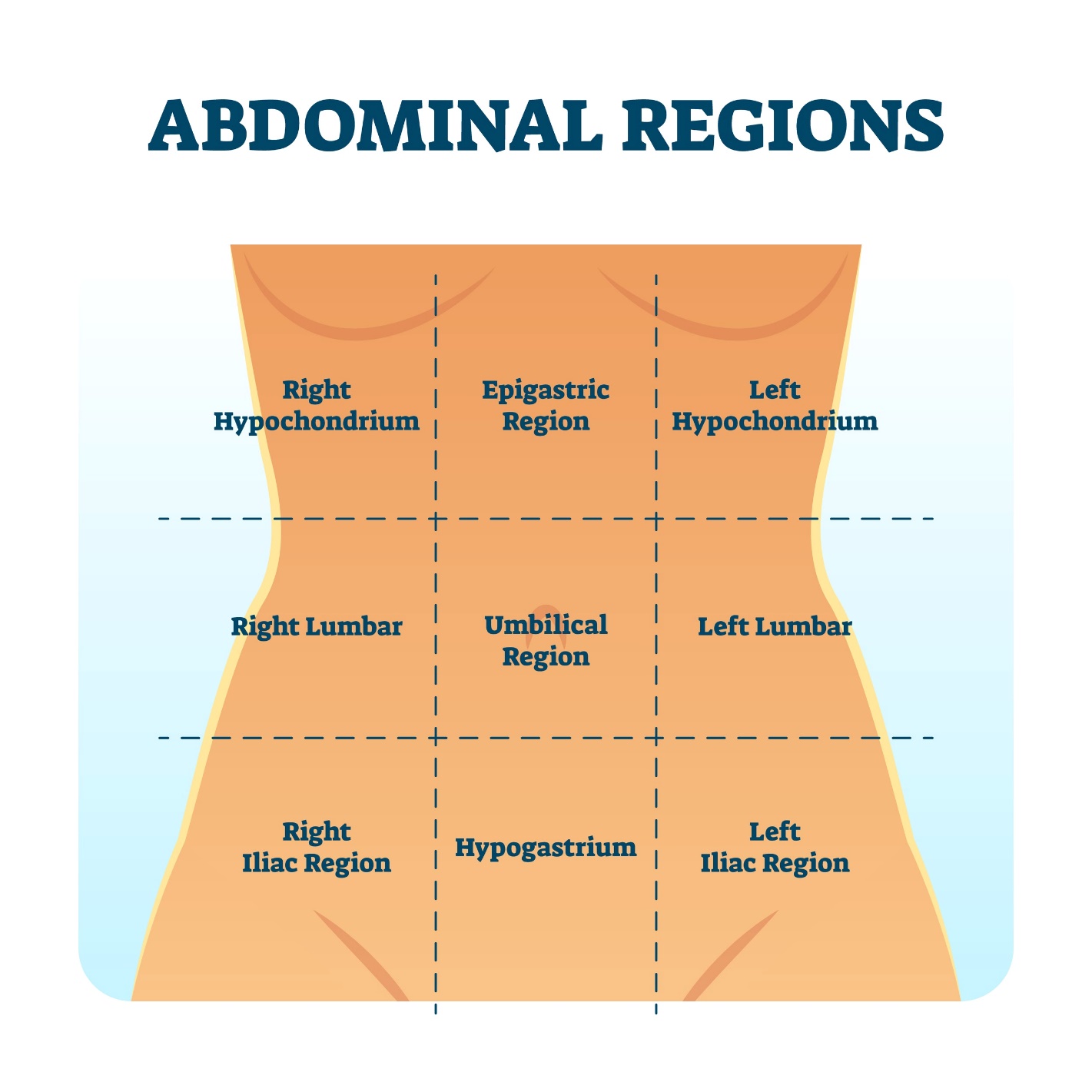
Choice A reason: Auscultation is the process of listening to sounds produced within the body, typically using a stethoscope. In an abdominal exam, it is used to assess bowel sounds and vascular bruits. It follows inspection but must precede percussion and palpation to ensure that bowel motility is not artificially stimulated.
Choice B reason: Inspection is the systematic visual observation of the patient, which is always the first step in a physical assessment. In the abdomen, the nurse inspects for contour, symmetry, skin integrity, pulsations, and the presence of striae or scars. This non-invasive step provides immediate clues regarding underlying pathology.
Shutterstock
Explore
Choice C reason: Percussion involves tapping the body surface to produce vibrations and sounds. This technique helps determine the density of underlying organs and the presence of fluid or gas. It is performed after inspection and auscultation to map out organ boundaries like the liver or spleen.
Choice D reason: Palpation is the use of touch to assess organ size, location, and the presence of tenderness or masses. It is the final step in the abdominal assessment sequence because deep pressure can alter bowel sounds and cause patient guarding, which would interfere with the accuracy of the preceding steps.
Correct Answer is A
Explanation
Choice A reason: Monitoring verbal responses to orientation questions regarding person, place, time, and situation is the primary clinical method for assessing the contents of consciousness. This technique evaluates the integration of cognitive functions and the ability of the cerebral cortex to process and articulate complex information, providing a clear metric for the level of awareness.
Choice B reason: Assessing gait while walking primarily evaluates cerebellar function, motor coordination, and musculoskeletal integrity rather than the level of consciousness. While a semi-conscious patient may have an altered gait, many patients with significantly impaired levels of consciousness are completely unable to ambulate, making this an inappropriate and potentially dangerous assessment tool for cognitive status.
Choice C reason: Asking a patient to shake hands is a simple command that tests the ability to follow instructions and motor response, but it does not provide a comprehensive view of orientation. A patient may perform this as a reflexive social gesture even while experiencing significant disorientation or delirium, thus failing to accurately gauge the depth of conscious awareness.
Choice D reason: Observing facial expressions provides subjective data regarding emotional state or pain levels but lacks the specificity required to determine a patient's level of consciousness. Facial symmetry or grimacing can occur in various states of altered consciousness or even in unconscious patients as a reflexive response to stimuli, making it an unreliable indicator of cognitive orientation.
Whether you are a student looking to ace your exams or a practicing nurse seeking to enhance your expertise , our nursing education contents will empower you with the confidence and competence to make a difference in the lives of patients and become a respected leader in the healthcare field.
Visit Naxlex, invest in your future and unlock endless possibilities with our unparalleled nursing education contents today