
A postmenopausal woman with uterine prolapse is being fitted with a pessary. The nurse would be most alert for which side effect?
Increased vaginal discharge
Urinary tract infection
Vaginitis
Vaginal ulceration
The Correct Answer is D
Choice A reason: Increased vaginal discharge is a normal and expected outcome of using a pessary, as it helps to lubricate and cleanse the vagina.
Choice B reason: Urinary tract infection is not a common side effect of using a pessary, as it does not interfere with urination or introduce bacteria into the urinary tract.
Choice C reason: Vaginitis is not a common side effect of using a pessary, as it does not cause inflammation or infection of the vagina. However, the client should maintain good hygiene and use vaginal cream or gel as prescribed to prevent irritation.
Choice D reason: Vaginal ulceration is a serious and possible side effect of using a pessary, as it can cause pressure necrosis and erosion of the vaginal mucosa. The client should report any bleeding, pain, or foul-smelling discharge to the provider and have the pessary removed and replaced regularly.
Nursing Test Bank
Naxlex Comprehensive Predictor Exams
Related Questions
Correct Answer is B
Explanation
Choice A: Upper back pain is not the correct answer because it is not a common finding associated with uterine fibroids. Upper back pain is a feeling of discomfort or ache in the upper part of the back, between the shoulder blades, or below the neck. It can be caused by various factors such as muscle strain, poor posture, or spinal problems. It is not related to the presence or growth of benign tumors in the uterus.
Choice B: Chronic pelvic pain is the correct answer because it is a common finding associated with uterine fibroids. Chronic pelvic pain is a feeling of discomfort or ache in the lower abdomen or pelvis that lasts for more than six months. It can be caused by various factors such as endometriosis, ovarian cysts, or infection. It is also related to the presence or growth of benign tumors in the uterus, which can press on nerves, blood vessels, or organs and cause inflammation, bleeding, or scarring.
Choice C: Amenorrhea is not the correct answer because it is not a common finding associated with uterine fibroids. Amenorrhea is a condition that causes the absence of menstrual periods for more than three months in a woman who is not pregnant, breastfeeding, or menopausal. It can be caused by various factors such as hormonal imbalance, stress, or weight loss. It is not related to the presence or growth of benign tumors in the uterus, which can cause heavy or irregular menstrual bleeding instead.
Choice D: Diarrhea is not the correct answer because it is not a common finding associated with uterine fibroids. Diarrhea is a condition that causes loose, watery, or frequent stools. It can be caused by various factors such as infection, medication, or food intolerance. It is not related to the presence or growth of benign tumors in the uterus, which can cause constipation or bloating instead.
Correct Answer is C
Explanation
Choice A: "Store your condoms in your wallet so they are ready for use." This statement is not correct and should not be included in the teaching plan. Storing condoms in a wallet can damage them by exposing them to heat, friction, or puncture. Damaged condoms can break or leak during sexual activity and increase the risk of STIs or pregnancy.
Choice B: "Use petroleum jelly with a latex condom for extra lubrication." This statement is not correct and should not be included in the teaching plan. Using petroleum jelly or any oil-based lubricant with a latex condom can weaken the latex material and cause it to break or slip off. Only water-based or silicone-based lubricants should be used with latex condoms.
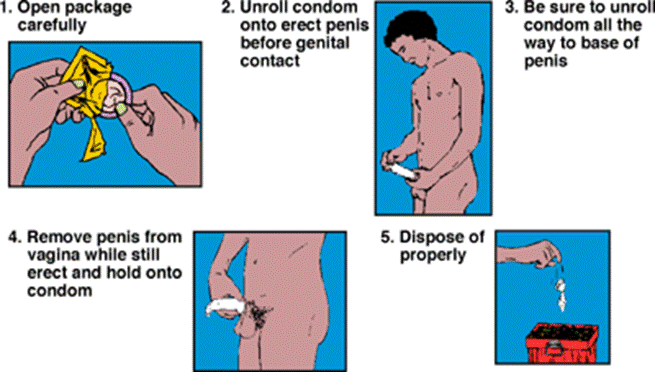
Choice C: "Put the condom on before engaging in any genital contact." This statement is correct and should be included in the teaching plan. Putting the condom on before engaging in any genital contact can prevent the transmission of STIs or pregnancy by avoiding contact with pre-ejaculate fluid, semen, or vaginal fluid.
Choice D: "You can reuse a condom if it's within 3 hours." This statement is not correct and should not be included in the teaching plan. Reusing a condom can increase the risk of STIs or pregnancy by exposing the partner to residual fluid, bacteria, or sperm. A new condom should be used for each sexual act.
Whether you are a student looking to ace your exams or a practicing nurse seeking to enhance your expertise , our nursing education contents will empower you with the confidence and competence to make a difference in the lives of patients and become a respected leader in the healthcare field.
Visit Naxlex, invest in your future and unlock endless possibilities with our unparalleled nursing education contents today