
A registered nurse is preparing a client who has chronic anxiety for discharge from the psychiatric unit.
Which of the following instructions should the nurse include in the client's discharge plan?
Identify anxiety-producing situations.
Try to repress feelings of anxiety.
Eliminate stress and anxiety from daily life.
Contact the crisis counselor once a week.
The Correct Answer is A
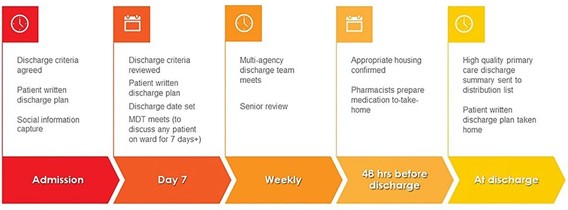
Chronic anxiety is a persistent feeling of unease, worry, or fear that can interfere with daily life. To manage chronic anxiety, the client needs to identify anxiety-producing situations that trigger their symptoms. This can help the client avoid or cope better with these situations. It is important to note that it is not always possible to eliminate stress and anxiety from daily life, so it is better to focus on managing it effectively.
Trying to repress feelings of anxiety is not a helpful strategy and can make the client's symptoms worse in the long run. Repressing emotions can lead to feelings of frustration, irritability, and even physical symptoms such as headaches or muscle tension.
Contacting the crisis counselor once a week may be helpful for some clients, but it is not a standard recommendation for all clients with chronic anxiety. The discharge plan should include personalized recommendations that are tailored to the client's specific needs and circumstances.
Nursing Test Bank
Naxlex Comprehensive Predictor Exams
Related Questions
Correct Answer is B
Explanation
The ethical principle of autonomy refers to an individual's right to make decisions about their own healthcare, treatment, and life choices. As a registered nurse, it is important to respect and promote the autonomy of patients. Option b best exemplifies the implementation of the ethical principle of autonomy because it involves exploring alternative solutions with the patient and allowing them to make their own choice among those alternatives. This approach respects the patient's right to make decisions about their own care, while also ensuring that they have the information they need to make an informed decision.
Option a suggests that the nurse is imposing their own decision on the patients, which violates the principle of autonomy.
Option c may involve staying with the patient to provide support and reassurance, but it does not necessarily involve promoting the patient's autonomy.
Option d involves intervening to prevent harm to the patient, which may be necessary at times but is not necessarily an example of promoting the patient's autonomy.

Correct Answer is D
Explanation
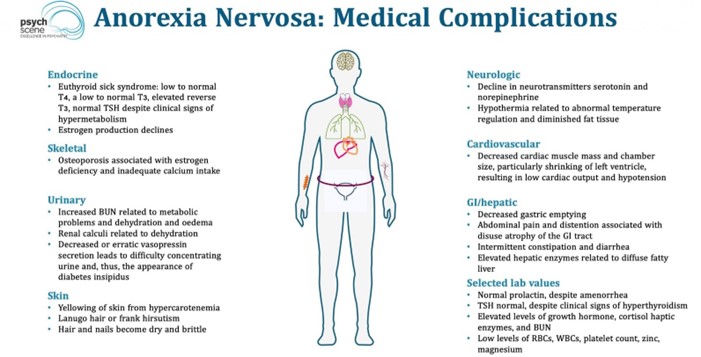
Refeeding syndrome is a potentially life-threatening complication that can occur when a person with anorexia nervosa or other forms of malnutrition begins to eat again after a period of starvation. It is characterized by electrolyte imbalances and fluid shifts that can lead to cardiovascular dysfunction, including heart failure and arrhythmias. Therefore, when caring for a patient with anorexia nervosa who is being refed, it is important for the nurse to closely monitor the patient’s cardiovascular system for signs of dysfunction.
Option a. Endocrine system dysfunction can occur in patients with anorexia nervosa, but it is not typically associated with refeeding syndrome.
Option b. Respiratory system dysfunction can occur in patients with anorexia nervosa, but it is not typically associated with refeeding syndrome.
Option c. Musculoskeletal system dysfunction can occur in patients with anorexia nervosa, but it is not typically associated with refeeding syndrome.
Whether you are a student looking to ace your exams or a practicing nurse seeking to enhance your expertise , our nursing education contents will empower you with the confidence and competence to make a difference in the lives of patients and become a respected leader in the healthcare field.
Visit Naxlex, invest in your future and unlock endless possibilities with our unparalleled nursing education contents today