
All of the following methods are used to culture viruses in a lab, except
cell culture
nutrient media
lab animals
embryonated eggs
The Correct Answer is B
A. cell culture: Viruses can be grown in cell cultures, where living host cells provide the machinery necessary for viral replication. This is a common laboratory method.
B. nutrient media: Viruses cannot grow on nutrient media alone because they require living host cells for replication. Nutrient media supports bacterial and fungal growth, not viruses.
C. lab animals: Some viruses require whole organisms for propagation, so laboratory animals can be used as hosts to study pathogenesis and replication.
D. embryonated eggs: Embryonated chicken eggs provide a supportive environment for viral growth and are widely used for vaccine production, such as influenza vaccines.
Nursing Test Bank
Naxlex Comprehensive Predictor Exams
Related Questions
Correct Answer is D
Explanation
A. shape: Viruses are classified by their capsid shape, which may be helical, icosahedral, or complex. This structural feature is a key criterion in viral taxonomy.
B. type of nucleic acid: Viral classification depends on whether the genome is DNA or RNA, single-stranded or double-stranded, and positive- or negative-sense.
C. size: The physical size of viruses, ranging from about 20 nm to 300 nm, is one of the factors used in classification.
D. ribosome size: Viruses do not contain ribosomes, as they rely on the host cell’s protein synthesis machinery. Therefore, ribosome size is not a characteristic used in viral classification.
Correct Answer is C
Explanation
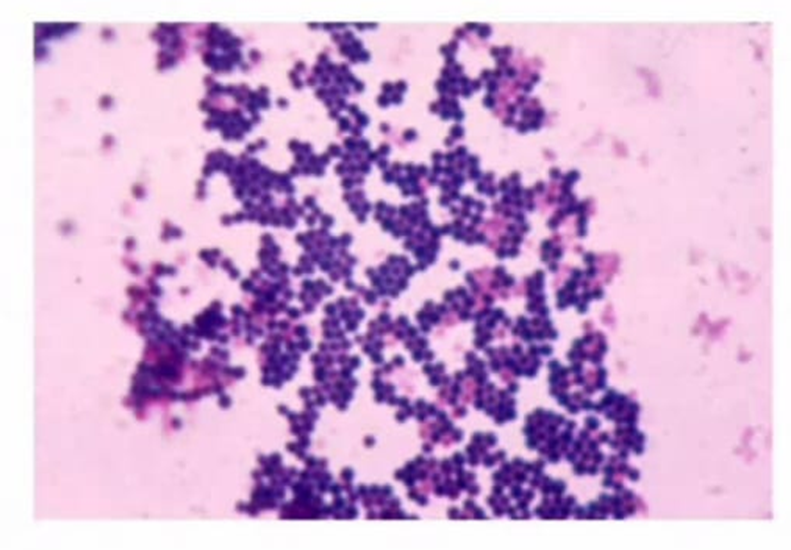
A. streptobacilli: Streptobacilli are rod-shaped bacteria arranged in chains. The image shows spherical bacteria.
B. streptococci: Streptococci are spherical bacteria that form chains. The bacteria in the image appear in clusters rather than chains.
C. staphylococci: Staphylococci are spherical bacteria that form grape-like clusters, which matches the arrangement seen in the image. This clustering pattern is a key characteristic of staphylococcal species.
D. palisades: Palisade arrangements refer to rod-shaped bacteria lined up side by side like a fence. The bacteria in the image are spherical and clustered.
Whether you are a student looking to ace your exams or a practicing nurse seeking to enhance your expertise , our nursing education contents will empower you with the confidence and competence to make a difference in the lives of patients and become a respected leader in the healthcare field.
Visit Naxlex, invest in your future and unlock endless possibilities with our unparalleled nursing education contents today