
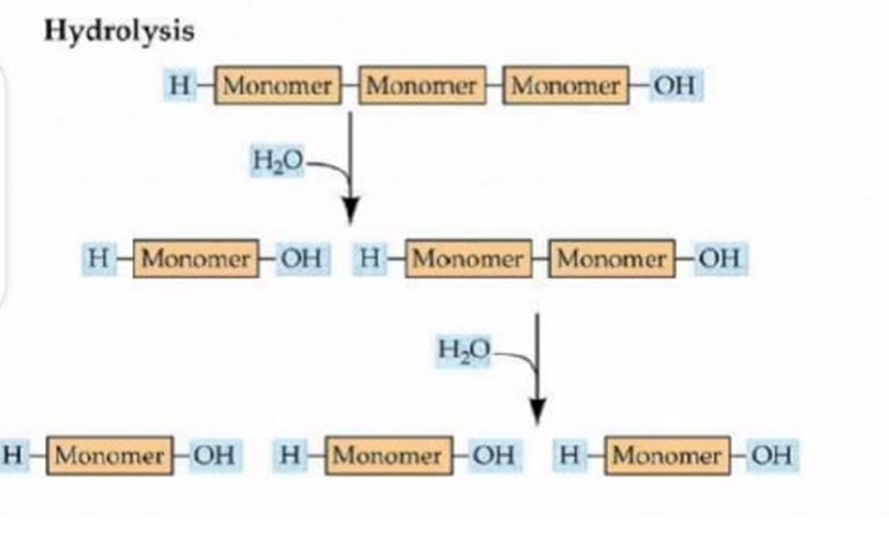
The chemical reaction that uses water to break a covalent bond is called a ________ reaction.
aquatic
hydrolysis
dehydration (or condensation)
hydratic
The Correct Answer is B
A. Aquatic: Aquatic refers to environments or organisms related to water, but it does not describe a chemical process in which bonds are broken.
B. Hydrolysis: Hydrolysis is the reaction where water is used to split covalent bonds, breaking larger molecules into smaller subunits. This process is common in digestion and cellular metabolism.
C. Dehydration (or condensation): Dehydration involves removing water to form covalent bonds between molecules, which is the opposite of hydrolysis and results in larger compounds.
D. Hydratic: Hydratic is not a recognized term in chemistry for describing bond-breaking reactions, and it does not apply to hydrolytic processes.
Nursing Test Bank
Naxlex Comprehensive Predictor Exams
Related Questions
Correct Answer is A
Explanation
A. Protozoa: Protozoa are single-celled eukaryotic organisms that lack a rigid cell wall, allowing them greater flexibility and movement. Instead, they have a cell membrane that provides structural support.
B. Algae: Algae are photosynthetic organisms that typically have cell walls made of cellulose or other polysaccharides, which provide structure and protection.
C. Fungi: Fungi possess cell walls composed mainly of chitin, which gives them rigidity and structural strength, important for their survival.
D. Bacteria: Most bacteria have cell walls, usually made of peptidoglycan, which helps maintain their shape and protects them from osmotic pressure.
Correct Answer is D
Explanation
A. Is found in the outer membrane of Gram-negative bacteria: Lipid A is a component of lipopolysaccharide (LPS) located in the outer membrane of Gram-negative bacteria, playing a key role in their structural integrity.
B. Is considered an endotoxin: Lipid A is the toxic portion of LPS and is classified as an endotoxin. It is released when Gram-negative bacteria die and the cell wall breaks apart.
C. Can cause fever, inflammation, and blood clotting in patients: When released into the host, Lipid A triggers strong immune responses that can lead to fever, shock, inflammation, and disseminated intravascular coagulation (DIC).
D. All of the above: Since Lipid A is a membrane component, functions as an endotoxin, and elicits severe immune reactions in patients, all the listed statements are accurate.
Whether you are a student looking to ace your exams or a practicing nurse seeking to enhance your expertise , our nursing education contents will empower you with the confidence and competence to make a difference in the lives of patients and become a respected leader in the healthcare field.
Visit Naxlex, invest in your future and unlock endless possibilities with our unparalleled nursing education contents today