
Discussed the DASH diet with the client and gave examples of appropriate portion sizes.
Review H and P, nurse's note, and laboratory results.
What other nutritional recommendations would be helpful for this client in reducing the risk for type 2 diabetes? Select all that apply.
Minimize the number of refined grains in the diet
Eliminate sugary beverages and juices from the diet
Increase the amount of dietary fiber
Double the usual amount of protein in the diet
Only select feed items with no fat
Take a cinnamon supplement
Correct Answer : A,B,C
- Minimize the number of refined grains in the diet: Refined grains, such as white bread, white rice, and pasta, have had their bran and germ removed, resulting in a loss of fiber and nutrients. Including more whole grains in the diet, such as whole wheat bread, brown rice, and whole grain pasta, can help maintain stable blood sugar levels and reduce the risk of type 2 diabetes.
- Eliminate sugary beverages and juices from the diet: Sugary beverages, including soda, fruit juices, and sweetened teas, can contribute to weight gain and an increased risk of type 2 diabetes. Encouraging the client to choose water, unsweetened tea, or other sugar-free beverages can help reduce the intake of added sugars.
- Increase the amount of dietary fiber: Fiber-rich foods, such as fruits, vegetables, whole grains, legumes, and nuts, can help regulate blood sugar levels and improve insulin sensitivity. Encouraging the client to include these foods in their diet can be beneficial in reducing the risk of type 2 diabetes.
Incorrect:
D- Double the usual amount of protein in the diet: While protein is an essential nutrient, doubling the usual amount of protein in the diet may not be necessary or appropriate for everyone. It is important to follow individualized dietary recommendations and consult with a healthcare provider or registered dietitian for specific protein needs.
E- Only select food items with no fat: It is not necessary or advisable to eliminate all fat from the diet. Healthy fats, such as those found in avocados, nuts, seeds, and olive oil, are important for overall health. Choosing foods with healthier fats and moderating intake of saturated and trans fats is a more balanced approach to nutrition.
F- Take a cinnamon supplement: While cinnamon has been studied for its potential effects on blood sugar control, it is not a proven or recommended treatment for reducing the risk of type 2 diabetes. It's important to focus on overall dietary patterns and lifestyle factors rather than relying solely on supplements
Nursing Test Bank
Naxlex Comprehensive Predictor Exams
Related Questions
Correct Answer is ["A","E"]
Explanation
A. This is a client care intervention that the PN can assign to the UAP. Transporting a urine culture sample to the laboratory is a routine and non-invasive task that does not require clinical judgment or skill. The UAP should follow the standard precautions and protocols for handling and labeling the specimen.
E. This is a client care intervention that the PN can assign to the UAP. Emptying the bedside drainage unit for a client with an indwelling urinary catheter is a routine and non-invasive task that does not require clinical judgment or skill. The UAP should follow the standard precautions and protocols for emptying, measuring, and recording the urine output.
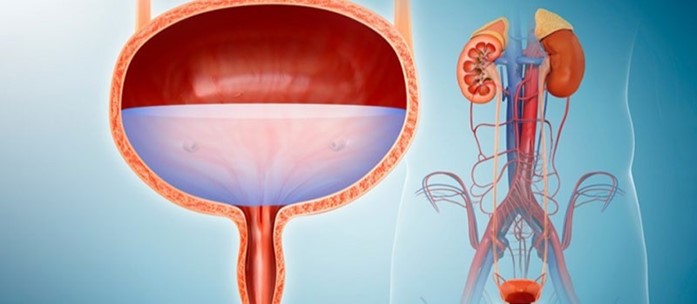
B. This is not a client care intervention that the PN can assign to the UAP. Obtaining a post-voided residual (PVR) volume is a procedure that requires clinical judgment and skill, as it involves using a bladder scanner or catheterizing the client to measure the amount of urine left in the bladder after voiding. The UAP is not trained or authorized to perform this task, and it should be done by the PN or another licensed nurse.
C.This is not a client care intervention that the PN can assign to the UAP. Teaching the client with fluid restrictions how to measure urine output is an educational activity that requires clinical judgment and skill, as it involves assessing the client's learning needs, providing clear and accurate instructions, and evaluating the client's understanding and compliance. The UAP is not trained or authorized to perform this task, and it should be done by the PN or another licensed nurse.
D.This is not a client care intervention that the PN can assign to the UAP. Irrigating an indwelling urinary catheter for a client with bladder suspension is a procedure that requires clinical judgment and skill, as it involves inserting sterile fluid into the bladder through the catheter to flush out any clots, debris, or bacteria. The UAP is not trained or authorized to perform this task, and it should be done by the PN or another licensed nurse.
Correct Answer is A
Explanation
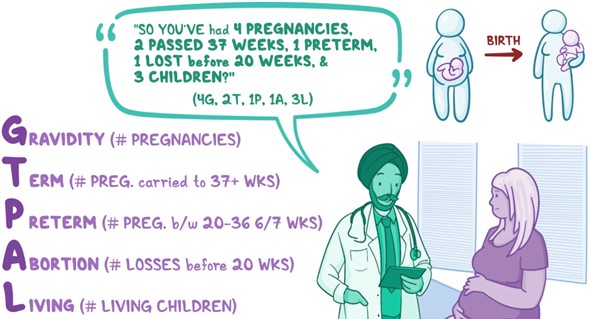
TPAL stands for Term, Premature, Abortion, and Living children, and it is used to document a client's obstetrical history.
In this case, the client has had a total of 5 pregnancies:
- Two pregnancies resulted in full-term (term) births, so the Term value is 2.
- Three pregnancies resulted in miscarriages during the first trimester (abortion), so the Abortion value is 3.
- The client has two living children, so the Living value is 2.
- There is no mention of any premature births, so the Premature value is 0.
Therefore, the appropriate documentation for this client's TPAL is Term 2, Premature 0, Abortion 3, and Living 2.
Whether you are a student looking to ace your exams or a practicing nurse seeking to enhance your expertise , our nursing education contents will empower you with the confidence and competence to make a difference in the lives of patients and become a respected leader in the healthcare field.
Visit Naxlex, invest in your future and unlock endless possibilities with our unparalleled nursing education contents today