
For which of the following clients is a nurse considered a mandated reporter to the appropriate agency?
A client who reports lying to their provider about having suicidal ideation.
A client who reports that they enjoy smoking marijuana on weekends.
A client who reports that they took $20 from the cash register where they work.
A client who reports that their partner ties their child to a bed as punishment.
The Correct Answer is D
Choice A reason:
A client lying about suicidal ideation to their provider does not fall under mandatory reporting unless there is evidence or suspicion of harm to self or others. In this case, the client has reported lying, which indicates there is no actual suicidal ideation or intent.
Choice B reason:
While smoking marijuana may be illegal in some jurisdictions, it does not typically require mandatory reporting by a nurse unless it directly affects patient care or involves minors.
Choice C reason:
Theft from an employer is a legal issue but does not require mandatory reporting by a nurse unless it involves stealing medication or other actions that could harm patients.
Choice D reason:
This choice clearly involves child abuse, which is a reportable offense. Nurses are mandated reporters for any suspected child abuse or neglect. Tying a child to a bed as punishment can cause physical and emotional harm, and it is the nurse's duty to report this to the appropriate agency to ensure the child's safety.
Nursing Test Bank
Naxlex Comprehensive Predictor Exams
Related Questions
Correct Answer is B
Explanation
Choice A reason:
Urinary retention is not commonly associated with citalopram. Citalopram, an SSRI (Selective Serotonin Reuptake Inhibitor), primarily affects serotonin levels in the brain and does not typically impact the urinary system to the extent of causing retention.
Choice B reason:
Decreased libido is a known adverse effect of citalopram. SSRIs, including citalopram, can affect sexual function, leading to decreased libido, difficulty achieving orgasm, or erectile dysfunction. This is due to the increased serotonin levels which can negatively impact the sexual response cycle.
Choice C reason:
While bruising is not a hallmark side effect of citalopram, it can occur, especially if there is an interaction with other medications that affect blood clotting. Citalopram can potentially increase the risk of bleeding, and easy bruising may be a sign of this. However, it is less common than other side effects like sexual dysfunction.
Choice D reason:
Jaundice is not a typical adverse effect of citalopram. Jaundice usually indicates a problem with the liver, and while liver function abnormalities have been reported with citalopram use, they are rare. Monitoring for jaundice is not part of the routine assessment for patients on citalopram unless there is a pre-existing liver condition or concurrent use of other hepatotoxic drugs.
Correct Answer is A
Explanation
Choice A reason:
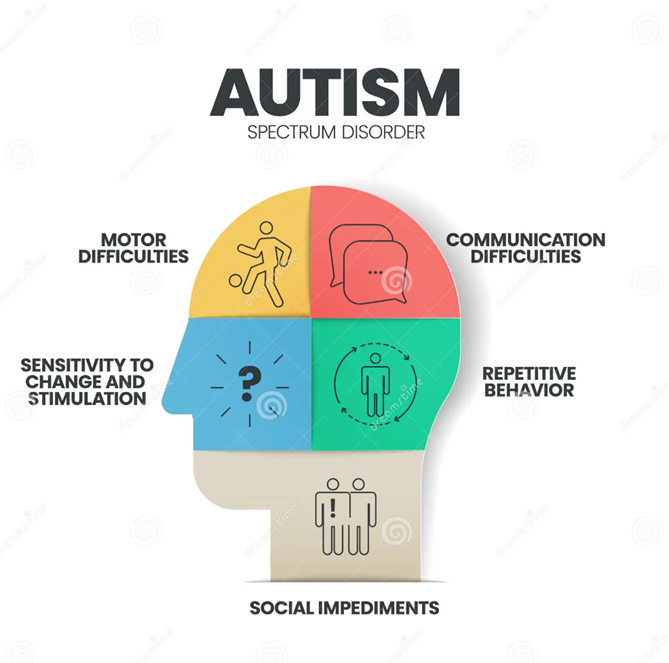
For an adolescent with autism spectrum disorder, initiating social interactions can be a significant challenge due to difficulties in communication and social skills. Including an outcome that focuses on initiating interactions with caregivers is appropriate as it targets a key area of development. This goal is realistic and measurable, and progress can be facilitated through various therapeutic interventions, such as social skills training and behavioral therapy.
Choice B reason:
Acknowledging delusions is not typically associated with autism spectrum disorder. Delusions are more commonly related to other mental health conditions, such as schizophrenia. Autism spectrum disorder primarily involves challenges with social communication and interaction, repetitive behaviors, and restricted interests.
Choice C reason:
Changing behavior due to peer pressure is not a specific or appropriate outcome for an adolescent with autism spectrum disorder. The focus should be on developing individual skills and coping mechanisms that are independent of peer influence. Additionally, individuals with autism may not respond to peer pressure in the same way as their neurotypical peers.
Choice D reason:
Meeting one's own needs without manipulating others is a broad outcome that may not directly address the specific needs of an adolescent with autism spectrum disorder. While it is important for all individuals to develop autonomy, this outcome does not target the core areas affected by autism, such as social communication and interaction.
Whether you are a student looking to ace your exams or a practicing nurse seeking to enhance your expertise , our nursing education contents will empower you with the confidence and competence to make a difference in the lives of patients and become a respected leader in the healthcare field.
Visit Naxlex, invest in your future and unlock endless possibilities with our unparalleled nursing education contents today