
If a patient requests more information on therapies that involve the manipulation of the body's energy fields, which method should the nurse discuss? (Select all that apply)
Therapeutic Touch
Traditional Chinese Medicine
Reiki
Dietary analysis
Qi Gong
Correct Answer : A,B,E
Choice A reason: Therapeutic Touch is a biofield therapy where the practitioner moves their hands over the patient's body without necessarily making physical contact. The goal is to detect and balance the patient's energy field to promote healing and reduce anxiety, directly aligning with the patient's request for energy-based modalities.
Choice B reason: Traditional Chinese Medicine is a comprehensive medical system that includes many practices such as herbal medicine and massage. While it incorporates the concept of "Qi" or vital energy, as a whole system, it is too broad to be classified solely as an energy field manipulation therapy.
Choice C reason: Reiki is a Japanese technique for stress reduction and relaxation that also promotes healing. It is based on the idea that an unseen "life force energy" flows through us. Practitioners act as a conduit for this energy, transferring it to the patient to improve energy field balance.
Choice D reason: Dietary analysis involves the scientific evaluation of nutritional intake, caloric balance, and micronutrient status. This is a biochemical and physiological intervention focused on metabolic health and does not involve the manipulation of subtle energy fields or "biofields" as defined in integrative medicine.
Choice E reason: Qi Gong is a traditional Chinese practice involving coordinated body postures, movement, meditation, and breathing. It is specifically designed to cultivate and balance "Qi" (vital energy). It is considered an internal energy therapy where the individual manipulates their own energy field through specific physical and mental exercises.
Nursing Test Bank
Naxlex Comprehensive Predictor Exams
Related Questions
Correct Answer is D
Explanation
Choice A reason: While tardive dyskinesia is a serious concern with many antipsychotics, clozapine is actually associated with a very low risk of this condition. In fact, clozapine is often used as a treatment strategy for patients who have already developed severe tardive dyskinesia from other neuroleptic medications.
Choice B reason: Clozapine has a unique pharmacological profile with low D2 receptor occupancy in the striatum, making extrapyramidal symptoms like tremors or rigidity highly unlikely. It is specifically chosen for patients who are treatment-resistant or highly sensitive to the motor side effects caused by other typical or atypical antipsychotics.
Choice C reason: Serotonin syndrome is a toxic state caused by excessive serotonergic activity, usually resulting from interactions between SSRIs, SNRIs, or MAOIs. While clozapine affects various neurotransmitter systems, it is not primarily associated with the development of serotonin syndrome, which presents with hyperreflexia, clonus, and autonomic instability.
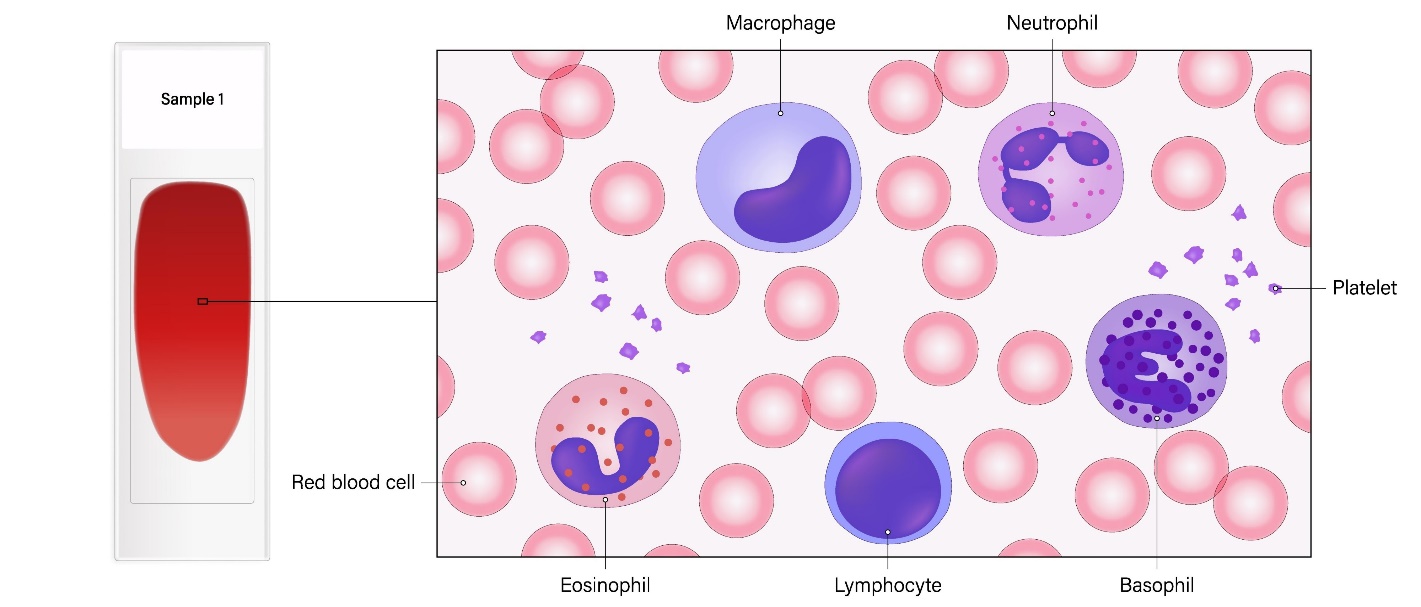
Choice D reason: Agranulocytosis is a life-threatening reduction in the white blood cell count (specifically neutrophils) that can occur in patients taking clozapine. This requires strict mandatory blood monitoring of the Absolute Neutrophil Count (ANC) to prevent severe sepsis or death, making it the most critical safety priority for the nurse.
Correct Answer is B
Explanation
Choice A reason: Acute dystonia involves sudden, involuntary muscle contractions often resulting in abnormal posturing, such as torticollis or oculogyric crisis. While it involves muscle tension, it is typically more spasmodic and localized than the generalized rigidity and slowed movements that characterize the parkinsonian-like side effects seen during routine therapy check-ups.
Choice B reason: Pseudoparkinsonism is induced by the blockade of dopamine D2 receptors in the nigrostriatal pathway, mimicking the symptoms of Parkinson's disease. This manifests as generalized muscle rigidity, a shuffling gait, tremors, and bradykinesia. It is a common subacute reaction that develops within days to weeks of starting an antipsychotic.
Choice C reason: Tardive dyskinesia is characterized by hyperkinetic movements rather than rigidity. It usually develops after months or years of neuroleptic use. The pathophysiology involves dopamine receptor supersensitivity, leading to uncontrollable movements like lip smacking, which is the functional opposite of the stiff, rigid muscles described in this specific clinical scenario.
Choice D reason: Akathisia presents as a profound sense of restlessness and an inability to sit still. Patients often describe feeling like they are "jumping out of their skin." This condition is characterized by excessive motor activity and subjective agitation rather than the physical stiffness or rigidity found in pseudoparkinsonism.
Whether you are a student looking to ace your exams or a practicing nurse seeking to enhance your expertise , our nursing education contents will empower you with the confidence and competence to make a difference in the lives of patients and become a respected leader in the healthcare field.
Visit Naxlex, invest in your future and unlock endless possibilities with our unparalleled nursing education contents today